特惠-27考研
早鸟-28考研课
双证硕士:在线咨询
免联考-同等学力
在职研:1对1答疑
新东方考研Ai择校
考研英语水平测试
计算机考研:择校备考包
法硕:择校备考大礼包
保研-路线图
必备:考研招简大合集
考研备考:重点复习资料
27考研-新大纲对比

扫码加入训练营
牢记核心词
学习得礼盒
SAMPLE 12
[生物学类]
Flatfish, such as the flounder, are among the few vertebrates that lack approximate bilateral symmetry (symmetry in which structures to the left and right of the body’s midline are mirror images). Most striking among the many asymmetries evident in an adult flatfish is eye placement: before maturity one eye migrates, so that in an adult flatfish both eyes are on the same side of the head. While in most species with asymmetries virtually all adults share the same asymmetry, members of the starry flounder species can be either left-eyed (both eyes on the left side of head) or right-eyed. In the waters between the United States and Japan, the starry flounder populations vary from about 50 percent left-eyed off the United States West Coast, through about 70 percent left-eyed halfway between the United States and Japan, to nearly 100 percent left-eyed off the Japanese coast.
Biologists call this kind of gradual variation over a certain geographic range a “cline” and interpret clines as strong indications that the variation is adaptive, a response to environmental differences. For the starry flounder this interpretation implies that a geometric difference (between fish that are mirror images of one another) is adaptive, that left-eyedness in the Japanese starry flounder has been selected for, which provokes a perplexing question: what is the selective advantage in having both eyes on one side rather than on the other?
The ease with which a fish can reverse the effect of the sidedness of its eye asymmetry simply by turning around has caused biologists to study internal anatomy, especially the optic nerves, for the answer. In all flatfish the optic nerves cross, so that the right optic nerve is joined to the brain’s left side and vice versa. This crossing introduces an asymmetry, as one optic nerve must cross above or below the other. G. H. Parker reasoned that if, for example, a flatfish’s left eye migrated when the right optic nerve was on top, there would be a twisting of nerves, which might be mechanically disadvantageous. For starry flounders, then, the left-eyed variety would be selected against, since in a starry flounder the left optic nerve is uppermost.
The problem with the above explanation is that the Japanese starry flounder population is almost exclusively left-eyed, and natural selection never promotes a purely less advantageous variation. As other explanations proved equally untenable, biologists concluded that there is no important adaptive difference between left-eyedness and right-eyedness, and that the two characteristics are genetically associated with some other adaptively significant characteristic. This situation is one commonly encountered by evolutionary biologists, who must often decide whether a characteristic is adaptive or selectively neutral. As for the left-eyed and right-eyed flatfish, their difference, however striking, appears to be an evolutionary red herring.
1. According to the text, starry flounder differ form most other species of flatfish in that starry flounder
[A] are not basically bilaterally symmetric.
[B] do not become asymmetric until adulthood.
[C] do not all share the same asymmetry.
[D] have both eyes on the same side of the head.
2. Which of the following best describes the organization of the text as a whole?
[A] A phenomenon is described and an interpretation presented and rejected.
[B] A generalization is made and supporting evidence is supplied and weighed.
[C] A contradiction is noted and a resolution is suggested and then modified.
[D] A series of observations is presented and explained in terms of the dominant theory.
3. The text supplies information for answering which of the following questions?
[A] Why are Japanese starry flounder mostly left-eyed?
[B] Why should the eye-sidedness in starry flounder be considered selectively neutral?
[C] Why have biologists recently become interested in whether a characteristic is adaptive or selectively neutral?
[D] How do the eyes in flatfish migrate?
4. Which of the following is most clearly similar to a cline as it is described in the second paragraph of the text?
[A] A vegetable market in which the various items are grouped according to place of origin.
[B] A wheat field in which different varieties of wheat are planted to yield a crop that will bring the maximum profit.
[C] A flower stall in which the various species of flowers are arranged according to their price.
[D] A housing development in which the length of the front struts supporting the porch of each house increases as houses are built up the hill.
5. Which of the following phrases from the text best expresses the author’s conclusion about the meaning of the difference between left-eyed and right-eyed flatfish?
[A] “Most striking” (line 3, paragraph 1)
[B] “variation is adaptive” (line 2, paragraph 2)
[C] “mechanically disadvantageous” (line 7, paragraph 3)
[D] “evolutionary red herring” (line 9, paragraph 4)

【英语阅读资料】这里有↑↑↑

 资料下载
资料下载
2014年-2025年考研历年真题汇总
发布时间:2024-04-25扫码添加【考研班主任】
即可领取资料包
考研大纲PDF电子版下载-历年(附解析)
发布时间:2024-04-25扫码添加【考研班主任】
即可领取资料包
2026年考研政数英备考资料zip压缩包
发布时间:2024-04-25扫码添加【考研班主任】
即可领取资料包
考研英语大纲词汇5500打印版(基础必备)
发布时间:2024-04-25扫码添加【考研班主任】
即可领取资料包
新东方在线考试模拟题【12套】
发布时间:2024-04-25扫码添加【考研班主任】
即可领取资料包
2026年考研专业课知识点总结
发布时间:2024-04-25扫码添加【考研班主任】
即可领取资料包
新东方考研资料下载地址
发布时间:2023-05-17新东方在线考研资料合集
下载方式:微信扫码,获取网盘链接

目录:
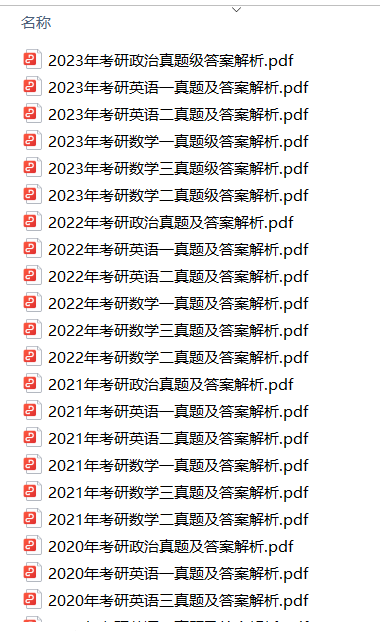
1.2013-2023年近10年政数英真题及解析PDF版(新东方)
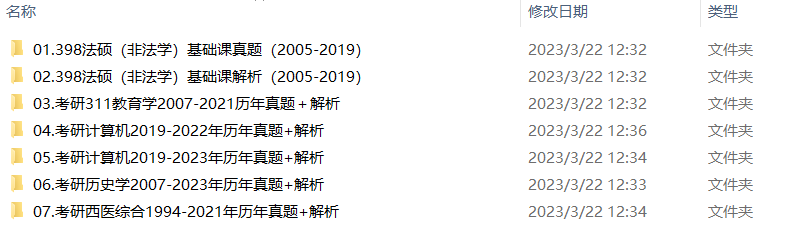
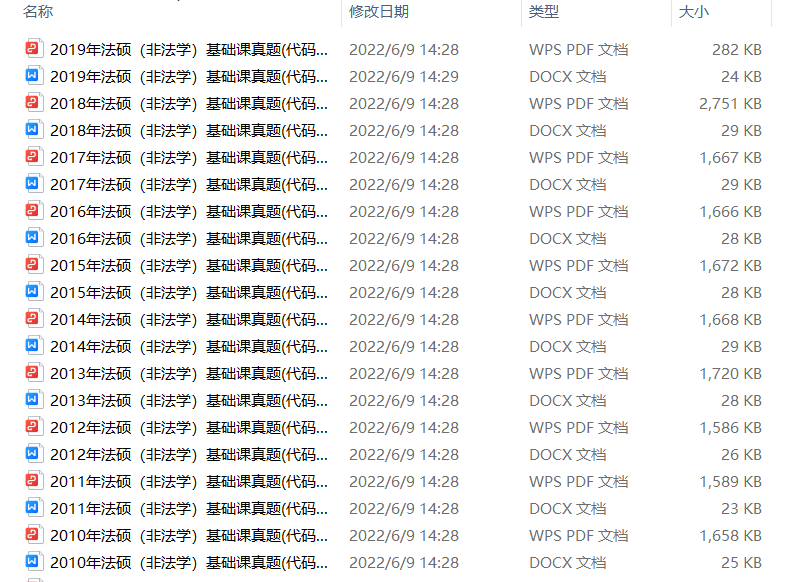
2.2013-2023年专业课考试历年真题及解析PDF版
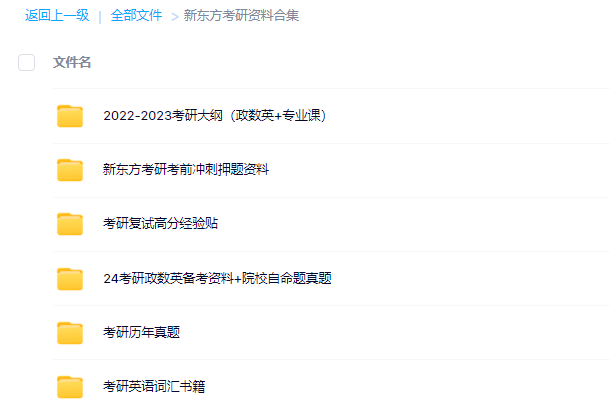
3.24考研复习备考资料大合集:大纲+备考资料+词汇书+考前押题+自命题
资料介绍:
1.2013-2023年近10年政数英真题及解析PDF版(新东方)
 、
、
2.2013-2023年专业课考试历年真题及解析PDF版
3.24考研复习备考资料大合集
3.24考研复习备考资料:考研大纲
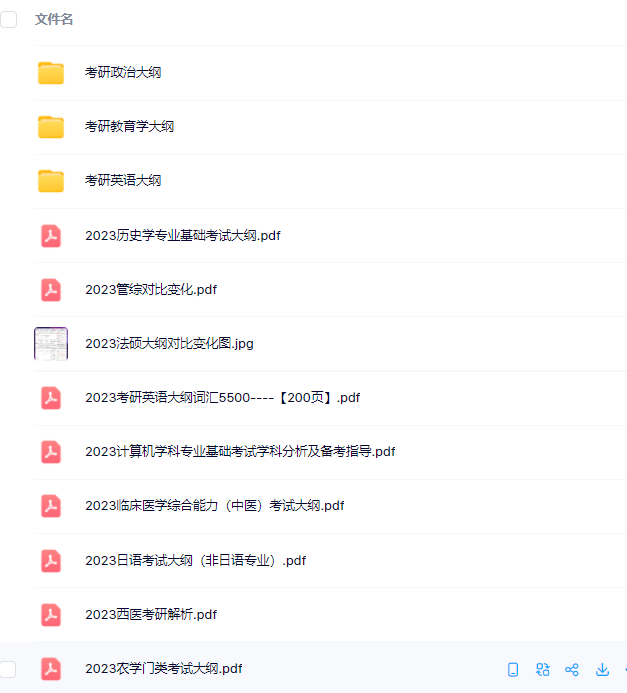
3.24考研复习备考资料:政数英备考资料+自命题真题
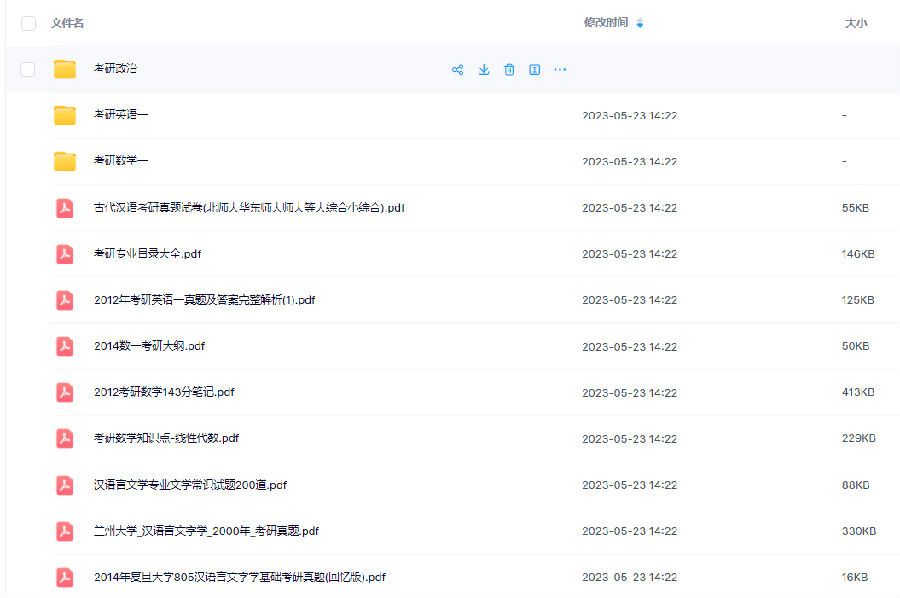
------------------
考研备考过程中,尤其是专业课部分,参考往年的考试真题,对于我们的复习有更好的帮助。北京大学考研真题资料都有哪些?小编为大家进行了汇总。

北京大学考研真题资料-公共课
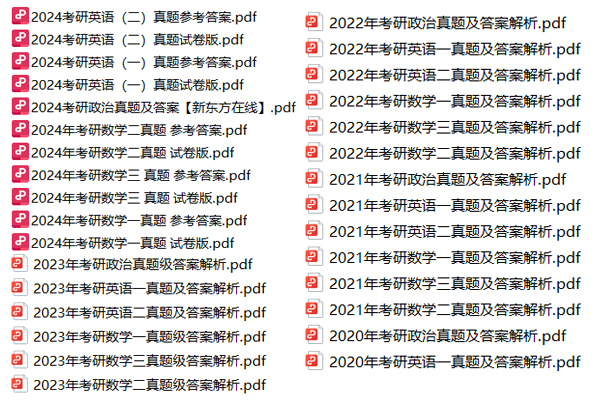
北京大学考研真题资料-专业课
以上就是关于“北京大学考研真题资料下载(历年汇总)”的整理,更多考研资料下载,请关注微信获取下载地址。
2024考研公共课必背知识点汇总
发布时间:2023-01-03扫码添加【考研班主任】
即可领取资料包
2013-2023考研历年真题汇总
发布时间:2023-01-03扫码添加【考研班主任】
即可领取资料包
考研英语大纲词汇(PDF可打印)
发布时间:2023-01-03扫码添加【考研班主任】
即可领取资料包
2024考研专业课知识点总结
发布时间:2023-01-03扫码添加【考研班主任】
即可领取资料包
2023考研政治 内部押题 PDF
发布时间:2022-11-16扫码添加【考研班主任】
即可领取资料包
徐涛:23考研预测六套卷
发布时间:2022-11-16扫码添加【考研班主任】
即可领取资料包
考研政数英冲刺资料最新整理
发布时间:2022-11-16扫码添加【考研班主任】
即可领取资料包
23考研答题卡模板打印版
发布时间:2022-11-16扫码添加【考研班主任】
即可领取资料包
2023考研大纲词汇5500PDF电子版
发布时间:2022-07-28扫码添加【考研班主任】
即可领取资料包
考研历年真题(公共课+专业课)
发布时间:2022-07-28扫码添加【考研班主任】
即可领取资料包
考研英语阅读100篇附解析及答案
发布时间:2022-01-07扫码添加【考研班主任】
即可领取资料包
新东方考研学霸笔记整理(打印版)
发布时间:2022-01-07扫码添加【考研班主任】
即可领取资料包
2001-2021年考研英语真题答案(可打印版)
发布时间:2022-01-07扫码添加【考研班主任】
即可领取资料包
考研英语词汇5500(完整版下载)
发布时间:2022-01-07扫码添加【考研班主任】
即可领取资料包
2022考研政审表模板精选10套
发布时间:2022-01-07扫码添加【考研班主任】
即可领取资料包
历年考研真题及答案 下载
发布时间:2021-12-09扫码添加【考研班主任】
即可领取资料包
考研政审表模板汇总
发布时间:2020-06-17扫码添加【考研班主任】
即可领取资料包
近5年考研英语真题汇总
发布时间:2020-06-17扫码添加【考研班主任】
即可领取资料包
考研英语大纲词汇5500
发布时间:2020-06-17扫码添加【考研班主任】
即可领取资料包
2022考研12大学科专业排名汇总
发布时间:2019-11-21扫码添加【考研班主任】
即可领取资料包
2023考研政治复习备考资料【珍藏版】
发布时间:2019-11-21扫码添加【考研班主任】
即可领取资料包
考研英语万能模板+必备词汇+范文
发布时间:2019-11-21扫码添加【考研班主任】
即可领取资料包
考研数学一、二、三历年真题整理
发布时间:2019-11-21扫码添加【考研班主任】
即可领取资料包

添加班主任领资料
添加考研班主任
免费领取考研历年真题等复习干货资料

 推荐阅读
推荐阅读
为了让考研的同学更高效地复习考研英语,新东方在线考研频道整理了“考研英语1阅读错几个后的复习计划”,考研的同学可以了解一下,希望对大家有所帮助。
为了让考研的同学更高效地复习考研英语,新东方在线考研频道整理了“考研英语二阅读篇数及题型分析”,考研的同学可以了解一下,希望对大家有所帮助。
为了让考研的同学更高效地复习考研英语,新东方在线考研频道整理了“考研英语阅读理解的总结与反思”,考研的同学可以了解一下,希望对大家有所帮助。
来源 : 网络 2025-06-13 08:02:00 关键字 : 考研英语阅读理解
为了让考研的同学更高效地复习考研英语,新东方在线考研频道整理了“提高考研英语一阅读理解的五大策略”,考研的同学可以了解一下,希望对大家有所帮助。
为了让考研的同学更高效地复习考研英语,新东方在线考研频道整理了“探索考研英语阅读文章的逻辑结构”,考研的同学可以了解一下,希望对大家有所帮助。
来源 : 网络 2025-06-12 08:03:00 关键字 : 考研英语阅读
资料下载
扫码添加【考研班主任】
即可领取资料包
扫码添加【考研班主任】
即可领取资料包
扫码添加【考研班主任】
即可领取资料包
扫码添加【考研班主任】
即可领取资料包
扫码添加【考研班主任】
即可领取资料包
扫码添加【考研班主任】
即可领取资料包
新东方在线考研资料合集
下载方式:微信扫码,获取网盘链接
目录:
1.2013-2023年近10年政数英真题及解析PDF版(新东方)
2.2013-2023年专业课考试历年真题及解析PDF版
3.24考研复习备考资料大合集:大纲+备考资料+词汇书+考前押题+自命题
资料介绍:
1.2013-2023年近10年政数英真题及解析PDF版(新东方)
、
2.2013-2023年专业课考试历年真题及解析PDF版
3.24考研复习备考资料大合集
3.24考研复习备考资料:考研大纲
3.24考研复习备考资料:政数英备考资料+自命题真题
------------------
考研备考过程中,尤其是专业课部分,参考往年的考试真题,对于我们的复习有更好的帮助。北京大学考研真题资料都有哪些?小编为大家进行了汇总。
北京大学考研真题资料-公共课
北京大学考研真题资料-专业课
以上就是关于“北京大学考研真题资料下载(历年汇总)”的整理,更多考研资料下载,请关注微信获取下载地址。
扫码添加【考研班主任】
即可领取资料包
扫码添加【考研班主任】
即可领取资料包
扫码添加【考研班主任】
即可领取资料包
扫码添加【考研班主任】
即可领取资料包
扫码添加【考研班主任】
即可领取资料包
扫码添加【考研班主任】
即可领取资料包
扫码添加【考研班主任】
即可领取资料包
扫码添加【考研班主任】
即可领取资料包
扫码添加【考研班主任】
即可领取资料包
扫码添加【考研班主任】
即可领取资料包
扫码添加【考研班主任】
即可领取资料包
扫码添加【考研班主任】
即可领取资料包
扫码添加【考研班主任】
即可领取资料包
扫码添加【考研班主任】
即可领取资料包
扫码添加【考研班主任】
即可领取资料包
扫码添加【考研班主任】
即可领取资料包
扫码添加【考研班主任】
即可领取资料包
扫码添加【考研班主任】
即可领取资料包
扫码添加【考研班主任】
即可领取资料包
扫码添加【考研班主任】
即可领取资料包
扫码添加【考研班主任】
即可领取资料包
扫码添加【考研班主任】
即可领取资料包
扫码添加【考研班主任】
即可领取资料包
 阅读排行榜
阅读排行榜
 相关内容
相关内容



 公开课
公开课 网友热搜
网友热搜