特惠-26考研冲刺
特惠-27考研课
双证-在职硕士
免联考-同等学力
复试分数线
26复试全面指导
模拟复试面试
26考研-全套真题
26考研估分
保研-路线图
27考研-智能择校
27考研-英语测评
27考研-新大纲对比
热门-计算机择校
扫码加入训练营
牢记核心词
学习得礼盒
老师在批改学生作文时,普遍有一种感觉:学生的作文大多用词简单、结构松散,从语体角度分析,正式程度都较低,呈口语化的倾向。正式文体与非正式文体的区别表现在用词、语法上。为了更好地说明这两种文体在语言特征上的区别,下面特意选择了考生大作文中普遍存在的非正式用语,并给出相应的正式用语进行比较。
两种文体在语言特征上的主要差异首先表现在用词上,体现在以下几个方面:
1. 正式文体常使用正式用语,非正式文体则常使用非正式用语,这两类不同的用语是在长期的使用过程中被约定俗成地固定下来的。比如以下非正式用语一栏中的词汇在考生大作文中普遍存在,可修改为右栏正式用语中的表达:
非正式用语 正式用语
crimeoffense
peopleindividuals
cut downreduce
serioussevere/grave
harmdamage(or destroy/undermine/jeopardise)
jobposition
具体而言,源于法语、拉丁语、希腊语的词语多用于正式文体;源于古英语的词语则多用于非正式文体。试比较:
We should investigate the root cause of the problem.
We should look into the root cause of the problem.
Investigate源于拉丁语,属正式文体用语,而look into是古英语词汇成分,属非正式文体用语。
2. 现代英语中的缩略词及缩约词多用于非正式文体,其相应的非缩略或非缩约形式则常出现在正式文体中。很多考生都忽略了这一区别,以下非正式用语栏中的表达都是从考生大作文中选出的,可修改为右栏正式用语中的表达。
缩略词 正式用语 缩约词 正式用语
adadvertisementshouldn’tshould not
phonetelephonewon’twill not
TVtelevisionthere’sthere is
e.g.for exampledon’tdo not
papernewspaperI’veI have
PCpersonal computerthey’rethey are
3. 很多考生使用了很多短语动词,而这正是非正式文体的一大特征,正式文体则常用与之同义的单个动词。试比较:
Informl: People can’t put up with the alienation brought by the Internet.
Formal: Individuals cannot tolerate the alienation brought by the Internet.
Informal: In this day and age, many people can make use of the Internet via computers or mobile phones.
Formal: In this day and age, many individuals can utilise the Internet via computers or mobile phones.
两种文体在语言特征上的第二类主要差异体现在语法上,具体包括以下几个方面:
1. 在构成比较句型时,很多考生选择使用了人称代词的宾格形式,其实使用人称代词的主格形式要显得更正式些。
Informal: He spent more time playing computer games than me.
Formal: He spent more time playing computer games than I.
2. 在表达“让步”概念时,很多考生选择使用的but, anyway, all the same, though, although等为非正式文体常用词语表达。正式文体则常使用yet, however, nevertheless, in spite of (despite), notwithstanding等词语,
Informal: He tried to overcome his addiction to the Internet, but he failed.
Formal: He endeavoured to overcome his addiction to the Internet; however, it turned out to be a failure.
3. 在构成“方式状语”时,很多考生偏爱使用副词,而这正是非正式文体常用的表达方式,正式文体则常用介词和与该副词同根的词构成的介词短语:
Informal: It’s very important to….
Formal: It is of great importance to….
4. 在表达“原因”、“后果”等概念时,很多考生由于水平所限,总是使用非正式文体常用的so, because或其他形式的表示原因的从句,正式文体则常用 on account of, accordingly, thus, hence, consequently, owing to (the fact that…)等词或词组,且比较经常地运用分词短语、独立主格结构等。
Informal: Since computers had proliferated, many people become addicted to the Internet.
Formal: Computers having proliferated, many people become addicted to the Internet.
5. 在构成表示“目的”的状语时,很多考生使用具有非正式文体色彩的so as to;其实,用in order that引导的目的状语从句常出现于正式文体中:
Informal: We should do more outdoor activities so as to enrich our life.
Formal: We should do more outdoor activities in order that our life gets enriched.
6. 很多考生不会使用由引导词it引导的句子(如it is said that…),实际上,这一结构多见于正式文体,不用这一结构而表达同一意义的句子多见于非正式文体:
Informal: The number of students in the classroom has been going down.
Formal: It has been noted with concern that the number of students attending class has been declining alarmingly.
在职攻硕热点推荐:
2012在职攻硕报考专题2012年在职研究生辅导班热招
2012年在职研究生辅导专题2012全国联考考试科目及时间安排
7. 很多考生省略关系代词、连词、介词,这些情况多见于非正式文体。
Informal: He flunked many courses. He had been expelled from the college.
Formal: He flunked so many courses that he had been expelled from the college.
Informal: He dealt with the problem the way his classmates does.
Formal: He dealt with the problem in the way his classmates does.
Informal: We should prevent it going from bad to worse.
Formal: We should prevent it from going from bad to worse.
8. 在表达“请求某人做某事时”,很多考生选择使用具有非正式文体色彩的主动语态句式,而没有使用具有正式文体色彩的被动语态句式。
Informal: Please communicate more with your friends and family.
Formal: More communication with your friends and family is needed.
9. 很多考生未能正确使用某些不定代词、动名词的复合结构,不太注意句子的主谓一致,未能体现文章的正式文体风格。
Informal: Everybody should look after themselves.
Formal: Everybody should look after himself.
Informal: Everyone should do their best.
Formal: Everyone should do his best.
Informal: I’m not surprised at him failing the course.Formal: I am not surprised at his failing the course.

【工程管理硕士】资料这里有↑↑↑
本文关键字: 2015年工程管理联考 2015考研 考研英语
 资料下载
资料下载
2014年-2025年考研历年真题汇总
发布时间:2024-04-25扫码添加【考研班主任】
即可领取资料包
考研大纲PDF电子版下载-历年(附解析)
发布时间:2024-04-25扫码添加【考研班主任】
即可领取资料包
2026年考研政数英备考资料zip压缩包
发布时间:2024-04-25扫码添加【考研班主任】
即可领取资料包
考研英语大纲词汇5500打印版(基础必备)
发布时间:2024-04-25扫码添加【考研班主任】
即可领取资料包
新东方在线考试模拟题【12套】
发布时间:2024-04-25扫码添加【考研班主任】
即可领取资料包
2026年考研专业课知识点总结
发布时间:2024-04-25扫码添加【考研班主任】
即可领取资料包
新东方考研资料下载地址
发布时间:2023-05-17新东方在线考研资料合集
下载方式:微信扫码,获取网盘链接
目录:
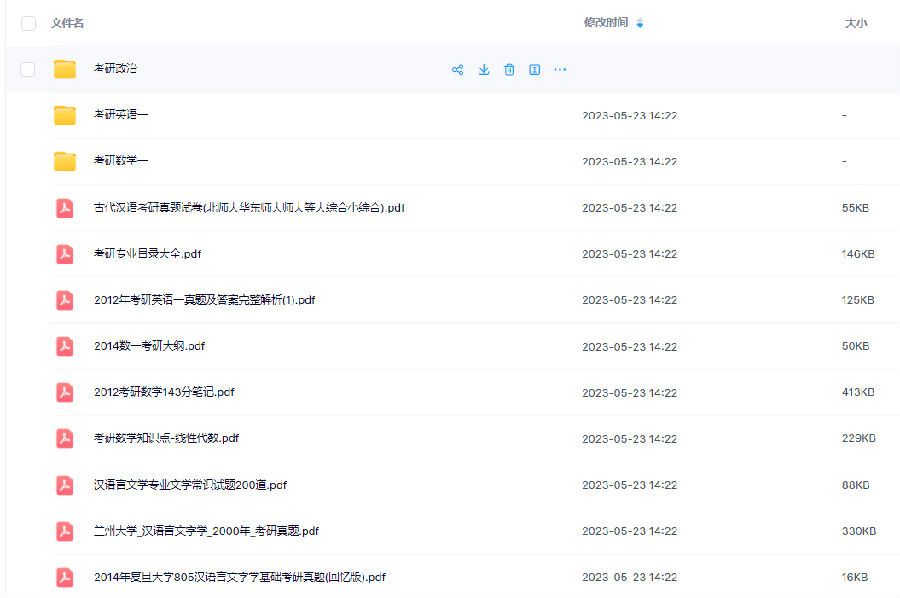
1.2013-2023年近10年政数英真题及解析PDF版(新东方)
2.2013-2023年专业课考试历年真题及解析PDF版
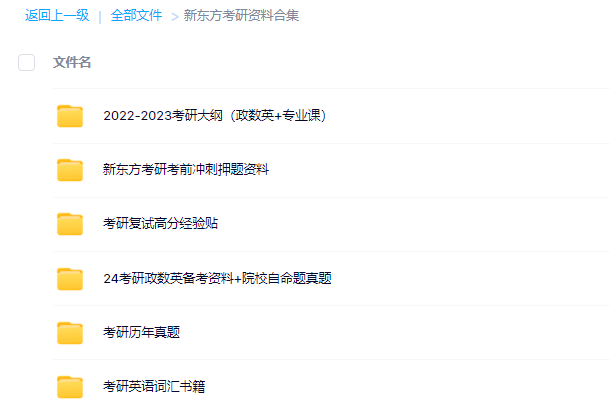
3.24考研复习备考资料大合集:大纲+备考资料+词汇书+考前押题+自命题
资料介绍:
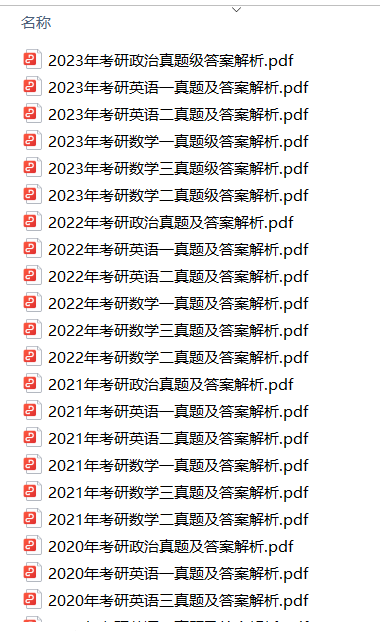
1.2013-2023年近10年政数英真题及解析PDF版(新东方)
 、
、
2.2013-2023年专业课考试历年真题及解析PDF版
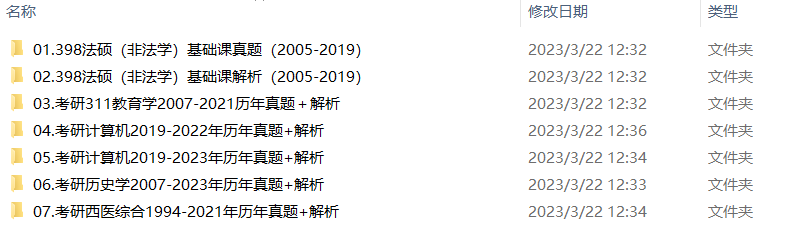
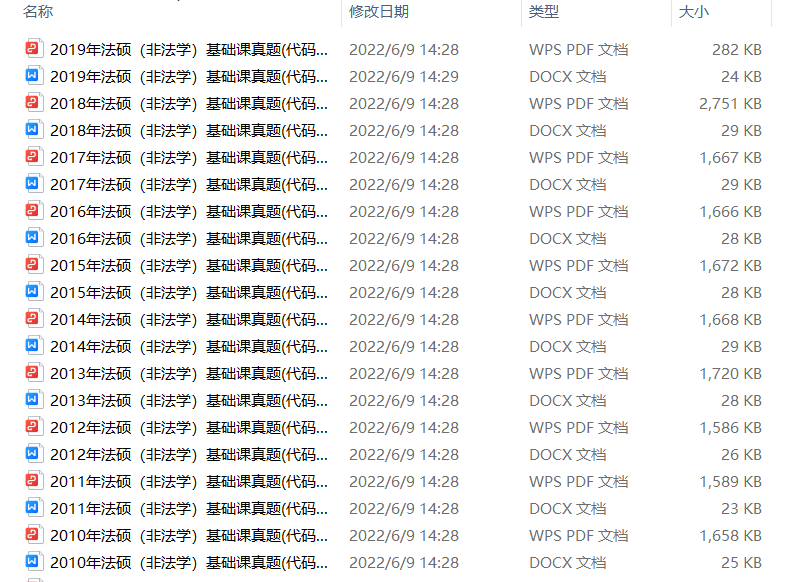
3.24考研复习备考资料大合集
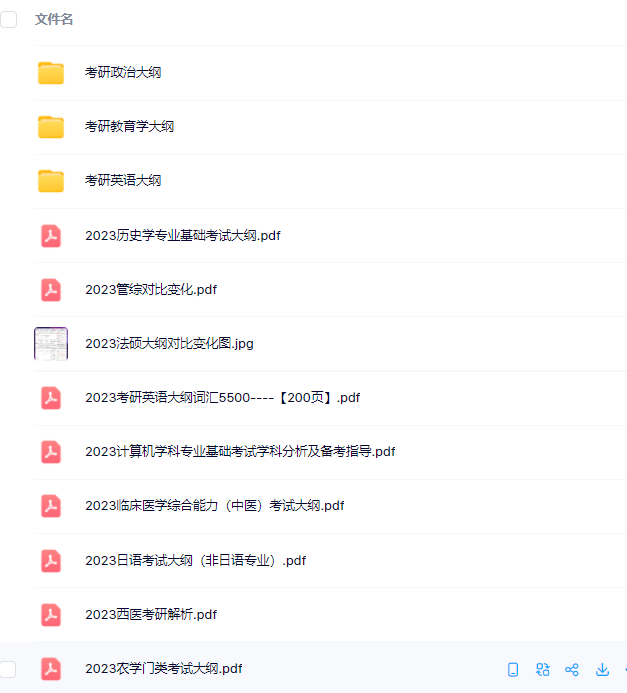
3.24考研复习备考资料:考研大纲
3.24考研复习备考资料:政数英备考资料+自命题真题
------------------
考研备考过程中,尤其是专业课部分,参考往年的考试真题,对于我们的复习有更好的帮助。北京大学考研真题资料都有哪些?小编为大家进行了汇总。

北京大学考研真题资料-公共课
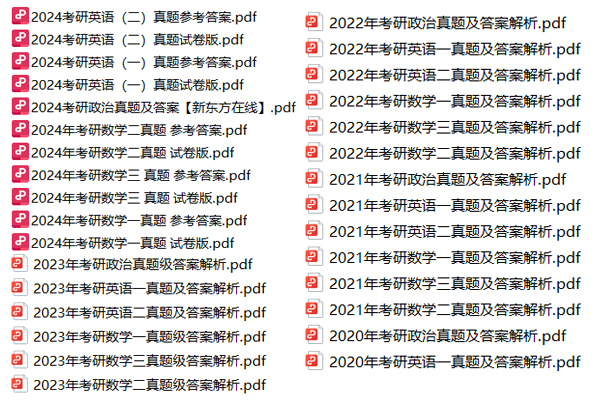
北京大学考研真题资料-专业课
以上就是关于“北京大学考研真题资料下载(历年汇总)”的整理,更多考研资料下载,请关注微信获取下载地址。
2024考研公共课必背知识点汇总
发布时间:2023-01-03扫码添加【考研班主任】
即可领取资料包
2013-2023考研历年真题汇总
发布时间:2023-01-03扫码添加【考研班主任】
即可领取资料包
考研英语大纲词汇(PDF可打印)
发布时间:2023-01-03扫码添加【考研班主任】
即可领取资料包
2024考研专业课知识点总结
发布时间:2023-01-03扫码添加【考研班主任】
即可领取资料包
2023考研政治 内部押题 PDF
发布时间:2022-11-16扫码添加【考研班主任】
即可领取资料包
徐涛:23考研预测六套卷
发布时间:2022-11-16扫码添加【考研班主任】
即可领取资料包
考研政数英冲刺资料最新整理
发布时间:2022-11-16扫码添加【考研班主任】
即可领取资料包
23考研答题卡模板打印版
发布时间:2022-11-16扫码添加【考研班主任】
即可领取资料包
2023考研大纲词汇5500PDF电子版
发布时间:2022-07-28扫码添加【考研班主任】
即可领取资料包
考研历年真题(公共课+专业课)
发布时间:2022-07-28扫码添加【考研班主任】
即可领取资料包
考研英语阅读100篇附解析及答案
发布时间:2022-01-07扫码添加【考研班主任】
即可领取资料包
新东方考研学霸笔记整理(打印版)
发布时间:2022-01-07扫码添加【考研班主任】
即可领取资料包
2001-2021年考研英语真题答案(可打印版)
发布时间:2022-01-07扫码添加【考研班主任】
即可领取资料包
考研英语词汇5500(完整版下载)
发布时间:2022-01-07扫码添加【考研班主任】
即可领取资料包
2022考研政审表模板精选10套
发布时间:2022-01-07扫码添加【考研班主任】
即可领取资料包
历年考研真题及答案 下载
发布时间:2021-12-09扫码添加【考研班主任】
即可领取资料包
考研政审表模板汇总
发布时间:2020-06-17扫码添加【考研班主任】
即可领取资料包
近5年考研英语真题汇总
发布时间:2020-06-17扫码添加【考研班主任】
即可领取资料包
考研英语大纲词汇5500
发布时间:2020-06-17扫码添加【考研班主任】
即可领取资料包
2022考研12大学科专业排名汇总
发布时间:2019-11-21扫码添加【考研班主任】
即可领取资料包
2023考研政治复习备考资料【珍藏版】
发布时间:2019-11-21扫码添加【考研班主任】
即可领取资料包
考研英语万能模板+必备词汇+范文
发布时间:2019-11-21扫码添加【考研班主任】
即可领取资料包
考研数学一、二、三历年真题整理
发布时间:2019-11-21扫码添加【考研班主任】
即可领取资料包

添加班主任领资料
添加考研班主任
免费领取考研历年真题等复习干货资料
 推荐阅读
推荐阅读
工程管理硕士(MEM),是一种专为工程技术人员和希望在工程管理领域有所发展的专业人士设计的高层次学位。想要报考MEM专业的同学,大家在
来源 : 网络 2025-06-23 08:23:00 关键字 : 工程管理硕士
工程管理硕士(MEM),是一种专为工程技术人员和希望在工程管理领域有所发展的专业人士设计的高层次学位。想要报考MEM专业的同学,大家在
来源 : 网络 2025-06-23 08:23:00 关键字 : 工程管理硕士
工程管理硕士(MEM),是一种专为工程技术人员和希望在工程管理领域有所发展的专业人士设计的高层次学位。想要报考MEM专业的同学,大家在
来源 : 网络 2025-06-20 08:23:00 关键字 : 工程管理硕士
工程管理硕士(MEM),是一种专为工程技术人员和希望在工程管理领域有所发展的专业人士设计的高层次学位。想要报考MEM专业的同学,大家在
来源 : 网络 2025-06-20 08:23:00 关键字 : 工程管理硕士
工程管理硕士(MEM),是一种专为工程技术人员和希望在工程管理领域有所发展的专业人士设计的高层次学位。想要报考MEM专业的同学,大家在
来源 : 网络 2025-06-19 08:23:00 关键字 : 工程管理硕士
资料下载
扫码添加【考研班主任】
即可领取资料包
扫码添加【考研班主任】
即可领取资料包
扫码添加【考研班主任】
即可领取资料包
扫码添加【考研班主任】
即可领取资料包
扫码添加【考研班主任】
即可领取资料包
扫码添加【考研班主任】
即可领取资料包
新东方在线考研资料合集
下载方式:微信扫码,获取网盘链接
目录:
1.2013-2023年近10年政数英真题及解析PDF版(新东方)
2.2013-2023年专业课考试历年真题及解析PDF版
3.24考研复习备考资料大合集:大纲+备考资料+词汇书+考前押题+自命题
资料介绍:
1.2013-2023年近10年政数英真题及解析PDF版(新东方)
、
2.2013-2023年专业课考试历年真题及解析PDF版
3.24考研复习备考资料大合集
3.24考研复习备考资料:考研大纲
3.24考研复习备考资料:政数英备考资料+自命题真题
------------------
考研备考过程中,尤其是专业课部分,参考往年的考试真题,对于我们的复习有更好的帮助。北京大学考研真题资料都有哪些?小编为大家进行了汇总。
北京大学考研真题资料-公共课
北京大学考研真题资料-专业课
以上就是关于“北京大学考研真题资料下载(历年汇总)”的整理,更多考研资料下载,请关注微信获取下载地址。
扫码添加【考研班主任】
即可领取资料包
扫码添加【考研班主任】
即可领取资料包
扫码添加【考研班主任】
即可领取资料包
扫码添加【考研班主任】
即可领取资料包
扫码添加【考研班主任】
即可领取资料包
扫码添加【考研班主任】
即可领取资料包
扫码添加【考研班主任】
即可领取资料包
扫码添加【考研班主任】
即可领取资料包
扫码添加【考研班主任】
即可领取资料包
扫码添加【考研班主任】
即可领取资料包
扫码添加【考研班主任】
即可领取资料包
扫码添加【考研班主任】
即可领取资料包
扫码添加【考研班主任】
即可领取资料包
扫码添加【考研班主任】
即可领取资料包
扫码添加【考研班主任】
即可领取资料包
扫码添加【考研班主任】
即可领取资料包
扫码添加【考研班主任】
即可领取资料包
扫码添加【考研班主任】
即可领取资料包
扫码添加【考研班主任】
即可领取资料包
扫码添加【考研班主任】
即可领取资料包
扫码添加【考研班主任】
即可领取资料包
扫码添加【考研班主任】
即可领取资料包
扫码添加【考研班主任】
即可领取资料包
 阅读排行榜
阅读排行榜
 相关内容
相关内容


 公开课
公开课 网友热搜
网友热搜