特惠-27考研
早鸟-28考研课
双证硕士:在线咨询
免联考-同等学力
在职研:1对1答疑
新东方考研Ai择校
考研英语水平测试
计算机考研:择校备考包
法硕:择校备考大礼包
保研-路线图
必备:考研招简大合集
考研备考:重点复习资料
27考研-新大纲对比
扫码加入训练营
牢记核心词
学习得礼盒
2015考研英语复习正是强化复习阶段,考研英语阅读在考研英语中占了40分,所以考研英语阅读是英语科目中重要的一项。新东方名师范猛老师曾建议过考研生需要坚持每天泛读10-15分钟的英文原刊。强烈推荐了杂志《经济学人》.杂志中的文章也是考研英语的主要材料来源.希望考研考生认真阅读,快速提高考研英语阅读水平。
Book Review;Mass murder
书评;大屠杀
History and its woes;How Stalin and Hitler enabledeach other's crimes;
历史及其悲哀之处;斯大林和希特勒如何纵容彼此犯下大罪;
Bloodlands: Europe Between Hitler and Stalin. ByTimothy Snyder.
血染之地:希特勒和斯大林之间的欧洲,作者TimothySnyder。
In the middle of the 20th century Europe's two totalitarian empires, Nazi Germany andStalin's Soviet Union, killed 14m non-combatants, in peacetime and in war. The who, why,when, where and how of these mass murders is the subject of a gripping andcomprehensive new book by Timothy Snyder of Yale University.
在20世纪中期,欧洲大陆的两大集权帝国,纳粹德国和斯大林治下的苏联,在和平时期和战争时期杀死了1400万非战斗人员。这些大屠杀所涉及的人,屠杀的原因、时间、地点以及过程就是耶鲁大学的TimothySnyder的这本引人而内容全面的新书的主题。
The term coined in the book's title encapsulates the thesis. The “bloodlands” are the stretchof territory from the Baltic to the Black Sea where Europe's most murderous regimes didtheir most murderous work. The bloodlands were caught between two fiendish projects:Adolf Hitler's ideas of racial supremacy and eastern expansion, and the Soviet Union'sdesire to remake society according to the communist template. That meant shooting,starving and gassing those who didn't fit in. Just as Stalin blamed the peasants for the failureof collectivisation, Hitler blamed the Jews for his military failures in the east. As Mr Snyderargues, “Hitler and Stalin thus shared a certain politics of tyranny: they brought aboutcatastrophes, blamed the enemy of their choice, and then used the death of millions to makethe case that their policies were necessary or desirable. Each of them had a transformativeUtopia, a group to be blamed when its realisation proved impossible, and then a policy ofmass murder that could be proclaimed as a kind of ersatz victory.”
本书题目中所造的词语是其主题的浓缩。“血染之地”就是指从黑海至波罗的海这片土地,在这片土地上,欧洲最杀人如麻的政权犯下了最为残暴的恶行。这片血染之地夹在两个恶魔般的计划之间:阿道夫-希特勒的种族优越思想和东扩的念头,以及苏联按共产主义模式再造世界的强烈欲望。这就意味着对于那些与这两个计划的格格不入的人,就要被枪毙、饿死或用毒气毒死。就像斯大林将社会主义集体化的失败归咎于农民身上那样,希特勒把在东方的军事失败归咎于犹太人。正如Snyder所说,“故斯大林和希特勒的暴政是有着某些共同之处的,他们都带来灾难,归罪他们的自己所指的敌人,然后用数百万人死亡的代价来证明他们的政策是必要或理想的。二人都建立了变种的乌托邦,当发现政策根本不现实时,就归咎于一群人,然后就可以把大屠杀政策宣称为一场虚假的胜利了。”
Mr Snyder's book is revisionist history of the best kind: in spare, closely argued prose, withmeticulous use of statistics, he makes the reader rethink some of the best-known episodesin Europe's modern history. For those who are wedded to the simplistic schoolbook notionsthat the Hitlerites were the mass murderers and the Soviets the liberators, or that the killingstarted in 1939 and ended in 1945, Mr Snyder's theses will be thought-provoking orshocking. Even those who pride themselves on knowing their history will find themselvesrepeatedly brought up short by his insights, contrasts and comparisons. Some ghastly butwell-known episodes recede; others emerge from the shadows.
Snyder的书是一本最好的修正史:用简练而论证严密的笔法,加上对统计数据的精妙运用,本书使读者对欧洲现代史上最著名的一些章节作了一番再思考。对于那些已经接受了单纯的教科书观点(即希特勒一方是大屠杀的凶手,苏联人是解放者,或者屠杀始于1939年,结束于1945年)的人来说,作者所述之事将是发人深思、震人心魄的。就算那些以自己的历史知识为傲的读者也会一再地为作者的广博见识、鲜明比照和比喻手法而受益匪浅。一些苍白可怖但广为人知的历史片段逐渐模糊,另一些片段从阴影中开始浮现。
Sometimes the memories are faded because so few were left to remember. Those whosuffered horribly but lived to tell the tale naturally get a better hearing than the millions inunmarked graves. Mr Snyder's book straightens the record in favour of the voiceless andforgotten.
有时,记忆的褪色是因为没有几个人能活到现在。那些历经苦难但活下来的人,他们讲的故事自然比那数百万无名冢所述更有受众。Snyder的大作理清了曲直,只为那些已无法出声或已被忘却的冤魂。
He starts with the 3.3m in Soviet Ukraine who died in the famine of 1933 that followedStalin's ruthlessly destructive collectivisation. He goes on to mark the 250,000-odd Sovietcitizens, chiefly Poles, shot because of their ethnicity in the purges of 1937-38. Sometimes theNKVD simply picked Polish-sounding names from the telephone directory, or arrested enmasse all those attending a Polish church service.
作者从1933年造成330万人死亡的乌克兰饥荒写起,这次饥荒紧随斯大林的残酷而毁灭性的集体化运动。然后又写到25万余苏联公民,主要是波兰人,在1937-38年的大清洗中被杀害,只因为他们的种族。有时内务人民委员会只在电话号码簿上挑一些发音像是波兰人的名字,或是成批逮捕去波兰教堂礼拜的人。
Some stories remained untold because they were inconvenient. About as many people diedin the German bombing of Warsaw in 1939 as in the allied bombing of Dresden in 1945. Post-war Poland was in no state to gain recognition for that. The Nazi-Soviet alliance of August1939 was “cemented in blood”, Stalin said approvingly. Few wanted to remember that twoyears later, when the Germans invaded the Soviet Union in Operation Barbarossa. TheWestern allies did little to stop the Holocaust. Few wanted reminding that the onlygovernment that took direct action to help the Jews was the Polish one: seven of the firsteight operations conducted in Warsaw by the underground Polish Home Army were in supportof the ghetto uprising. (After the war, the Communist authorities executed as “fascists” Polishsoldiers who had helped the Jews.)
有些故事仍然未见天日,因为不便讲出。1939年德国对华沙的轰炸造成的死亡人数和盟军在1945年轰炸德累斯顿造成的死亡人数不相上下。这一牺牲,战后的波兰从未正式获得承认。纳粹和苏联在1939年8月的结盟是“鲜血凝成的”,斯大林赞许地说道。没几个人愿意记起,两年后,德国就发动“巴巴罗萨”计划入侵苏联。西方盟国对大屠杀几乎未加阻止。没几个人愿意提起,唯一一个对犹太人直接给予帮助的政府恰恰是波兰政府。在地下的波兰国民军所组织的前八次行动中,有七次是为了支持犹太区的起义。(战后,波兰共产主义当局将曾经帮助过犹太人的波兰士兵当做“法西斯分子”予以处决。)
Stalin regarded all Soviet prisoners-of-war as traitors. Their German captors starved them todeath in their millions; nobody dared mourn them. The Holocaust, too, did not fit into Soviethistoriography, especially as post-war anti-Semitism intensified (“Every Jew is a nationalistand an agent of American intelligence,” Stalin said in 1952). Memorials to murdered Jewscarried not the Star of David but the five-pointed Soviet one, and referred blandly to “Sovietcitizens” or “victims of fascism”.
斯大林把所有苏联战俘都当成叛徒。俘获他们的德军将他们上百万地饿死,没有人敢为他们哀悼。大屠杀也不合苏联的官修史要求,在战后反犹运动日益激烈之后更是如此。(斯大林在1952年曾说道:“每个犹太人都是民族主义者和美国情报人员”),被屠杀犹太人的墓碑上不是大卫星,而是苏联的五角星,他们被淡淡地归为“苏联公民”或“法西斯主义的受害者”。
Many of the stories in the book are already known as national or ethnic tragedies. Poles focuson the Warsaw uprising; Jews on Auschwitz; Russians on the siege of Leningrad; Ukrainianson the great famine. Mr Snyder's book weaves the stories together, explaining how thehorrors interacted and reinforced each other. Hitler learnt a lot from Stalin, and vice versa.
书中很多故事都已作为国家或民族惨案而为人知晓。波兰人关注华沙起义;犹太人关注奥斯维辛,俄罗斯人关注列宁格勒围城战,乌克兰人关注那次大饥荒。本书将这些事穿插起来一起记述,解释了恐惧是如何相互影响和逐步扎根的。希特勒从斯大林那里学到了不少,二人彼此彼此。
Mr Snyder shifts the usual geographical focus away from the perpetrator countries to theplaces where they first colluded and then collided. Germany and Russia (and Germans andRussians) mostly fared better, or less horribly, than the places in between (there were moreJews in the Polish city of Lodz alone than in Berlin and Vienna combined). No corner of whatare now Belarus and Ukraine was spared. Much of Germany and even more of Russia wasunscathed, at least physically, by war.
作者将地理上的关注点从传统的两个罪恶国家,转移到了两国初次勾结而后又发生冲突的地方(即波兰)。德国和俄罗斯两国(德国人和俄罗斯人也是如此)所付出的代价在大都比两国之间其他欧洲地区更小,或者没那么可怕。(只在波兰城市罗兹的犹太人就比柏林和维也纳加在一起还多)。现在的白俄罗斯和乌克兰全境的每个角落都无一幸免。 而德国的很多地方和俄罗斯的更多地方都未遭受战争的伤害,至少未受有形的伤害。
He also corrects exaggerations, misapprehensions and simplifications. The bestial treatmentof slave labourers in concentration camps, and the use of gas chambers, are commonlyseen as the epitomes of Nazi persecution. But the Germans also shot and starved millions ofpeople, as well as gassed and worked them to death. In just a few days in 1941, the Nazisshot more Jews in the east than they had inmates in all their concentration camps.
作者同样纠正了一些对历史的夸大、误解和简单化现象。在对纳粹迫害的记述概要中,经常可以看到集中营对奴隶劳工非人的虐待和毒气室的使用。但德国人除了用毒气毒死和活活累死大批人之外,也枪杀和饿死了数以百万计的人。仅在1941年的几天内,纳粹在东线枪杀的犹太人数量,就比所有集中营的囚犯人数还要多。
“Bloodlands” has aroused fierce criticism from those who believe that the Soviet Union, for allits flaws, cannot be compared to the Third Reich, which pioneered ethnic genocide. Doingthis, the critics argue, legitimises ultranationalists in eastern Europe who downplay theHolocaust, exaggerate their own suffering—and dodge guilt for their own collaborationwith Hitler's executioners.
“血染之地”已经激起了一些人的激烈批评,这些人认为苏联即使有千般缺点,也比不上第三帝国的罪恶,后者是种族屠杀的先锋。批评者认为,这种做法将使东欧的极端民族主义者合法化,这些极端分子漠视大屠杀,夸大自身遭受的苦难---而不愿直面他们与希特勒的刽子手们勾结的罪行。
That argument is powerful but unfair. Many people say stupid things about history. Mr Snyderis not one. He does not challenge the Holocaust's central place in 20th-century history. Nordoes he overlook Soviet suffering at the hands of Hitler or the heroism of the soldiers whodestroyed the Third Reich. But he makes a point that needs reinforcement, not least inRussia where public opinion and officialdom both retain a soft spot for Stalin's wartimeleadership. The Soviet Union's ethnic murders predated Nazi Germany's. Stalin was notdirectly responsible for the Holocaust, but his pact with the Nazis paved the way for Hitler'skilling of Jews in the east.
这理由很有力却不公平。很多人都对历史胡说八道,但作者不是其中之一。他既没有挑战大屠杀在20世纪历史中的中心地位,也没有无视苏联在希特勒的铁蹄下所受的苦难,以及摧毁第三帝国的士兵们的英勇。作者提出了的观点亟需声援,尤其是在俄罗斯这样一个国家,大众舆论和官方仍然对斯大林的战时领导心怀仰慕。苏联的种族屠杀要早于纳粹德国。斯大林对屠杀是没有直接责任,但他和纳粹的结盟为希特勒在东方屠杀犹太人铺平了道路。
Mr Snyder's scrupulous and nuanced book steers clear of the sterile, sloganising exchangesabout whether Stalin was as bad as Hitler, or whether Soviet mass murder in Ukraine orelsewhere is a moral equivalent of the Nazis' extermination of the Jews. What it does do,admirably, is to explain and record. Both totalitarian empires turned human beings intostatistics, and their deaths into a necessary step towards a better future. Mr Snyder's bookexplains, with sympathy, fairness and insight, how that happened, and to whom. Justdon't read it before bedtime.
Snyder先生的这本严谨而微妙的著作,绕开了那些无意义的口号式的相互攻击,诸如斯大林是否和希特勒一样坏,或苏联在乌克兰或其他地方的大屠杀是不是和希特勒灭绝犹太人一样的道德犯罪。令人敬佩的是,这本书所给出的是解释和记录。这两个集权帝国都把活生生人变成了统计数字,把这些人的死亡变成了实现国家美好未来的必要步骤。Snyder的这本书怀着同情,正直而富有洞察力地解释了这一切是如何发生的,发生在了谁的头上。 只是不要在睡觉前读。
9月伊始,各大高校开学,新学期考生要关注2015年考研大纲发布及解析、2015年全国硕士研究 生招生简章发布,2015年 考研报名工作,新东方在线小编第一时间跟踪发布,请大 家收藏关注!另有研究生专业目录、考研参考书等最新考研信息,帮 助考生及时了解目标院校招生政策及信息。
关注新东方在线考研微博@新东方在线考研和新东方在线考研微信(扫描一下二维码),小编会分享更多精彩视频、课程、动态、经验和知道,敬请关注!

新东方名师考研课程 购买进行中

【英语阅读资料】这里有↑↑↑
 资料下载
资料下载
2014年-2025年考研历年真题汇总
发布时间:2024-04-25扫码添加【考研班主任】
即可领取资料包
考研大纲PDF电子版下载-历年(附解析)
发布时间:2024-04-25扫码添加【考研班主任】
即可领取资料包
2026年考研政数英备考资料zip压缩包
发布时间:2024-04-25扫码添加【考研班主任】
即可领取资料包
考研英语大纲词汇5500打印版(基础必备)
发布时间:2024-04-25扫码添加【考研班主任】
即可领取资料包
新东方在线考试模拟题【12套】
发布时间:2024-04-25扫码添加【考研班主任】
即可领取资料包
2026年考研专业课知识点总结
发布时间:2024-04-25扫码添加【考研班主任】
即可领取资料包
新东方考研资料下载地址
发布时间:2023-05-17新东方在线考研资料合集
下载方式:微信扫码,获取网盘链接

目录:
1.2013-2023年近10年政数英真题及解析PDF版(新东方)
2.2013-2023年专业课考试历年真题及解析PDF版
3.24考研复习备考资料大合集:大纲+备考资料+词汇书+考前押题+自命题
资料介绍:
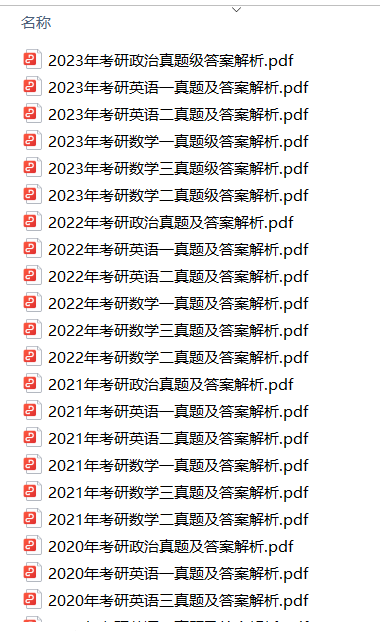
1.2013-2023年近10年政数英真题及解析PDF版(新东方)
 、
、
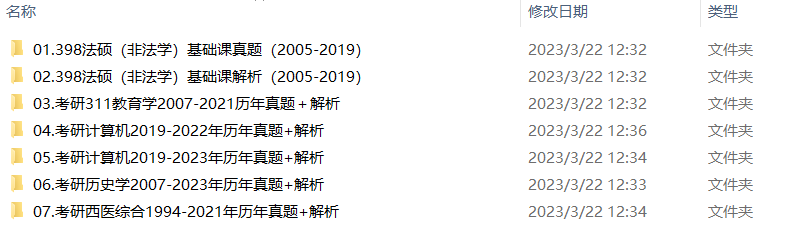
2.2013-2023年专业课考试历年真题及解析PDF版
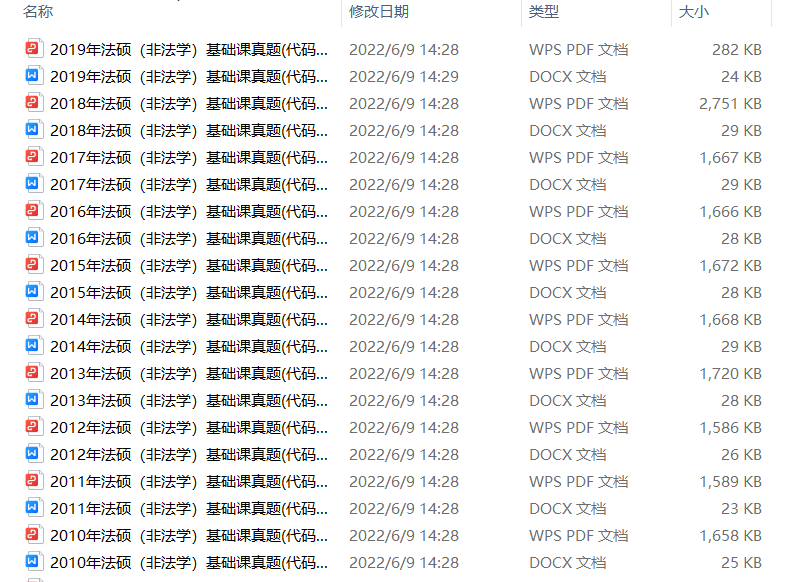
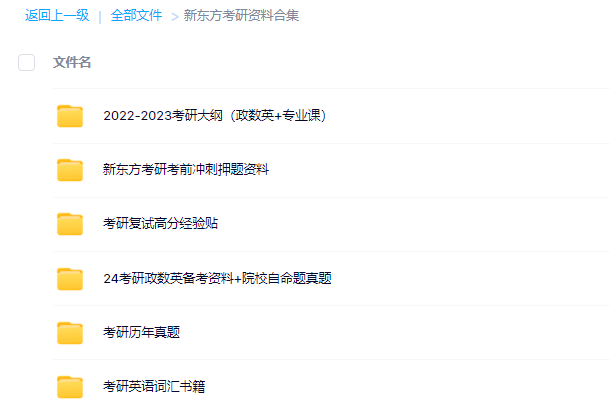
3.24考研复习备考资料大合集
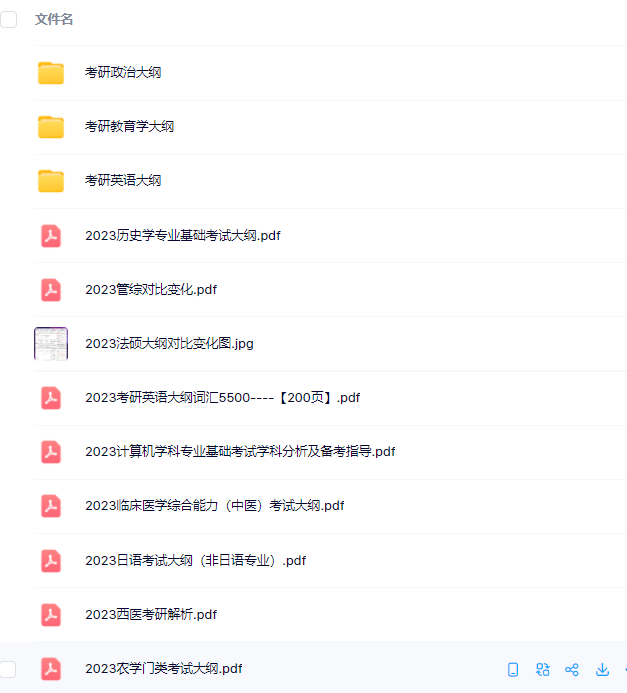
3.24考研复习备考资料:考研大纲
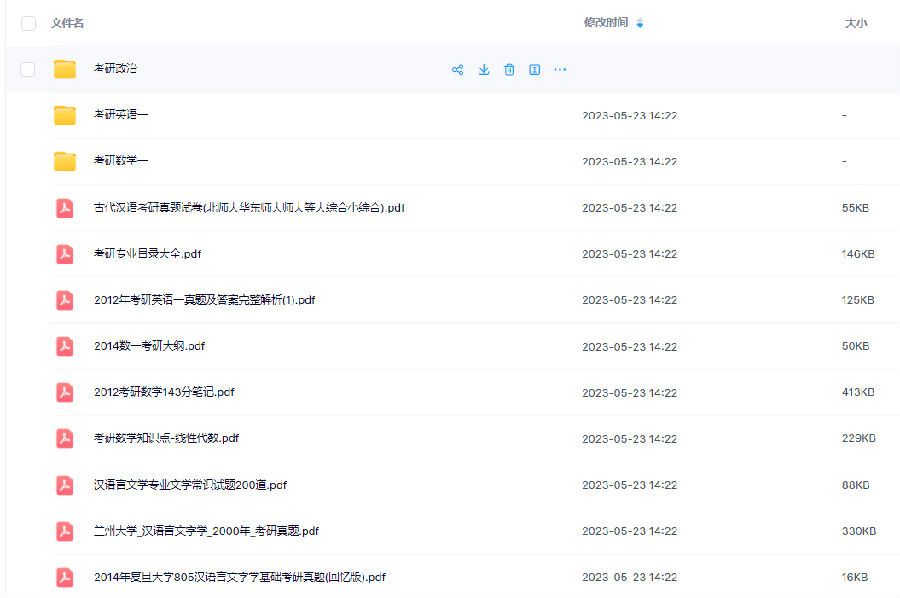
3.24考研复习备考资料:政数英备考资料+自命题真题
------------------
考研备考过程中,尤其是专业课部分,参考往年的考试真题,对于我们的复习有更好的帮助。北京大学考研真题资料都有哪些?小编为大家进行了汇总。
北京大学考研真题资料-公共课
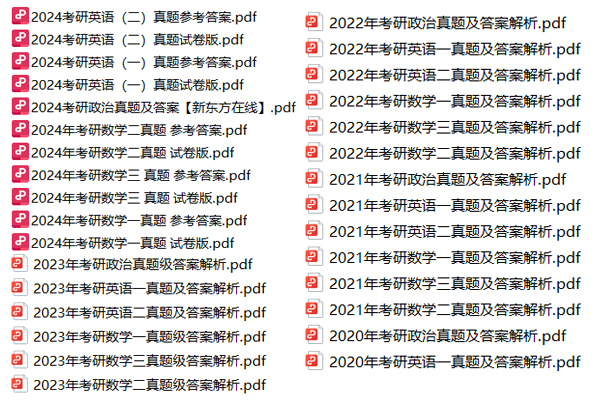
北京大学考研真题资料-专业课
以上就是关于“北京大学考研真题资料下载(历年汇总)”的整理,更多考研资料下载,请关注微信获取下载地址。
2024考研公共课必背知识点汇总
发布时间:2023-01-03扫码添加【考研班主任】
即可领取资料包
2013-2023考研历年真题汇总
发布时间:2023-01-03扫码添加【考研班主任】
即可领取资料包
考研英语大纲词汇(PDF可打印)
发布时间:2023-01-03扫码添加【考研班主任】
即可领取资料包
2024考研专业课知识点总结
发布时间:2023-01-03扫码添加【考研班主任】
即可领取资料包
2023考研政治 内部押题 PDF
发布时间:2022-11-16扫码添加【考研班主任】
即可领取资料包
徐涛:23考研预测六套卷
发布时间:2022-11-16扫码添加【考研班主任】
即可领取资料包
考研政数英冲刺资料最新整理
发布时间:2022-11-16扫码添加【考研班主任】
即可领取资料包
23考研答题卡模板打印版
发布时间:2022-11-16扫码添加【考研班主任】
即可领取资料包
2023考研大纲词汇5500PDF电子版
发布时间:2022-07-28扫码添加【考研班主任】
即可领取资料包
考研历年真题(公共课+专业课)
发布时间:2022-07-28扫码添加【考研班主任】
即可领取资料包
考研英语阅读100篇附解析及答案
发布时间:2022-01-07扫码添加【考研班主任】
即可领取资料包
新东方考研学霸笔记整理(打印版)
发布时间:2022-01-07扫码添加【考研班主任】
即可领取资料包
2001-2021年考研英语真题答案(可打印版)
发布时间:2022-01-07扫码添加【考研班主任】
即可领取资料包
考研英语词汇5500(完整版下载)
发布时间:2022-01-07扫码添加【考研班主任】
即可领取资料包
2022考研政审表模板精选10套
发布时间:2022-01-07扫码添加【考研班主任】
即可领取资料包
历年考研真题及答案 下载
发布时间:2021-12-09扫码添加【考研班主任】
即可领取资料包
考研政审表模板汇总
发布时间:2020-06-17扫码添加【考研班主任】
即可领取资料包
近5年考研英语真题汇总
发布时间:2020-06-17扫码添加【考研班主任】
即可领取资料包
考研英语大纲词汇5500
发布时间:2020-06-17扫码添加【考研班主任】
即可领取资料包
2022考研12大学科专业排名汇总
发布时间:2019-11-21扫码添加【考研班主任】
即可领取资料包
2023考研政治复习备考资料【珍藏版】
发布时间:2019-11-21扫码添加【考研班主任】
即可领取资料包
考研英语万能模板+必备词汇+范文
发布时间:2019-11-21扫码添加【考研班主任】
即可领取资料包
考研数学一、二、三历年真题整理
发布时间:2019-11-21扫码添加【考研班主任】
即可领取资料包

添加班主任领资料
添加考研班主任
免费领取考研历年真题等复习干货资料

 推荐阅读
推荐阅读
为了让考研的同学更高效地复习考研英语,新东方在线考研频道整理了“考研英语1阅读错几个后的复习计划”,考研的同学可以了解一下,希望对大家有所帮助。
为了让考研的同学更高效地复习考研英语,新东方在线考研频道整理了“考研英语二阅读篇数及题型分析”,考研的同学可以了解一下,希望对大家有所帮助。
为了让考研的同学更高效地复习考研英语,新东方在线考研频道整理了“考研英语阅读理解的总结与反思”,考研的同学可以了解一下,希望对大家有所帮助。
来源 : 网络 2025-06-13 08:02:00 关键字 : 考研英语阅读理解
为了让考研的同学更高效地复习考研英语,新东方在线考研频道整理了“提高考研英语一阅读理解的五大策略”,考研的同学可以了解一下,希望对大家有所帮助。
为了让考研的同学更高效地复习考研英语,新东方在线考研频道整理了“探索考研英语阅读文章的逻辑结构”,考研的同学可以了解一下,希望对大家有所帮助。
来源 : 网络 2025-06-12 08:03:00 关键字 : 考研英语阅读
资料下载
扫码添加【考研班主任】
即可领取资料包
扫码添加【考研班主任】
即可领取资料包
扫码添加【考研班主任】
即可领取资料包
扫码添加【考研班主任】
即可领取资料包
扫码添加【考研班主任】
即可领取资料包
扫码添加【考研班主任】
即可领取资料包
新东方在线考研资料合集
下载方式:微信扫码,获取网盘链接
目录:
1.2013-2023年近10年政数英真题及解析PDF版(新东方)
2.2013-2023年专业课考试历年真题及解析PDF版
3.24考研复习备考资料大合集:大纲+备考资料+词汇书+考前押题+自命题
资料介绍:
1.2013-2023年近10年政数英真题及解析PDF版(新东方)
、
2.2013-2023年专业课考试历年真题及解析PDF版
3.24考研复习备考资料大合集
3.24考研复习备考资料:考研大纲
3.24考研复习备考资料:政数英备考资料+自命题真题
------------------
考研备考过程中,尤其是专业课部分,参考往年的考试真题,对于我们的复习有更好的帮助。北京大学考研真题资料都有哪些?小编为大家进行了汇总。
北京大学考研真题资料-公共课
北京大学考研真题资料-专业课
以上就是关于“北京大学考研真题资料下载(历年汇总)”的整理,更多考研资料下载,请关注微信获取下载地址。
扫码添加【考研班主任】
即可领取资料包
扫码添加【考研班主任】
即可领取资料包
扫码添加【考研班主任】
即可领取资料包
扫码添加【考研班主任】
即可领取资料包
扫码添加【考研班主任】
即可领取资料包
扫码添加【考研班主任】
即可领取资料包
扫码添加【考研班主任】
即可领取资料包
扫码添加【考研班主任】
即可领取资料包
扫码添加【考研班主任】
即可领取资料包
扫码添加【考研班主任】
即可领取资料包
扫码添加【考研班主任】
即可领取资料包
扫码添加【考研班主任】
即可领取资料包
扫码添加【考研班主任】
即可领取资料包
扫码添加【考研班主任】
即可领取资料包
扫码添加【考研班主任】
即可领取资料包
扫码添加【考研班主任】
即可领取资料包
扫码添加【考研班主任】
即可领取资料包
扫码添加【考研班主任】
即可领取资料包
扫码添加【考研班主任】
即可领取资料包
扫码添加【考研班主任】
即可领取资料包
扫码添加【考研班主任】
即可领取资料包
扫码添加【考研班主任】
即可领取资料包
扫码添加【考研班主任】
即可领取资料包
 阅读排行榜
阅读排行榜
 相关内容
相关内容



 公开课
公开课 网友热搜
网友热搜