特惠-27考研
早鸟-28考研课
双证硕士:在线咨询
免联考-同等学力
在职研:1对1答疑
新东方考研Ai择校
考研英语水平测试
计算机考研:择校备考包
法硕:择校备考大礼包
保研-路线图
必备:考研招简大合集
考研备考:重点复习资料
27考研-新大纲对比

扫码加入训练营
牢记核心词
学习得礼盒
2015考研英语复习正是强化复习阶段,考研英语阅读在考研英语中占了40分,所以考研英语阅读是英语科目中重要的一项。新东方名师范猛老师曾建议过考研生需要坚持每天泛读10-15分钟的英文原刊。强烈推荐了杂志《经济学人》杂志中的文章也是考研英语的主要材料来源.希望考研考生认真阅读,快速提高考研英语阅读水平。
Agriculture and nutrition农业与营养
Hidden hunger隐性饥饿
How much can farming really improve people’shealth? 农业到底能为促进人类健康贡献多少?
IN A market in southern Uganda two traders squatbehind little piles of sweet potatoes and a sign thatsays “with extra vitamin A”. A passing shoppercomplains about the price: 10% more than ordinarysweet potatoes. Yes, say the traders, but they’rebetter, bred with extra vitamin A. The bargaininggoes back and forth, but the struggle to improve thecrop has already been won. Since 2007, when an outfit called HarvestPlus began distributing the“biofortified” rootcrop in Uganda and Mozambique, 50,000 farmers have started to plant it orcrops like it. Vitamin A intake has soared and the produce commands a premium. The shoppereventually buys some.
乌干达南部的一个市场上,两个小贩蹲坐在一小堆红薯边,一旁的牌子上写着“富含维A”。顾客路过,抱怨价格太贵:比一般红薯贵10%。贵是贵一点,小贩解释道,但是这种红薯更优质,富含更多维A。虽然还要再讨价还价一番,但已经确定的是作物营养价值方面已经有所进步了。自2007年,供应商HarvestPlus开始在乌干达和莫桑比亚销售“生物合成”的块根作物,近5万农户开始种植此类作物。维A含量的显著增多,使得产品价格升高。顾客最终也逐渐开始购买此类农产品。
Nutrition has long been the Cinderella of development. Lack of calories—hunger—is a headline-grabber, particularly as rising food prices push more people towards starvation. But the hiddenhunger of micronutrient deficiencies harms even more people and inflicts lasting damage onthem and their societies. It, too, worsens as food prices rise: families switch from costly,nutrient-rich, fruit, vegetables and meat to cheaper, nutrient-poor staples.
营养一直以来都是发展中被遗忘的短板,摄入能量不足——饥饿——占领了大大小小报刊的头版,尤其是当食品价格上涨,导致更多的人面临饥饿。然而,缺乏微量元素的隐性饥饿影响着更广泛的人群,并且对人们以及社会造成长期的危害。不仅如此,隐性饥饿还会加速食品价格上涨:很多家庭会从营养丰富的昂贵水果、蔬菜及肉类转向价格便宜但营养价值较低的主食产品。
In 2008 the Copenhagen Business School asked eight eminent economists to imagine they had$75 billion to spend on causes that would most help the world. Five of their top ten involvednutrition: vitamin supplements for children, adding zinc and iodine to salt and breeding extramicronutrients into crops (like those sweet potatoes). Others included girls’ schools and tradeliberalisation.
2008年,哥本哈根商学院邀请8位著名的经济学家一同设想如果有750亿美元,将会用到哪些他们认为对世界最有帮助的事业上。十大事业中的前五项就包括营养:儿童补充维生素,食盐加锌和碘以及农作物增加微量元素(如红薯)。其他事业还包括女童教育以及贸易自由化。
Of the 40 nutrients people need, four are inchronically short supply: iron, zinc, iodine andvitamin A. Vitamin A is essential for the mucousmembranes that protect the body’s organs, such asthe eyes. Lack of it causes half a million children togo blind every year; half of them die within a year astheir other organs fail. Vitamin A supplements werethe Copenhagen experts’ top choice. Zinc deficiencyimpairs brain and motor functions and causesroughly 400,000 deaths a year. Shortage of iron(anaemia) weakens the immune system and affects,in some poor countries, half of all women of child-bearing age.
在人体所需的40种营养元素中,有4种长期匮乏:铁、锌、碘和维A。维A对保护人体器官粘膜至关重要,比如眼睛。维A的缺乏每年导致近50万儿童失明,其中一半的儿童因其他身体器官衰竭而死亡。补充维A是哥本哈根的经济学家最优先的选择。缺锌对大脑与运动神经功能有害,每年近40万人因缺锌死亡。缺铁(贫血症)致使免疫力下降,在一些贫困国家,到达生育年龄的妇女中有一半都有缺铁性贫血。
Too hungry to think properly饿得无法集中精神
The missing nutrients bite wide and deep. Education levels drop (malnourished childrenconcentrate poorly); earning-power weakens. Even marriage chances wane: malnourished boysmarry women of lower educational levels when they grow up.
缺乏营养对人体危害很大,导致教育水平下降(营养不良的儿童注意力无法集中)以及收入能力降低。甚至婚姻也因此走下坡路:营养不良的男性长大后会娶教育水平较低的女性为伴。
Common responses include handing out vitamin pills and fortifying common foods withmicronutrients (such as putting iodine in salt). But policymakers are now asking whetherfarming could do more to improve nutrition. That was the subject of a recent conference inDelhi organised by the International Food Policy Research Institute and attended by 1,000-oddpoliticians, scientists and activists.
普通的解决方法包括发放维生素片以及向日常食物中添加微量营养元素(如食盐加碘)。但政策制定者们现在提出的问题是农业是否能够更好地促进营养。这个问题也是近期由国际粮食政策研究所在德里召开的会议的主题,与会者包括1000余位政客、科学家与社会活动家。
Farming ought to be especially good for nutrition. If farmers provide a varied diet to localmarkets, people seem more likely to eat well. Agricultural growth is one of the best ways togenerate income for the poorest, who need the most help buying nutritious food. And inmany countries women do most of the farm work. They also have most influence on children’shealth. Profitable farming, women’s income and child nutrition should therefore go together. Intheory a rise in farm output should boost nutrition by more than a comparable rise in generaleconomic well-being, measured by GDP.
农业理应增进营养。如果农户能够像当地市场提供多样化的食品,人们便能有更健康的饮食。贫穷人群最需要获得帮助,购买有营养的食品,而农业发展则是增加贫穷人群收入的最好方式之一。在许多国家,务农的主要是女性,她们对儿童的健康也有着很大的影响。因此,可盈利性务农、女性收入以及儿童营养应该齐头并进。从理论上讲,农业产出增加比相应比例的总体经济增长(如GDP的增加)要更有利于促进营养。
In practice it is another story. A paper* written for the Delhi meeting shows that an increase inagricultural value-added per worker from $200 to $500 a year is associated with a fall in theshare of the undernourished population from about 35% to just over 20%. That is not bad.But it is no better than what happens when GDP per head grows by the same amount. Soagriculture seems no better at cutting malnutrition than growth in general.
而现实中则完全不同。德里会议上的一篇论文指出,每位工人每年的农业增值200到500美元将使得营养不良人群比例从35%降低到20%。这已经是个很明显的进步了。然而,这还是不及同比例的人均GDP增长所带来的效果明显。因此,在减少营养不良方面,农业似乎不如总体经济增长起作用。
Another paper?? confirms this. Agricultural growthreduces the proportion of underweight children,whereas non-agricultural growth does not. But whenit comes to stunting (children who do not grow astall as they should), it is the other way round: GDPgrowth produces the benefit; agriculture does not.As a way to cut malnutrition, farming seemsnothing special.
另一篇论文证实了这一点。农业增长确实减少了体重偏轻的儿童比例,而在这一点上 非农业增长无法做到。但是在身高方面(儿童偏矮),则是另一番状况了:GDP增长可以促进儿童长高,而农业增长则无能为力。因此,谈到改善营养不良,农业并没有什么特殊效果。
Why not? Partly because many people in poor countries buy, not grow, their food—especiallythe higher-value, more nutritious kinds, such as meat and vegetables. So extra income is whatcounts. Agriculture helps, but not, it seems, by enough.
为什么呢?部分原因是由于贫穷国家的许多人都选择购买食品,而并不自己种植——尤其是那些高价值且营养价值更丰富的食物,如肉类与蔬菜类。因此,增加收入才是最重要的因素。而农业,虽然有所帮助,但还不够。
In addition, when poor people do have a bit more cash, they do not spend it all on food, asnutritionists hope (see also Economics focus). A study from Maharashtra, in western India, backin 1983, found that poor people spent two-thirds of their extra income on food; and the verypoorest did not spend much more of their extra money than the least poor, even though theyhad just one-sixth of the income. People spent almost 40% of their additional rupees onwheat, rice or sugar: costly and (in the case of sugar) not very nutritious. So even when thepoor do spend more on food, they do not buy the stuff that is most nutritious or the bestvalue. In a forthcoming book** Abhijit Banerjee and Esther Duflo of the MassachusettsInstitute of Technology conclude that “the poor seem to have many choices, and they don’telect to spend as much as they can on food.”
此外,当穷人手里多一点钱时,他们并不会像营养学家所期望的那样,将这些多出来的钱花在食物上(参考阅读Economics focus)。一份1983年印度西部Maharashtra邦的研究报告发现,穷人将额外所得的2/3用于购买食物。而最贫穷的人与次贫穷的人相比,就算前者额外收入仅占后者的1/6,也不会花费更多来购买食物。人们额外收入中的几乎40%都用于购买小麦、大米和糖:花费颇多(尤其是糖)且营养价值不高。因此,就算穷人购买更多食物,也不等于他们能买最有营养或价值最优的食物。MIT的Abhijit Banerjee和EstherDuflo即将发行的新书如此总结道:“穷人们似乎有很多选择,但是却不愿花太多钱在食物上。”
Agriculture, then, is no magic solution. But farming could do more to improve nutrition—as isclear from countries’ widely varying records. Malawi, Bangladesh and Vietnam all increasedagricultural value-added by roughly $100 a head from 1990 to 2007, and cut malnutrition by15-20 percentage points. Egypt, Guatemala and India pushed up agricultural value-added more—yet their malnutrition rates rose.
这样看来,农业并不是万能的。但根据世界各国的各项记录来看,农业在改善营养方面还可以做的更好。从1990年到2007年,马拉维、孟加拉国和越南的人均农业增值都增加了100美元左右,营养不良比例也降低了15到20个百分点。埃及、危地马拉和印度农业增值更多——但营养不良比例反而增加了。
The success stories are instructive. In 1990 a charitable organisation called Helen KellerInternational started to encourage market gardens in Bangladesh, providing women (mostly)with seeds and advice. By 2003 (the year of the latest available research), four-fifths offamilies in the target area had gardens, against 15% in the whole country. Almost all womenand children were eating green vegetables three times a week, compared with only a thirdbeforehand. And vitamin A intake had soared. Projects like this work because they improve whatpeople like to eat anyway.
成功的事例很有启发性。1990年,海伦??凯勒(Helen Keller)国际慈善组织开始鼓励孟加拉国开展“市场菜园”项目,为妇女(大部分为妇女)提供种子和咨询服务。到2003年(现有最新研究截止于2003年),项目区域内的4/5的家庭都拥有菜园,高于全国比例15%;且几乎所有的妇女和儿童一周能吃上三次新鲜绿色蔬菜,而之前只有三分之一。此外,维A摄入量也大量增加。类似这样的项目通常收效良好,因为它们可以改善人们的饮食。


【英语阅读资料】这里有↑↑↑

 资料下载
资料下载
2014年-2025年考研历年真题汇总
发布时间:2024-04-25扫码添加【考研班主任】
即可领取资料包
考研大纲PDF电子版下载-历年(附解析)
发布时间:2024-04-25扫码添加【考研班主任】
即可领取资料包
2026年考研政数英备考资料zip压缩包
发布时间:2024-04-25扫码添加【考研班主任】
即可领取资料包
考研英语大纲词汇5500打印版(基础必备)
发布时间:2024-04-25扫码添加【考研班主任】
即可领取资料包
新东方在线考试模拟题【12套】
发布时间:2024-04-25扫码添加【考研班主任】
即可领取资料包
2026年考研专业课知识点总结
发布时间:2024-04-25扫码添加【考研班主任】
即可领取资料包
新东方考研资料下载地址
发布时间:2023-05-17新东方在线考研资料合集
下载方式:微信扫码,获取网盘链接

目录:
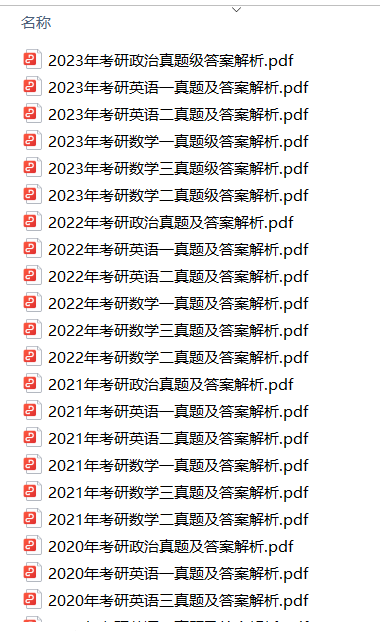
1.2013-2023年近10年政数英真题及解析PDF版(新东方)
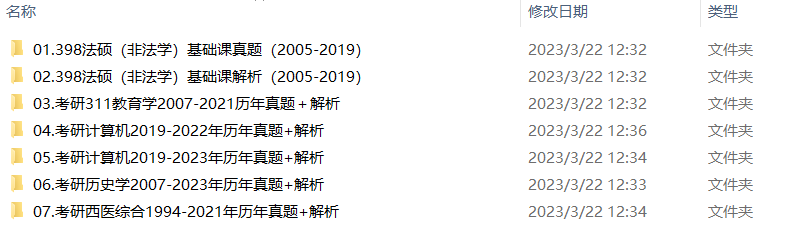
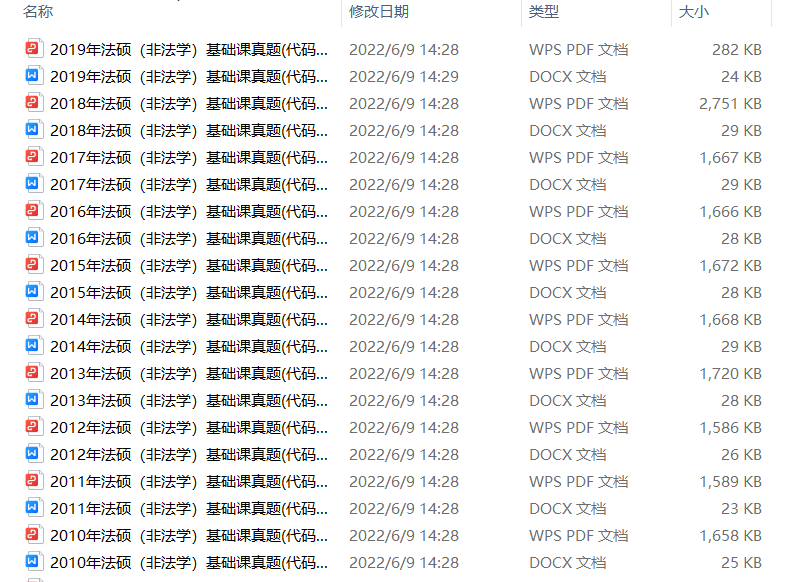
2.2013-2023年专业课考试历年真题及解析PDF版
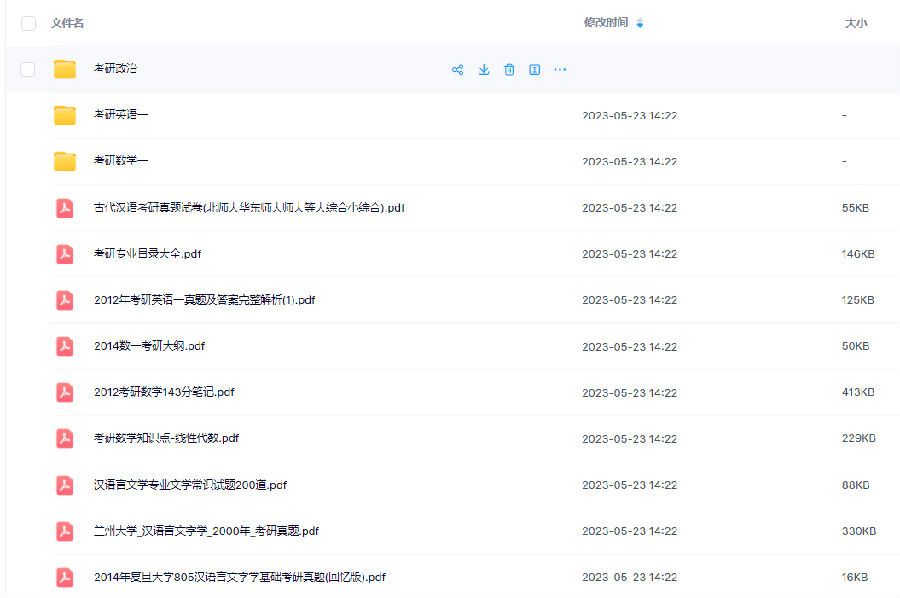
3.24考研复习备考资料大合集:大纲+备考资料+词汇书+考前押题+自命题
资料介绍:
1.2013-2023年近10年政数英真题及解析PDF版(新东方)
 、
、
2.2013-2023年专业课考试历年真题及解析PDF版
3.24考研复习备考资料大合集

3.24考研复习备考资料:考研大纲

3.24考研复习备考资料:政数英备考资料+自命题真题
------------------
考研备考过程中,尤其是专业课部分,参考往年的考试真题,对于我们的复习有更好的帮助。北京大学考研真题资料都有哪些?小编为大家进行了汇总。

北京大学考研真题资料-公共课
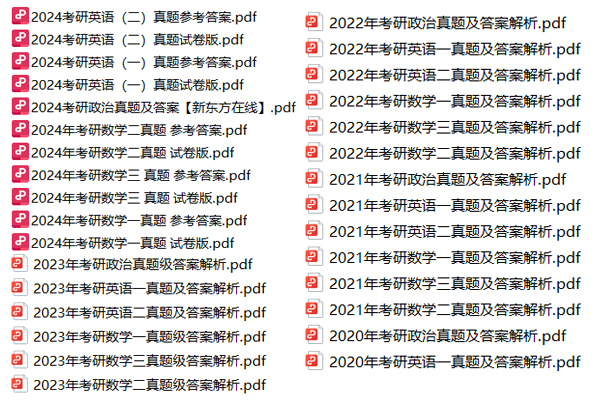
北京大学考研真题资料-专业课
以上就是关于“北京大学考研真题资料下载(历年汇总)”的整理,更多考研资料下载,请关注微信获取下载地址。
2024考研公共课必背知识点汇总
发布时间:2023-01-03扫码添加【考研班主任】
即可领取资料包
2013-2023考研历年真题汇总
发布时间:2023-01-03扫码添加【考研班主任】
即可领取资料包
考研英语大纲词汇(PDF可打印)
发布时间:2023-01-03扫码添加【考研班主任】
即可领取资料包
2024考研专业课知识点总结
发布时间:2023-01-03扫码添加【考研班主任】
即可领取资料包
2023考研政治 内部押题 PDF
发布时间:2022-11-16扫码添加【考研班主任】
即可领取资料包
徐涛:23考研预测六套卷
发布时间:2022-11-16扫码添加【考研班主任】
即可领取资料包
考研政数英冲刺资料最新整理
发布时间:2022-11-16扫码添加【考研班主任】
即可领取资料包
23考研答题卡模板打印版
发布时间:2022-11-16扫码添加【考研班主任】
即可领取资料包
2023考研大纲词汇5500PDF电子版
发布时间:2022-07-28扫码添加【考研班主任】
即可领取资料包
考研历年真题(公共课+专业课)
发布时间:2022-07-28扫码添加【考研班主任】
即可领取资料包
考研英语阅读100篇附解析及答案
发布时间:2022-01-07扫码添加【考研班主任】
即可领取资料包
新东方考研学霸笔记整理(打印版)
发布时间:2022-01-07扫码添加【考研班主任】
即可领取资料包
2001-2021年考研英语真题答案(可打印版)
发布时间:2022-01-07扫码添加【考研班主任】
即可领取资料包
考研英语词汇5500(完整版下载)
发布时间:2022-01-07扫码添加【考研班主任】
即可领取资料包
2022考研政审表模板精选10套
发布时间:2022-01-07扫码添加【考研班主任】
即可领取资料包
历年考研真题及答案 下载
发布时间:2021-12-09扫码添加【考研班主任】
即可领取资料包
考研政审表模板汇总
发布时间:2020-06-17扫码添加【考研班主任】
即可领取资料包
近5年考研英语真题汇总
发布时间:2020-06-17扫码添加【考研班主任】
即可领取资料包
考研英语大纲词汇5500
发布时间:2020-06-17扫码添加【考研班主任】
即可领取资料包
2022考研12大学科专业排名汇总
发布时间:2019-11-21扫码添加【考研班主任】
即可领取资料包
2023考研政治复习备考资料【珍藏版】
发布时间:2019-11-21扫码添加【考研班主任】
即可领取资料包
考研英语万能模板+必备词汇+范文
发布时间:2019-11-21扫码添加【考研班主任】
即可领取资料包
考研数学一、二、三历年真题整理
发布时间:2019-11-21扫码添加【考研班主任】
即可领取资料包

添加班主任领资料
添加考研班主任
免费领取考研历年真题等复习干货资料

 推荐阅读
推荐阅读
为了让考研的同学更高效地复习考研英语,新东方在线考研频道整理了“考研英语1阅读错几个后的复习计划”,考研的同学可以了解一下,希望对大家有所帮助。
为了让考研的同学更高效地复习考研英语,新东方在线考研频道整理了“考研英语二阅读篇数及题型分析”,考研的同学可以了解一下,希望对大家有所帮助。
为了让考研的同学更高效地复习考研英语,新东方在线考研频道整理了“考研英语阅读理解的总结与反思”,考研的同学可以了解一下,希望对大家有所帮助。
来源 : 网络 2025-06-13 08:02:00 关键字 : 考研英语阅读理解
为了让考研的同学更高效地复习考研英语,新东方在线考研频道整理了“提高考研英语一阅读理解的五大策略”,考研的同学可以了解一下,希望对大家有所帮助。
为了让考研的同学更高效地复习考研英语,新东方在线考研频道整理了“探索考研英语阅读文章的逻辑结构”,考研的同学可以了解一下,希望对大家有所帮助。
来源 : 网络 2025-06-12 08:03:00 关键字 : 考研英语阅读
资料下载
扫码添加【考研班主任】
即可领取资料包
扫码添加【考研班主任】
即可领取资料包
扫码添加【考研班主任】
即可领取资料包
扫码添加【考研班主任】
即可领取资料包
扫码添加【考研班主任】
即可领取资料包
扫码添加【考研班主任】
即可领取资料包
新东方在线考研资料合集
下载方式:微信扫码,获取网盘链接
目录:
1.2013-2023年近10年政数英真题及解析PDF版(新东方)
2.2013-2023年专业课考试历年真题及解析PDF版
3.24考研复习备考资料大合集:大纲+备考资料+词汇书+考前押题+自命题
资料介绍:
1.2013-2023年近10年政数英真题及解析PDF版(新东方)
、
2.2013-2023年专业课考试历年真题及解析PDF版
3.24考研复习备考资料大合集
3.24考研复习备考资料:考研大纲
3.24考研复习备考资料:政数英备考资料+自命题真题
------------------
考研备考过程中,尤其是专业课部分,参考往年的考试真题,对于我们的复习有更好的帮助。北京大学考研真题资料都有哪些?小编为大家进行了汇总。
北京大学考研真题资料-公共课
北京大学考研真题资料-专业课
以上就是关于“北京大学考研真题资料下载(历年汇总)”的整理,更多考研资料下载,请关注微信获取下载地址。
扫码添加【考研班主任】
即可领取资料包
扫码添加【考研班主任】
即可领取资料包
扫码添加【考研班主任】
即可领取资料包
扫码添加【考研班主任】
即可领取资料包
扫码添加【考研班主任】
即可领取资料包
扫码添加【考研班主任】
即可领取资料包
扫码添加【考研班主任】
即可领取资料包
扫码添加【考研班主任】
即可领取资料包
扫码添加【考研班主任】
即可领取资料包
扫码添加【考研班主任】
即可领取资料包
扫码添加【考研班主任】
即可领取资料包
扫码添加【考研班主任】
即可领取资料包
扫码添加【考研班主任】
即可领取资料包
扫码添加【考研班主任】
即可领取资料包
扫码添加【考研班主任】
即可领取资料包
扫码添加【考研班主任】
即可领取资料包
扫码添加【考研班主任】
即可领取资料包
扫码添加【考研班主任】
即可领取资料包
扫码添加【考研班主任】
即可领取资料包
扫码添加【考研班主任】
即可领取资料包
扫码添加【考研班主任】
即可领取资料包
扫码添加【考研班主任】
即可领取资料包
扫码添加【考研班主任】
即可领取资料包
 阅读排行榜
阅读排行榜
 相关内容
相关内容



 公开课
公开课 网友热搜
网友热搜