特惠-27考研
早鸟-28考研课
双证硕士:在线咨询
免联考-同等学力
在职研:1对1答疑
新东方考研Ai择校
考研英语水平测试
计算机考研:择校备考包
法硕:择校备考大礼包
保研-路线图
必备:考研招简大合集
考研备考:重点复习资料
27考研-新大纲对比
扫码加入训练营
牢记核心词
学习得礼盒
考研英语阅读部分分值比重大,占总分的40%,是毫无疑问的复习重点。英语阅读复习重在练习,通过练习掌握阅读技巧和做题方法,以争取再短时间内把握主旨和针对考题找出答案。新东方在线整理2016考研英语阅读理解模拟题训练集,同学们可以来测测自己的阅读水平哦!
2016考研英语阅读理解模拟题训练(3)
Scientists have known for more than two decades that cancer is a disease of
the genes. Something scrambles the Dna inside a nucleus, and suddenly, instead
of dividing in a measured fashion, a cell begins to copy itself furiously.
Unlike an ordinary cell, it never stops. But describing the process isn't the
same as figuring it out. Cancer cells are so radically different from normal
ones that it's almost impossible to untangle the sequence of events that made
them that way. So for years researchers have been attacking the problem by
taking normal cells and trying to determine what changes will turn them
cancerous——always without success.
Until now. According to a report in the current issue of Nature, a team of scientists based at M.I.T.'s Whitehead Institute for Biomedical Research has finally managed to make human cells malignant——a feat they accomplished with two different cell types by inserting just three altered genes into their DNA. While these manipulations were done only in lab dishes and won't lead to any immediate treatment, they appear to be a crucial step in understanding the disease. This is a “landmark paper,” wrote Jonathan Weitzman and Moshe Yaniv of the Pasteur Institute in Paris, in an accompanying commentary.
The dramatic new result traces back to a breakthrough in 1983, when the Whitehead's Robert Weinberg and colleagues showed that mouse cells would become cancerous when spiked with two altered genes. But when they tried such alterations on human cells, they didn't work. Since then, scientists have learned that mouse cells differ from human cells in an important respect: they have higher levels of an enzyme called telomerase. That enzyme keeps caplike structures called telomeres on the ends of chromosomes from getting shorter with each round of cell division. Such shortening is part of a cell's aging process, and since cancer cells keep dividing forever, the Whitehead group reasoned that making human cells more mouselike might also make them cancerous.
The strategy worked. The scientists took connective-tissue and kidney cells and introduced three mutated genes——one that makes cells divide rapidly; another that disables two substances meant to rein in excessive division; and a third that promotes the production of telomerase, which made the cells essentially immortal. They'd created a tumor in a test tube. “Some people believed that telomerase wasn't that important,” says the Whitehead's William Hahn, the study's lead author. “This allows us to say with some certainty that it is.”
Understanding cancer cells in the lab isn't the same as understanding how it behaves in a living body, of course. But by teasing out the key differences between normal and malignant cells, doctors may someday be able to design tests to pick up cancer in its earliest stages. The finding could also lead to drugs tailored to attack specific types of cancer, thereby lessening our dependence on tissue-destroying chemotherapy and radiation. Beyond that, the Whitehead research suggests that this stubbornly complex disease may have a simple origin, and the identification of that origin may turn out to be the most important step of all.
注(1):本文选自Time; 08/09/99, p60, 3/5p, 2c
注(2):本文习题命题模仿对象2002年真题text 4
1. From the first paragraph, we learn that ________________.
[A] scientists had understood what happened to normal cells that made them behave strangely
[B] when a cell begins to copy itself without stopping, it becomes cancerous
[C] normal cells do no copy themselves
[D] the DNA inside a nucleus divides regularly
2. Which of the following statements is true according to the text?
[A] The scientists traced the source of cancers by figuring out their DNA order.
[B] A treatment to cancers will be available within a year or two.
[C] The finding paves way for tackling cancer.
[D] The scientists successfully turned cancerous cells into healthy cells.
3. According to the author, one of the problems in previous cancer research is ________.
[A] enzyme kept telomeres from getting shorter
[B] scientists didn‘t know there existed different levels of telomerase between mouse cells and human cells
[C] scientists failed to understand the connection between a cell‘s aging process and cell division.
[D] human cells are mouselike
4. Which of the following best defines the word “tailored” (Line 4, Paragraph 5)?
[A] made specifically
[B] used mainly
[C] targeted
[D] aimed
5. The Whitehead research will probably result in ___________.
[A] a thorough understanding of the disease
[B] beating out cancers
[C] solving the cancer mystery
[D] drugs that leave patients less painful
答案:B C B A D
【英语阅读资料】这里有↑↑↑
 资料下载
资料下载
2014年-2025年考研历年真题汇总
发布时间:2024-04-25扫码添加【考研班主任】
即可领取资料包
考研大纲PDF电子版下载-历年(附解析)
发布时间:2024-04-25扫码添加【考研班主任】
即可领取资料包
2026年考研政数英备考资料zip压缩包
发布时间:2024-04-25扫码添加【考研班主任】
即可领取资料包
考研英语大纲词汇5500打印版(基础必备)
发布时间:2024-04-25扫码添加【考研班主任】
即可领取资料包
新东方在线考试模拟题【12套】
发布时间:2024-04-25扫码添加【考研班主任】
即可领取资料包
2026年考研专业课知识点总结
发布时间:2024-04-25扫码添加【考研班主任】
即可领取资料包
新东方考研资料下载地址
发布时间:2023-05-17新东方在线考研资料合集
下载方式:微信扫码,获取网盘链接

目录:
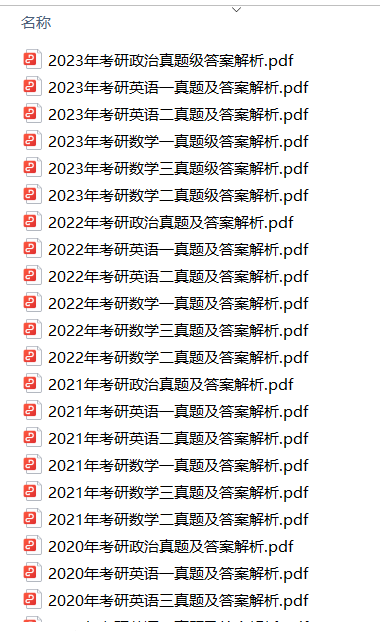
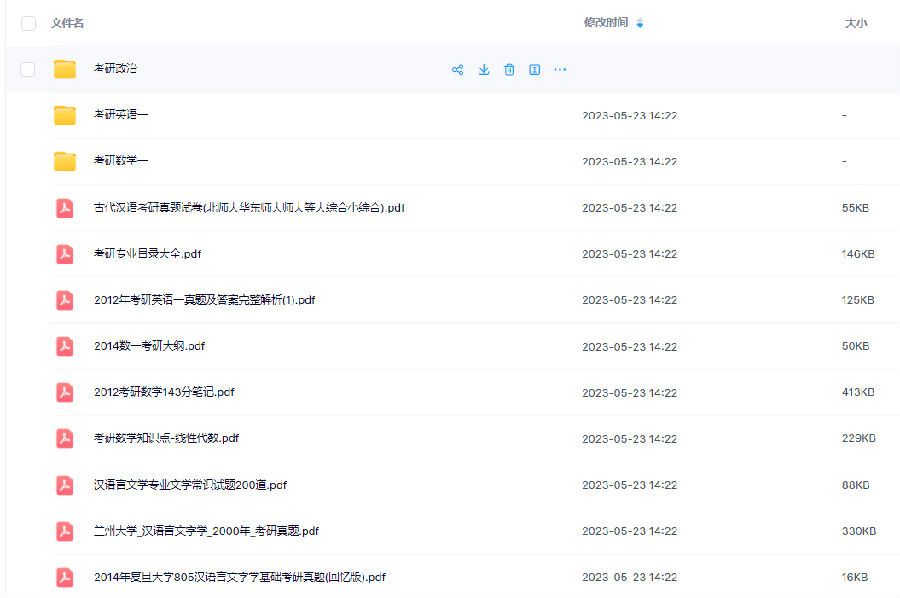
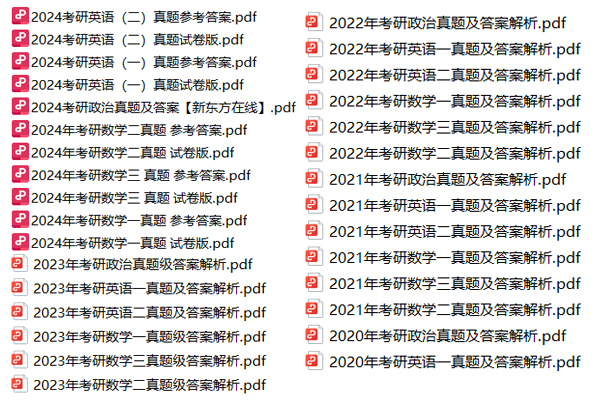
1.2013-2023年近10年政数英真题及解析PDF版(新东方)
2.2013-2023年专业课考试历年真题及解析PDF版
3.24考研复习备考资料大合集:大纲+备考资料+词汇书+考前押题+自命题
资料介绍:
1.2013-2023年近10年政数英真题及解析PDF版(新东方)
 、
、
2.2013-2023年专业课考试历年真题及解析PDF版
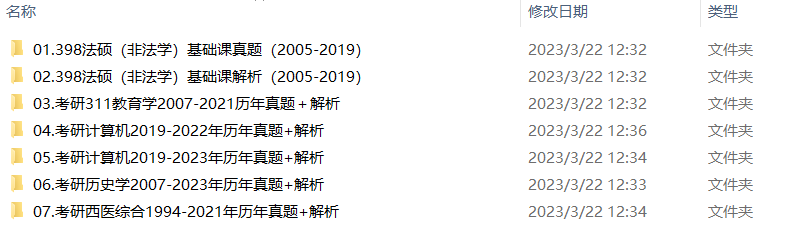
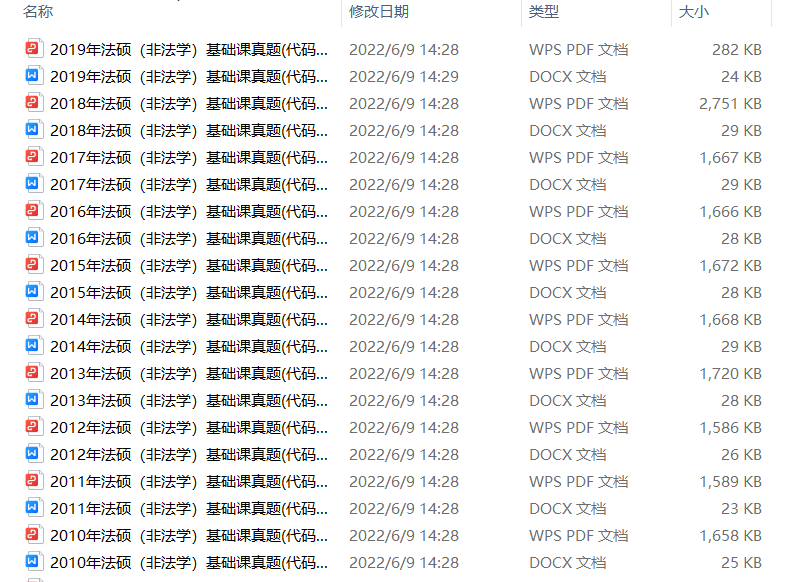
3.24考研复习备考资料大合集
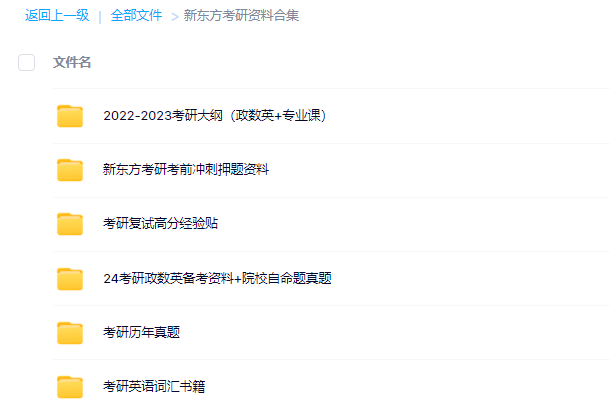
3.24考研复习备考资料:考研大纲
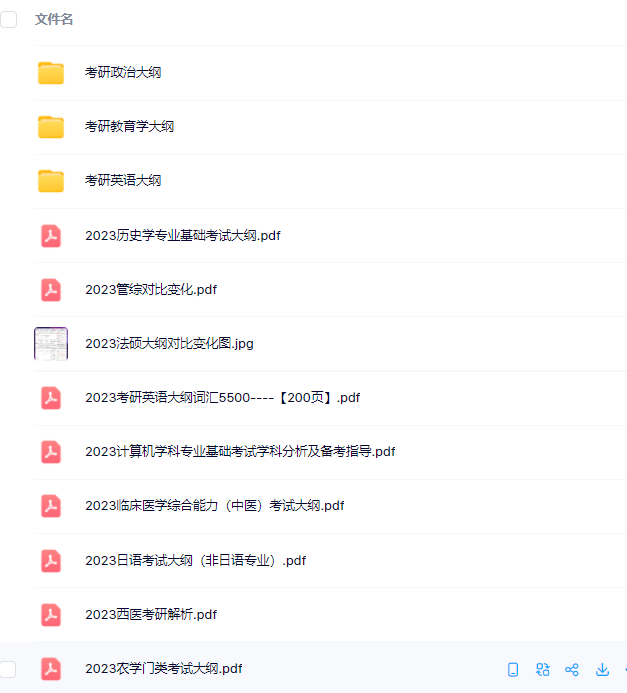
3.24考研复习备考资料:政数英备考资料+自命题真题
------------------
考研备考过程中,尤其是专业课部分,参考往年的考试真题,对于我们的复习有更好的帮助。北京大学考研真题资料都有哪些?小编为大家进行了汇总。

北京大学考研真题资料-公共课
北京大学考研真题资料-专业课
以上就是关于“北京大学考研真题资料下载(历年汇总)”的整理,更多考研资料下载,请关注微信获取下载地址。
2024考研公共课必背知识点汇总
发布时间:2023-01-03扫码添加【考研班主任】
即可领取资料包
2013-2023考研历年真题汇总
发布时间:2023-01-03扫码添加【考研班主任】
即可领取资料包
考研英语大纲词汇(PDF可打印)
发布时间:2023-01-03扫码添加【考研班主任】
即可领取资料包
2024考研专业课知识点总结
发布时间:2023-01-03扫码添加【考研班主任】
即可领取资料包
2023考研政治 内部押题 PDF
发布时间:2022-11-16扫码添加【考研班主任】
即可领取资料包
徐涛:23考研预测六套卷
发布时间:2022-11-16扫码添加【考研班主任】
即可领取资料包
考研政数英冲刺资料最新整理
发布时间:2022-11-16扫码添加【考研班主任】
即可领取资料包
23考研答题卡模板打印版
发布时间:2022-11-16扫码添加【考研班主任】
即可领取资料包
2023考研大纲词汇5500PDF电子版
发布时间:2022-07-28扫码添加【考研班主任】
即可领取资料包
考研历年真题(公共课+专业课)
发布时间:2022-07-28扫码添加【考研班主任】
即可领取资料包
考研英语阅读100篇附解析及答案
发布时间:2022-01-07扫码添加【考研班主任】
即可领取资料包
新东方考研学霸笔记整理(打印版)
发布时间:2022-01-07扫码添加【考研班主任】
即可领取资料包
2001-2021年考研英语真题答案(可打印版)
发布时间:2022-01-07扫码添加【考研班主任】
即可领取资料包
考研英语词汇5500(完整版下载)
发布时间:2022-01-07扫码添加【考研班主任】
即可领取资料包
2022考研政审表模板精选10套
发布时间:2022-01-07扫码添加【考研班主任】
即可领取资料包
历年考研真题及答案 下载
发布时间:2021-12-09扫码添加【考研班主任】
即可领取资料包
考研政审表模板汇总
发布时间:2020-06-17扫码添加【考研班主任】
即可领取资料包
近5年考研英语真题汇总
发布时间:2020-06-17扫码添加【考研班主任】
即可领取资料包
考研英语大纲词汇5500
发布时间:2020-06-17扫码添加【考研班主任】
即可领取资料包
2022考研12大学科专业排名汇总
发布时间:2019-11-21扫码添加【考研班主任】
即可领取资料包
2023考研政治复习备考资料【珍藏版】
发布时间:2019-11-21扫码添加【考研班主任】
即可领取资料包
考研英语万能模板+必备词汇+范文
发布时间:2019-11-21扫码添加【考研班主任】
即可领取资料包
考研数学一、二、三历年真题整理
发布时间:2019-11-21扫码添加【考研班主任】
即可领取资料包

添加班主任领资料
添加考研班主任
免费领取考研历年真题等复习干货资料

 推荐阅读
推荐阅读
为了让考研的同学更高效地复习考研英语,新东方在线考研频道整理了“考研英语1阅读错几个后的复习计划”,考研的同学可以了解一下,希望对大家有所帮助。
为了让考研的同学更高效地复习考研英语,新东方在线考研频道整理了“考研英语二阅读篇数及题型分析”,考研的同学可以了解一下,希望对大家有所帮助。
为了让考研的同学更高效地复习考研英语,新东方在线考研频道整理了“考研英语阅读理解的总结与反思”,考研的同学可以了解一下,希望对大家有所帮助。
来源 : 网络 2025-06-13 08:02:00 关键字 : 考研英语阅读理解
为了让考研的同学更高效地复习考研英语,新东方在线考研频道整理了“提高考研英语一阅读理解的五大策略”,考研的同学可以了解一下,希望对大家有所帮助。
为了让考研的同学更高效地复习考研英语,新东方在线考研频道整理了“探索考研英语阅读文章的逻辑结构”,考研的同学可以了解一下,希望对大家有所帮助。
来源 : 网络 2025-06-12 08:03:00 关键字 : 考研英语阅读
资料下载
扫码添加【考研班主任】
即可领取资料包
扫码添加【考研班主任】
即可领取资料包
扫码添加【考研班主任】
即可领取资料包
扫码添加【考研班主任】
即可领取资料包
扫码添加【考研班主任】
即可领取资料包
扫码添加【考研班主任】
即可领取资料包
新东方在线考研资料合集
下载方式:微信扫码,获取网盘链接
目录:
1.2013-2023年近10年政数英真题及解析PDF版(新东方)
2.2013-2023年专业课考试历年真题及解析PDF版
3.24考研复习备考资料大合集:大纲+备考资料+词汇书+考前押题+自命题
资料介绍:
1.2013-2023年近10年政数英真题及解析PDF版(新东方)
、
2.2013-2023年专业课考试历年真题及解析PDF版
3.24考研复习备考资料大合集
3.24考研复习备考资料:考研大纲
3.24考研复习备考资料:政数英备考资料+自命题真题
------------------
考研备考过程中,尤其是专业课部分,参考往年的考试真题,对于我们的复习有更好的帮助。北京大学考研真题资料都有哪些?小编为大家进行了汇总。
北京大学考研真题资料-公共课
北京大学考研真题资料-专业课
以上就是关于“北京大学考研真题资料下载(历年汇总)”的整理,更多考研资料下载,请关注微信获取下载地址。
扫码添加【考研班主任】
即可领取资料包
扫码添加【考研班主任】
即可领取资料包
扫码添加【考研班主任】
即可领取资料包
扫码添加【考研班主任】
即可领取资料包
扫码添加【考研班主任】
即可领取资料包
扫码添加【考研班主任】
即可领取资料包
扫码添加【考研班主任】
即可领取资料包
扫码添加【考研班主任】
即可领取资料包
扫码添加【考研班主任】
即可领取资料包
扫码添加【考研班主任】
即可领取资料包
扫码添加【考研班主任】
即可领取资料包
扫码添加【考研班主任】
即可领取资料包
扫码添加【考研班主任】
即可领取资料包
扫码添加【考研班主任】
即可领取资料包
扫码添加【考研班主任】
即可领取资料包
扫码添加【考研班主任】
即可领取资料包
扫码添加【考研班主任】
即可领取资料包
扫码添加【考研班主任】
即可领取资料包
扫码添加【考研班主任】
即可领取资料包
扫码添加【考研班主任】
即可领取资料包
扫码添加【考研班主任】
即可领取资料包
扫码添加【考研班主任】
即可领取资料包
扫码添加【考研班主任】
即可领取资料包
 阅读排行榜
阅读排行榜
 相关内容
相关内容



 公开课
公开课 网友热搜
网友热搜