特惠-27考研
早鸟-28考研课
双证硕士:在线咨询
免联考-同等学力
在职研:1对1答疑
新东方考研Ai择校
考研英语水平测试
计算机考研:择校备考包
法硕:择校备考大礼包
保研-路线图
必备:考研招简大合集
考研备考:重点复习资料
27考研-新大纲对比

扫码加入训练营
牢记核心词
学习得礼盒
考研英语阅读部分分值比重大,占总分的40%,是毫无疑问的复习重点。英语阅读复习重在练习,通过练习掌握阅读技巧和做题方法,以争取再短时间内把握主旨和针对考题找出答案。新东方在线整理2016考研英语阅读理解模拟题训练集,同学们可以来测测自己的阅读水平哦!
2016考研英语阅读理解模拟题训练(6)
At 18, Ashanthi DeSilva of suburban Cleveland is a living symbol of one of
the great intellectual achievements of the 20th century. Born with an extremely
rare and usually fatal disorder that left her without a functioning immune
system (the “bubble-boy disease,” named after an earlier victim who was kept
alive for years in a sterile plastic tent), she was treated beginning in 1990
with a revolutionary new therapy that sought to correct the defect at its very
source, in the genes of her white blood cells. It worked. Although her last
gene-therapy treatment was in 1992, she is completely healthy with normal immune
function, according to one of the doctors who treated her, W. French Anderson of
the University of Southern California. Researchers have long dreamed of treating
diseases from hemophilia to cancer by replacing mutant genes with normal ones.
And the dreaming may continue for decades more. “There will be a gene-based
treatment for essentially every disease,” Anderson says, “within 50 years.”
It's not entirely clear why medicine has been so slow to build on Anderson's early success. The National Institutes of Health budget office estimates it will spend $432 million on gene-therapy research in 2005, and there is no shortage of promising leads. The therapeutic genes are usually delivered through viruses that don't cause human disease. “The virus is sort of like a Trojan horse,” says Ronald Crystal of New York Presbyterian/Weill Cornell Medical College. “The cargo is the gene.”
At the University of Pennsylvania's Abramson Cancer Center, immunologist Carl June recently treated HIV patients with a gene intended to help their cells resist the infection. At Cornell University, researchers are pursuing gene-based therapies for Parkinson's disease and a rare hereditary disorder that destroys children's brain cells. At Stanford University and the Children's Hospital of Philadelphia, researchers are trying to figure out how to help patients with hemophilia who today must inject themselves with expensive clotting drugs for life. Animal experiments have shown great promise.
But somehow, things get lost in the translation from laboratory to patient. In human trials of the hemophilia treatment, patients show a response at first, but it fades over time. And the field has still not recovered from the setback it suffered in 1999, when Jesse Gelsinger, an 18-year-old with a rare metabolic disorder, died after receiving an experimental gene therapy at the University of Pennsylvania. Some experts worry that the field will be tarnished further if the next people to benefit are not patients but athletes seeking an edge. This summer, researchers at the Salk Institute in San Diego said they had created a “marathon mouse” by implanting a gene that enhances running ability; already, officials at the World Anti-Doping Agency are preparing to test athletes for signs of “gene doping.” But the principle is the same, whether you're trying to help a healthy runner run faster or allow a muscular-dystrophy patient to walk. “Everybody recognizes that gene therapy is a very good idea,” says Crystal. “And eventually it's going to work.”
注(1):本文选自Newsweek;12/6/2004, p55-55, 2/3p, 1c;
注(2):本文习题命题模仿对象: 第1、2题分别模仿2003年真题text1的第2题和第1题;第3、4题分别模仿2004年真题text1的第5 题和第3题;第5题模仿2002年真题text3的第5题;
1. The case of Ashanthi Desilva is mentioned in the text to ____________.
[A] show the promise of gene-therapy
[B] give an example of modern treatment for fatal diseases
[C] introduce the achievement of Anderson and his team
[D] explain how gene-based treatment works
2. Anderson‘s early success has ________________.
[A] greatly speeded the development of medicine
[B] brought no immediate progress in the research of gene-therapy
[C] promised a cure to every disease
[D] made him a national hero
3. Which of the following is true according to the text?
[A] Ashanthi needs to receive gene-therapy treatment constantly.
[B] Despite the huge funding, gene researches have shown few promises.
[C] Therapeutic genes are carried by harmless viruses.
[D] Gene-doping is encouraged by world agencies to help athletes get better scores.
4. The word “tarnish” (line 5, paragraph 4) most probably means ____________.
[A] affect
[B] warn
[C] trouble
[D] stain
5. From the text we can see that the author seems ___________.
[A] optimistic
[B] pessimistic
[C] troubled
[D] uncertain
答案:A B C D A

【英语阅读资料】这里有↑↑↑

 资料下载
资料下载
2014年-2025年考研历年真题汇总
发布时间:2024-04-25扫码添加【考研班主任】
即可领取资料包
考研大纲PDF电子版下载-历年(附解析)
发布时间:2024-04-25扫码添加【考研班主任】
即可领取资料包
2026年考研政数英备考资料zip压缩包
发布时间:2024-04-25扫码添加【考研班主任】
即可领取资料包
考研英语大纲词汇5500打印版(基础必备)
发布时间:2024-04-25扫码添加【考研班主任】
即可领取资料包
新东方在线考试模拟题【12套】
发布时间:2024-04-25扫码添加【考研班主任】
即可领取资料包
2026年考研专业课知识点总结
发布时间:2024-04-25扫码添加【考研班主任】
即可领取资料包
新东方考研资料下载地址
发布时间:2023-05-17新东方在线考研资料合集
下载方式:微信扫码,获取网盘链接

目录:
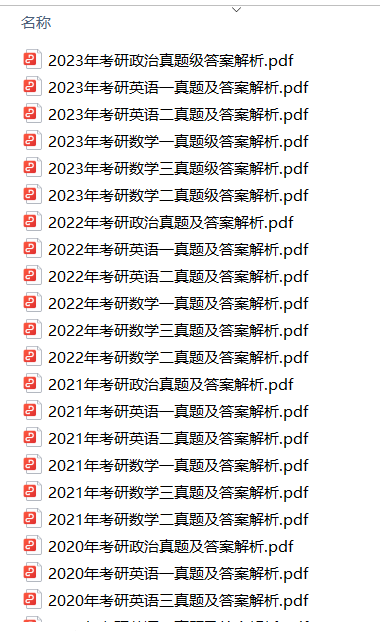
1.2013-2023年近10年政数英真题及解析PDF版(新东方)
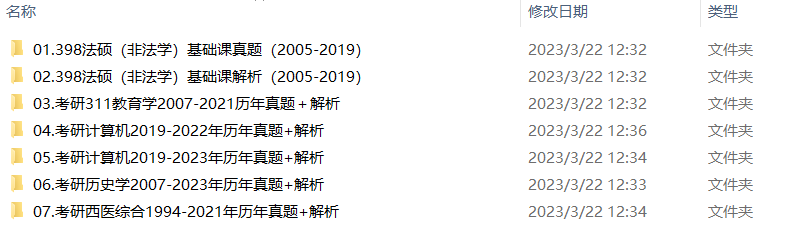
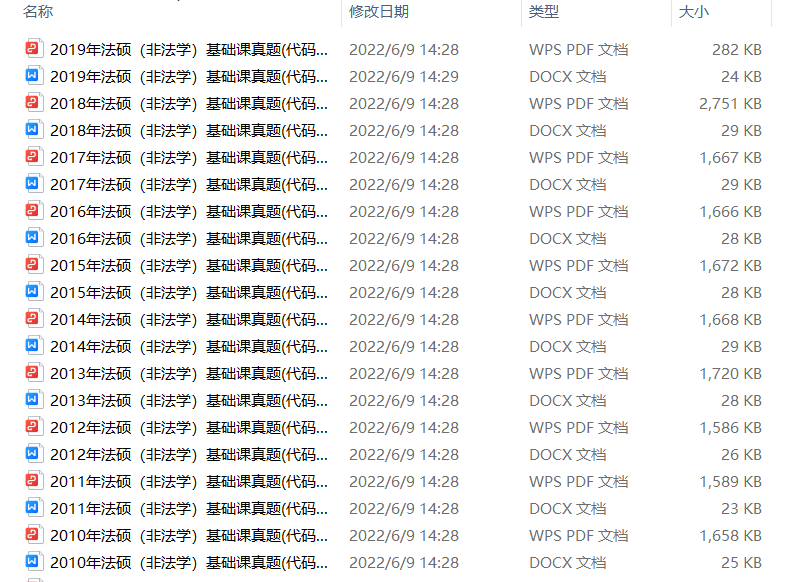
2.2013-2023年专业课考试历年真题及解析PDF版
3.24考研复习备考资料大合集:大纲+备考资料+词汇书+考前押题+自命题
资料介绍:
1.2013-2023年近10年政数英真题及解析PDF版(新东方)
 、
、
2.2013-2023年专业课考试历年真题及解析PDF版
3.24考研复习备考资料大合集
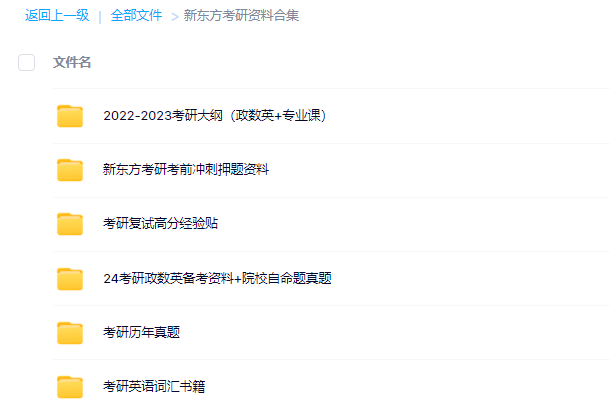
3.24考研复习备考资料:考研大纲
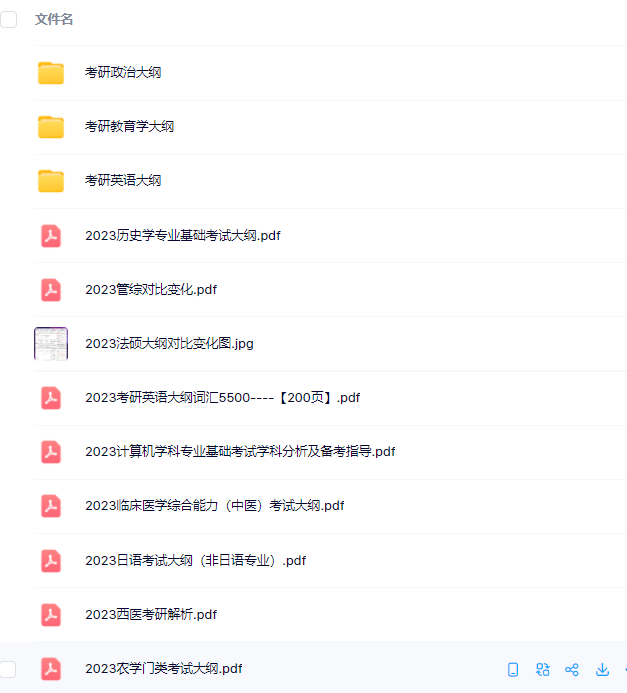
3.24考研复习备考资料:政数英备考资料+自命题真题
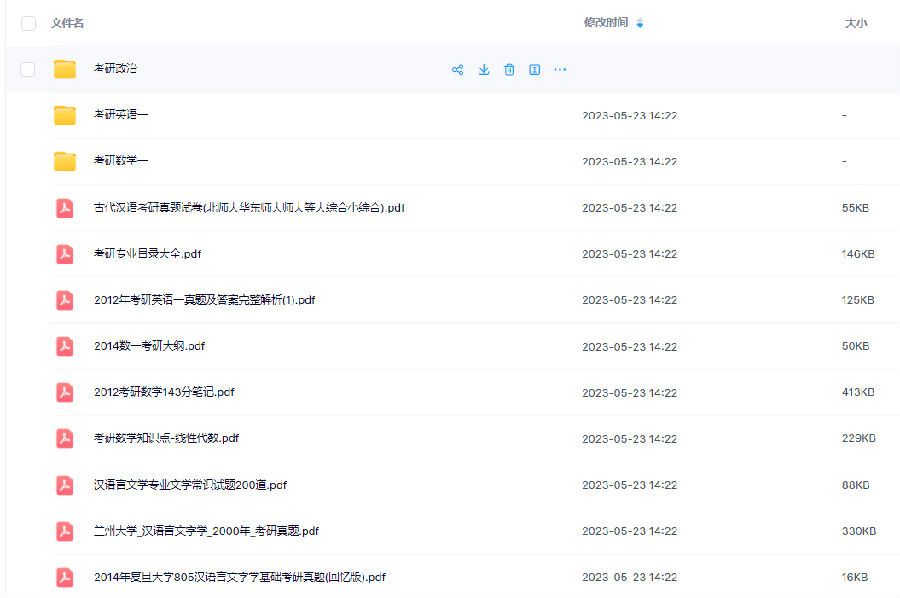
------------------
考研备考过程中,尤其是专业课部分,参考往年的考试真题,对于我们的复习有更好的帮助。北京大学考研真题资料都有哪些?小编为大家进行了汇总。

北京大学考研真题资料-公共课
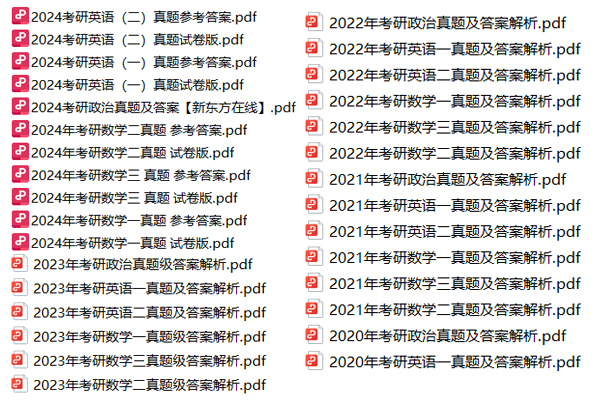
北京大学考研真题资料-专业课
以上就是关于“北京大学考研真题资料下载(历年汇总)”的整理,更多考研资料下载,请关注微信获取下载地址。
2024考研公共课必背知识点汇总
发布时间:2023-01-03扫码添加【考研班主任】
即可领取资料包
2013-2023考研历年真题汇总
发布时间:2023-01-03扫码添加【考研班主任】
即可领取资料包
考研英语大纲词汇(PDF可打印)
发布时间:2023-01-03扫码添加【考研班主任】
即可领取资料包
2024考研专业课知识点总结
发布时间:2023-01-03扫码添加【考研班主任】
即可领取资料包
2023考研政治 内部押题 PDF
发布时间:2022-11-16扫码添加【考研班主任】
即可领取资料包
徐涛:23考研预测六套卷
发布时间:2022-11-16扫码添加【考研班主任】
即可领取资料包
考研政数英冲刺资料最新整理
发布时间:2022-11-16扫码添加【考研班主任】
即可领取资料包
23考研答题卡模板打印版
发布时间:2022-11-16扫码添加【考研班主任】
即可领取资料包
2023考研大纲词汇5500PDF电子版
发布时间:2022-07-28扫码添加【考研班主任】
即可领取资料包
考研历年真题(公共课+专业课)
发布时间:2022-07-28扫码添加【考研班主任】
即可领取资料包
考研英语阅读100篇附解析及答案
发布时间:2022-01-07扫码添加【考研班主任】
即可领取资料包
新东方考研学霸笔记整理(打印版)
发布时间:2022-01-07扫码添加【考研班主任】
即可领取资料包
2001-2021年考研英语真题答案(可打印版)
发布时间:2022-01-07扫码添加【考研班主任】
即可领取资料包
考研英语词汇5500(完整版下载)
发布时间:2022-01-07扫码添加【考研班主任】
即可领取资料包
2022考研政审表模板精选10套
发布时间:2022-01-07扫码添加【考研班主任】
即可领取资料包
历年考研真题及答案 下载
发布时间:2021-12-09扫码添加【考研班主任】
即可领取资料包
考研政审表模板汇总
发布时间:2020-06-17扫码添加【考研班主任】
即可领取资料包
近5年考研英语真题汇总
发布时间:2020-06-17扫码添加【考研班主任】
即可领取资料包
考研英语大纲词汇5500
发布时间:2020-06-17扫码添加【考研班主任】
即可领取资料包
2022考研12大学科专业排名汇总
发布时间:2019-11-21扫码添加【考研班主任】
即可领取资料包
2023考研政治复习备考资料【珍藏版】
发布时间:2019-11-21扫码添加【考研班主任】
即可领取资料包
考研英语万能模板+必备词汇+范文
发布时间:2019-11-21扫码添加【考研班主任】
即可领取资料包
考研数学一、二、三历年真题整理
发布时间:2019-11-21扫码添加【考研班主任】
即可领取资料包

添加班主任领资料
添加考研班主任
免费领取考研历年真题等复习干货资料

 推荐阅读
推荐阅读
为了让考研的同学更高效地复习考研英语,新东方在线考研频道整理了“考研英语1阅读错几个后的复习计划”,考研的同学可以了解一下,希望对大家有所帮助。
为了让考研的同学更高效地复习考研英语,新东方在线考研频道整理了“考研英语二阅读篇数及题型分析”,考研的同学可以了解一下,希望对大家有所帮助。
为了让考研的同学更高效地复习考研英语,新东方在线考研频道整理了“考研英语阅读理解的总结与反思”,考研的同学可以了解一下,希望对大家有所帮助。
来源 : 网络 2025-06-13 08:02:00 关键字 : 考研英语阅读理解
为了让考研的同学更高效地复习考研英语,新东方在线考研频道整理了“提高考研英语一阅读理解的五大策略”,考研的同学可以了解一下,希望对大家有所帮助。
为了让考研的同学更高效地复习考研英语,新东方在线考研频道整理了“探索考研英语阅读文章的逻辑结构”,考研的同学可以了解一下,希望对大家有所帮助。
来源 : 网络 2025-06-12 08:03:00 关键字 : 考研英语阅读
资料下载
扫码添加【考研班主任】
即可领取资料包
扫码添加【考研班主任】
即可领取资料包
扫码添加【考研班主任】
即可领取资料包
扫码添加【考研班主任】
即可领取资料包
扫码添加【考研班主任】
即可领取资料包
扫码添加【考研班主任】
即可领取资料包
新东方在线考研资料合集
下载方式:微信扫码,获取网盘链接
目录:
1.2013-2023年近10年政数英真题及解析PDF版(新东方)
2.2013-2023年专业课考试历年真题及解析PDF版
3.24考研复习备考资料大合集:大纲+备考资料+词汇书+考前押题+自命题
资料介绍:
1.2013-2023年近10年政数英真题及解析PDF版(新东方)
、
2.2013-2023年专业课考试历年真题及解析PDF版
3.24考研复习备考资料大合集
3.24考研复习备考资料:考研大纲
3.24考研复习备考资料:政数英备考资料+自命题真题
------------------
考研备考过程中,尤其是专业课部分,参考往年的考试真题,对于我们的复习有更好的帮助。北京大学考研真题资料都有哪些?小编为大家进行了汇总。
北京大学考研真题资料-公共课
北京大学考研真题资料-专业课
以上就是关于“北京大学考研真题资料下载(历年汇总)”的整理,更多考研资料下载,请关注微信获取下载地址。
扫码添加【考研班主任】
即可领取资料包
扫码添加【考研班主任】
即可领取资料包
扫码添加【考研班主任】
即可领取资料包
扫码添加【考研班主任】
即可领取资料包
扫码添加【考研班主任】
即可领取资料包
扫码添加【考研班主任】
即可领取资料包
扫码添加【考研班主任】
即可领取资料包
扫码添加【考研班主任】
即可领取资料包
扫码添加【考研班主任】
即可领取资料包
扫码添加【考研班主任】
即可领取资料包
扫码添加【考研班主任】
即可领取资料包
扫码添加【考研班主任】
即可领取资料包
扫码添加【考研班主任】
即可领取资料包
扫码添加【考研班主任】
即可领取资料包
扫码添加【考研班主任】
即可领取资料包
扫码添加【考研班主任】
即可领取资料包
扫码添加【考研班主任】
即可领取资料包
扫码添加【考研班主任】
即可领取资料包
扫码添加【考研班主任】
即可领取资料包
扫码添加【考研班主任】
即可领取资料包
扫码添加【考研班主任】
即可领取资料包
扫码添加【考研班主任】
即可领取资料包
扫码添加【考研班主任】
即可领取资料包
 阅读排行榜
阅读排行榜
 相关内容
相关内容



 公开课
公开课 网友热搜
网友热搜