特惠-27考研
早鸟-28考研课
双证硕士:在线咨询
免联考-同等学力
在职研:1对1答疑
新东方考研Ai择校
考研英语水平测试
计算机考研:择校备考包
法硕:择校备考大礼包
保研-路线图
必备:考研招简大合集
考研备考:重点复习资料
27考研-新大纲对比
扫码加入训练营
牢记核心词
学习得礼盒
Various accounts have traced the “Big Apple” expression to Depression-Era sidewalk apple vendors, a Harlem night club and a popular 1930s dance known as the “Big Apple.” One fanciful version even links the name with a notorious 19th-century procuress!
In fact, it was the jazz musicians of the 1930s and ‘40s who put the phrase into more or less general circulation. If a jazzman circa 1940 told you he had a gig in the “Big Apple,” you knew he had an engagement to play in the most coveted venue of all, Manhattan, where the audience was the biggest, hippest, and most appreciative in the country.
The older generation of jazzmen specifically credit Fletcher Henderson, one of the greatest of the early BigBand leaders and arrangers, with popularizing it, but such things are probably impossible to document. Be that as it may, the ultimate source actually was not the jazz world but the racetrack.
As Damon Runyon (among many others) cheerfully pointed out, New York in those days offered a betting man a lot of places to go broke. There were no fewer than four major tracks nearby, and it required no fewer than three racing journals to cover such a lively scene—The Daily Racing Form (which still survives on newsstands today) and The Running Horse and The New York Morning Telegraph (which do not)—and the ultimate credit for marrying New York to its durable catchphrase goes to columnist John J. FitzGerald who wrote for the Telegraph for over 20 years.
Despite its turf-related origins, by the 1930s and ‘40s, the phrase had become firmly linked to the city’s jazzscene. “Big Apple” was the name both of a popular night club at West 135th Street and Seventh Avenue in Harlem and a jitterbug-style group dance that originated in the South, became a huge phenomenon at Harlem‘s great Savoy Ballroom and rapidly spread across the country. (Neat cultural footnote: the great African-American cinema pioneer Oscar Micheaux liked to use the Big Apple as a venue for occasional screenings of his latest feature film or documentary.)
A film short called The Big Apple came out in 1938, with an all-Black cast featuring Herbert “Whitey” White‘s Lindy Hoppers, Harlem’s top ballroom dancers in the Swing Era. In a book published the same year, bandleader Cab Calloway used the phrase “Big Apple” to mean “the big town, the main stem, Harlem.” Anyonewho loved the city would have readily agreed with Jack FitzGerald: “There‘s only one Big Apple. That’s New York.”
The term had grown stale and was in fact generally forgotten by the 1970s. Then Charles Gillett, head of the New York Convention & Visitors Bureau, got the idea of reviving it. The agency was desperately trying to attract tourists to the town. Mayor John Lindsay had dubbed “Fun City,” but which had become better-known for its blackouts, strikes, street crime and occasional riots. What could be a more wholesome symbol of renewal than a plump red apple?
The city‘s industrial-strength campaign was launched toward the end of the Lindsay administration in 1971, complete with a cheerful Big Apple logo in innumerable forms (lapel pins, buttons, bumper stickers, refrigerator magnets, shopping bags, ashtrays, ties, tie tacks, “Big Apple” T-shirts, etc.)。
Apparently Gillett was on to something, because at this writing, over 35 years later, the campaign he launched—it won him a Tourism Achievement award in 1994, by the way—is still going strong.
1. Read the first paragraph and then choose the correct one.
[A] “Big Apple” is a name of New York.
[B] There are many reasons for the name “Big Apple”……
[C] People are likely to call New York City “Big Apple”
[D] The name “Big Apple” is a name of New York City in the history.
2. According to the author, what‘s the reason for the name “Big Apple”?
[A] He thought that the name “Big Apple” could not be traced as many people‘s saying.
[B] He thought that the name “Big Apple” was something about jazz musicians.
[C] He thought that initially the name “Big Apple”was a name for Manhattan, not for New York City.
[D] He thought that the name “Big Apple” was named by jazz musicians.
3. According to Cab Calloway‘s book, what’s the meaning of the phrase “Big Apple”?
[A] A name of club in his book.
[B] A name of drama mentioned in his book.
[C] It meant the big town, the main stem, Harlem.
[D] It was just a name and had no means.
4.How did they revive the name “Big Apple” by the 1970s?
[A] By announced a new slogan.
[B] By announce that a plump red apple is a symbol of health.
[C] By put an end to New York‘s occasional riots.
[D] By put an end to New York‘s street crimes.
5.What‘s the industrial-strength campaign’s effect which was launched toward the end of the Lindsay administration in 1971?
[A] It led to a trend of widely used of the phrase “Big Apple”。
[B] It made the phrase “Big Apple” have new meanings.
[C] The campaign is good for the reviving of the name “Big City”。
[D] The campaign lead to the name‘s widely use which was good for its reviving.
【英语阅读资料】这里有↑↑↑
 资料下载
资料下载
2014年-2025年考研历年真题汇总
发布时间:2024-04-25扫码添加【考研班主任】
即可领取资料包
考研大纲PDF电子版下载-历年(附解析)
发布时间:2024-04-25扫码添加【考研班主任】
即可领取资料包
2026年考研政数英备考资料zip压缩包
发布时间:2024-04-25扫码添加【考研班主任】
即可领取资料包
考研英语大纲词汇5500打印版(基础必备)
发布时间:2024-04-25扫码添加【考研班主任】
即可领取资料包
新东方在线考试模拟题【12套】
发布时间:2024-04-25扫码添加【考研班主任】
即可领取资料包
2026年考研专业课知识点总结
发布时间:2024-04-25扫码添加【考研班主任】
即可领取资料包
新东方考研资料下载地址
发布时间:2023-05-17新东方在线考研资料合集
下载方式:微信扫码,获取网盘链接
目录:
1.2013-2023年近10年政数英真题及解析PDF版(新东方)
2.2013-2023年专业课考试历年真题及解析PDF版
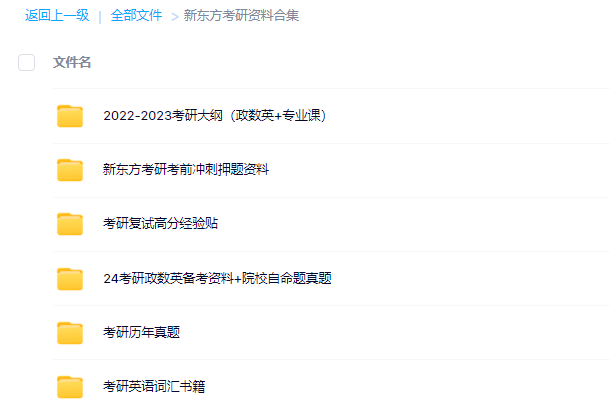
3.24考研复习备考资料大合集:大纲+备考资料+词汇书+考前押题+自命题
资料介绍:
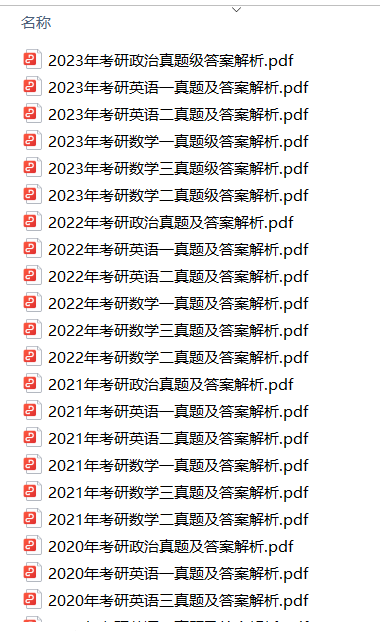
1.2013-2023年近10年政数英真题及解析PDF版(新东方)
 、
、
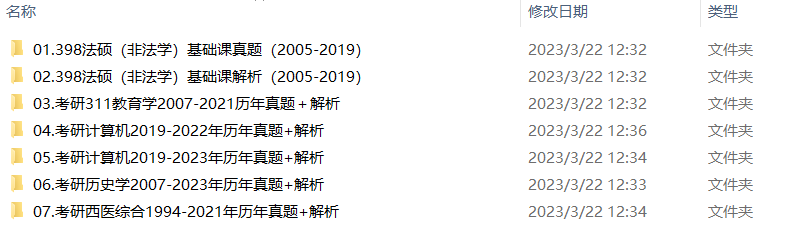
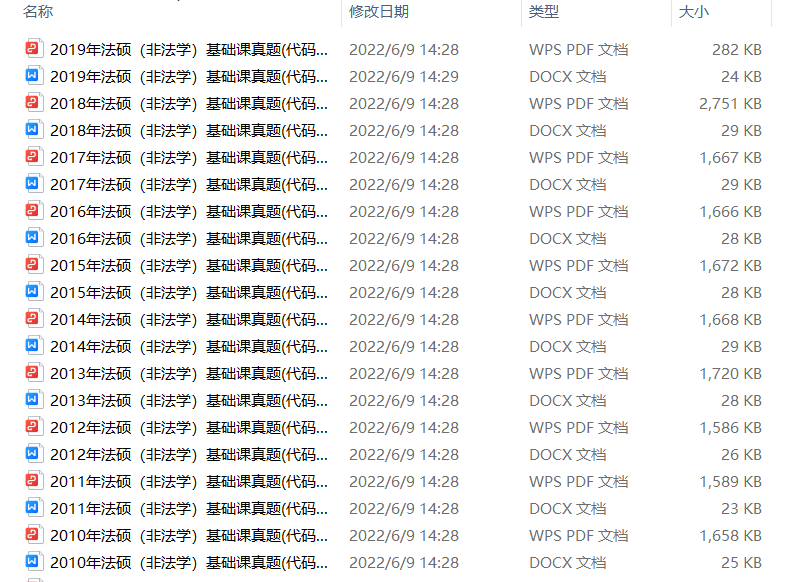
2.2013-2023年专业课考试历年真题及解析PDF版
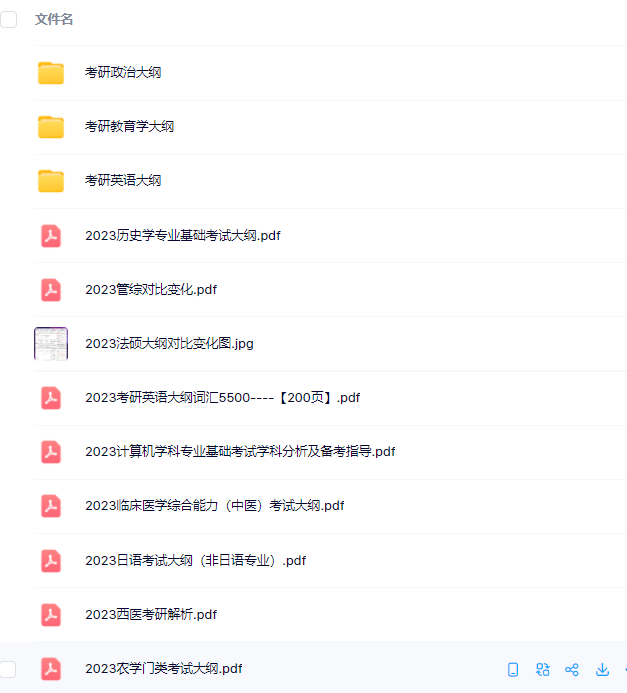
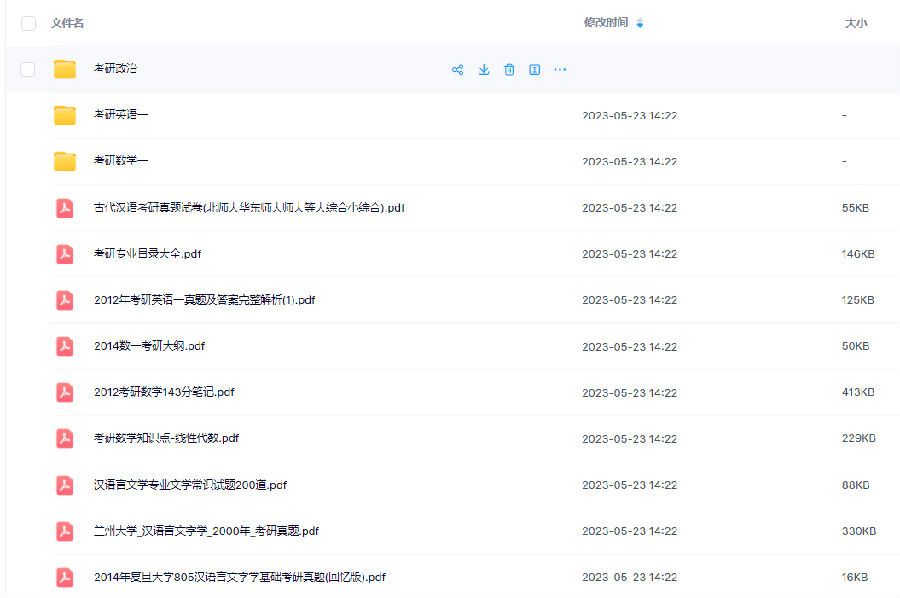
3.24考研复习备考资料大合集
3.24考研复习备考资料:考研大纲
3.24考研复习备考资料:政数英备考资料+自命题真题
------------------
考研备考过程中,尤其是专业课部分,参考往年的考试真题,对于我们的复习有更好的帮助。北京大学考研真题资料都有哪些?小编为大家进行了汇总。

北京大学考研真题资料-公共课
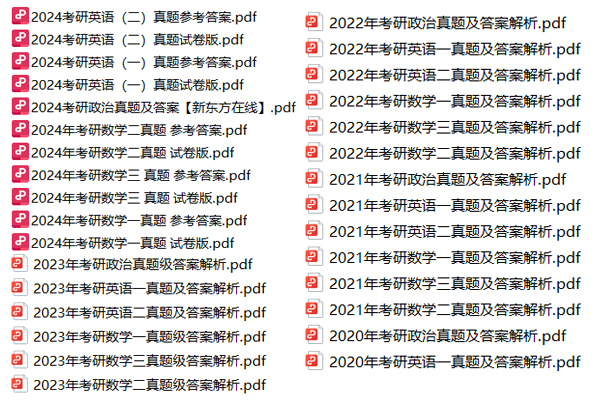
北京大学考研真题资料-专业课
以上就是关于“北京大学考研真题资料下载(历年汇总)”的整理,更多考研资料下载,请关注微信获取下载地址。
2024考研公共课必背知识点汇总
发布时间:2023-01-03扫码添加【考研班主任】
即可领取资料包
2013-2023考研历年真题汇总
发布时间:2023-01-03扫码添加【考研班主任】
即可领取资料包
考研英语大纲词汇(PDF可打印)
发布时间:2023-01-03扫码添加【考研班主任】
即可领取资料包
2024考研专业课知识点总结
发布时间:2023-01-03扫码添加【考研班主任】
即可领取资料包
2023考研政治 内部押题 PDF
发布时间:2022-11-16扫码添加【考研班主任】
即可领取资料包
徐涛:23考研预测六套卷
发布时间:2022-11-16扫码添加【考研班主任】
即可领取资料包
考研政数英冲刺资料最新整理
发布时间:2022-11-16扫码添加【考研班主任】
即可领取资料包
23考研答题卡模板打印版
发布时间:2022-11-16扫码添加【考研班主任】
即可领取资料包
2023考研大纲词汇5500PDF电子版
发布时间:2022-07-28扫码添加【考研班主任】
即可领取资料包
考研历年真题(公共课+专业课)
发布时间:2022-07-28扫码添加【考研班主任】
即可领取资料包
考研英语阅读100篇附解析及答案
发布时间:2022-01-07扫码添加【考研班主任】
即可领取资料包
新东方考研学霸笔记整理(打印版)
发布时间:2022-01-07扫码添加【考研班主任】
即可领取资料包
2001-2021年考研英语真题答案(可打印版)
发布时间:2022-01-07扫码添加【考研班主任】
即可领取资料包
考研英语词汇5500(完整版下载)
发布时间:2022-01-07扫码添加【考研班主任】
即可领取资料包
2022考研政审表模板精选10套
发布时间:2022-01-07扫码添加【考研班主任】
即可领取资料包
历年考研真题及答案 下载
发布时间:2021-12-09扫码添加【考研班主任】
即可领取资料包
考研政审表模板汇总
发布时间:2020-06-17扫码添加【考研班主任】
即可领取资料包
近5年考研英语真题汇总
发布时间:2020-06-17扫码添加【考研班主任】
即可领取资料包
考研英语大纲词汇5500
发布时间:2020-06-17扫码添加【考研班主任】
即可领取资料包
2022考研12大学科专业排名汇总
发布时间:2019-11-21扫码添加【考研班主任】
即可领取资料包
2023考研政治复习备考资料【珍藏版】
发布时间:2019-11-21扫码添加【考研班主任】
即可领取资料包
考研英语万能模板+必备词汇+范文
发布时间:2019-11-21扫码添加【考研班主任】
即可领取资料包
考研数学一、二、三历年真题整理
发布时间:2019-11-21扫码添加【考研班主任】
即可领取资料包

添加班主任领资料
添加考研班主任
免费领取考研历年真题等复习干货资料
 推荐阅读
推荐阅读
为了让考研的同学更高效地复习考研英语,新东方在线考研频道整理了“考研英语1阅读错几个后的复习计划”,考研的同学可以了解一下,希望对大家有所帮助。
为了让考研的同学更高效地复习考研英语,新东方在线考研频道整理了“考研英语二阅读篇数及题型分析”,考研的同学可以了解一下,希望对大家有所帮助。
为了让考研的同学更高效地复习考研英语,新东方在线考研频道整理了“考研英语阅读理解的总结与反思”,考研的同学可以了解一下,希望对大家有所帮助。
来源 : 网络 2025-06-13 08:02:00 关键字 : 考研英语阅读理解
为了让考研的同学更高效地复习考研英语,新东方在线考研频道整理了“提高考研英语一阅读理解的五大策略”,考研的同学可以了解一下,希望对大家有所帮助。
为了让考研的同学更高效地复习考研英语,新东方在线考研频道整理了“探索考研英语阅读文章的逻辑结构”,考研的同学可以了解一下,希望对大家有所帮助。
来源 : 网络 2025-06-12 08:03:00 关键字 : 考研英语阅读
资料下载
扫码添加【考研班主任】
即可领取资料包
扫码添加【考研班主任】
即可领取资料包
扫码添加【考研班主任】
即可领取资料包
扫码添加【考研班主任】
即可领取资料包
扫码添加【考研班主任】
即可领取资料包
扫码添加【考研班主任】
即可领取资料包
新东方在线考研资料合集
下载方式:微信扫码,获取网盘链接
目录:
1.2013-2023年近10年政数英真题及解析PDF版(新东方)
2.2013-2023年专业课考试历年真题及解析PDF版
3.24考研复习备考资料大合集:大纲+备考资料+词汇书+考前押题+自命题
资料介绍:
1.2013-2023年近10年政数英真题及解析PDF版(新东方)
、
2.2013-2023年专业课考试历年真题及解析PDF版
3.24考研复习备考资料大合集
3.24考研复习备考资料:考研大纲
3.24考研复习备考资料:政数英备考资料+自命题真题
------------------
考研备考过程中,尤其是专业课部分,参考往年的考试真题,对于我们的复习有更好的帮助。北京大学考研真题资料都有哪些?小编为大家进行了汇总。
北京大学考研真题资料-公共课
北京大学考研真题资料-专业课
以上就是关于“北京大学考研真题资料下载(历年汇总)”的整理,更多考研资料下载,请关注微信获取下载地址。
扫码添加【考研班主任】
即可领取资料包
扫码添加【考研班主任】
即可领取资料包
扫码添加【考研班主任】
即可领取资料包
扫码添加【考研班主任】
即可领取资料包
扫码添加【考研班主任】
即可领取资料包
扫码添加【考研班主任】
即可领取资料包
扫码添加【考研班主任】
即可领取资料包
扫码添加【考研班主任】
即可领取资料包
扫码添加【考研班主任】
即可领取资料包
扫码添加【考研班主任】
即可领取资料包
扫码添加【考研班主任】
即可领取资料包
扫码添加【考研班主任】
即可领取资料包
扫码添加【考研班主任】
即可领取资料包
扫码添加【考研班主任】
即可领取资料包
扫码添加【考研班主任】
即可领取资料包
扫码添加【考研班主任】
即可领取资料包
扫码添加【考研班主任】
即可领取资料包
扫码添加【考研班主任】
即可领取资料包
扫码添加【考研班主任】
即可领取资料包
扫码添加【考研班主任】
即可领取资料包
扫码添加【考研班主任】
即可领取资料包
扫码添加【考研班主任】
即可领取资料包
扫码添加【考研班主任】
即可领取资料包
 阅读排行榜
阅读排行榜
 相关内容
相关内容


 公开课
公开课 网友热搜
网友热搜