特惠-27考研
早鸟-28考研课
双证硕士:在线咨询
免联考-同等学力
在职研:1对1答疑
新东方考研Ai择校
考研英语水平测试
计算机考研:择校备考包
法硕:择校备考大礼包
保研-路线图
必备:考研招简大合集
考研备考:重点复习资料
27考研-新大纲对比

扫码加入训练营
牢记核心词
学习得礼盒
考研英语阅读能力提升需要不断地积累练习,通过多阅读来积累词汇,提升阅读速度,强化把握主旨能力。2017考研复习之初,时间相对充裕,新东方在线建议大家每天多做一些阅读,可娱乐也可增长见闻,还能提升能力。下面一篇文章是关于教育中的不公平现象。
2017考研英语拓展阅读:教育中的不公平现象
NO CAR may honk nor lorry rumble near secondary schools on the two days when students are taking their university entrance exams, known as gaokao. Teenagers have been cramming for years for these tests, which they believe (with justification) will determine their entire future. Yet it is at an earlier stage of education that an individual’s life chances in China are usually mapped out, often in ways that are deeply unfair.
在高考---也就是中国高等学校入学考试的两天内,在高中附近的地方不能有嗡嗡的汽车喇叭声,更不能有轰隆隆的货车通行。为了此次高考,学生们已经进行多年填鸭式地学习,他们认为(有充分的理由),这次考试将会决定他们的一生。不过,其实在教育更为早期的阶段,个人的生活已经被决定了,而且通常是以不太公平的方式。
To give more students access to higher education, the government has increased its investment in the sector five fold since 1997. The number of universities has nearly doubled. In 1998 46% of secondary-school graduates went on to university. Now 88% of them do. About 7m people—roughly one-third of those aged between 18 and 22—now gain entry to some form of higher institution each year.
为了给更多学生接受高等教育的机会,政府自1997年以来,在教育领域的投资增加了5倍之多。大学的数目几乎增加一倍。在1998年,有46%的高中生上大学,而现在有88%的高中生上大学。每年大概有700万人,也就是18岁到22岁年轻人的三分之一,有机会接受高一级的教育。
China’s universities offer more opportunity for social mobility than those in many other countries, says James Lee of Hong Kong University of Science and Technology. But the social backgrounds of those admitted have been changing. Until 1993, more than 40% of students were the children of farmers or factory workers. Now universities are crammed with people from wealthy, urban backgrounds. That is partly because a far bigger share of young people are middle-class. But it is also because rural Chinese face bigger hurdles getting into them than they used to.
香港科技大学的詹姆斯.李称,中国的大学和其他国家相比,提供了更多的社会流动性。但入学学生的社会背景已经发生变化。直到1993,有超四成的学生来自农民或工人家庭。而现在的学生都是来自城市中的富裕家庭。这可能是因为很大一部分的年轻人来自中产阶级,但也是因为中国的农民正面临前所未有的困难。
The problem lies with inequality of access to senior high schools, which take students for the final three years of their secondary education. Students from rural backgrounds who go to such schools perform as well in the university entrance exams as those from urban areas. But most never get there. Less than 10% of young people in the countryside go to senior high schools compared with 70% of their urban counterparts. The result is that a third of urban youngsters complete tertiary education, compared with only 8% of young rural adults.
问题在于高中阶段的不公平,在高中,学生将会完成第二阶段教育的最后三年。进入高中的农村学生,和那些城市学生在高考中表现的一样好。但大部分农村学生都没有机会进入高中学习。不到一成的农村年轻人会上高中,而7成的城市年轻人会上高中,这也导致有三分之一的城市年轻人能够完成他们的第三阶段教育---大学,而农村学生仅有8%的比例。
One reason is that junior high schools in the countryside are far weaker academically than urban ones. Local governments invest less in them per student than they do in cities. Urban parents tend to be better educated and thus better able to help children with their studies.
一个原因是农村的初中教育质量远低于城市。对每个学生的人均投入,地方政府给城市的,要远多于农村。而且城市的父母教育程度更高,能更好地辅导学生的学习。
Expense is a huge deterrent for many. Governments cover the costs of schooling for the nine years of compulsory education up to the age of around 15. But at senior high schools, families must pay tuition and other expenses; these outlays are among the highest in the world (measured by purchasing-power parity). Many students drop out of junior high school—which isfree—because rising wages in low-skilled industrial work make the prospect of staying at school even less attractive. Millions enter the workforce every year who are barely literate or numerate。
此外,费用问题对农村学生来说也是一大障碍。在九年义务教育阶段,也就是到学生大概15岁左右,政府负责学生上学的费用,但是上高中,农民们就需要自己付学费和其他费用。(根据购买力测算),中国的这类费用,在全世界范围内都属于高昂的。而且,还有很多学生在免费的初中就辍学,因为工业的低技术工种工资不断上升,也让继续求学的吸引力越来越低。成千上万的年轻人进入社会,而这些人还属于半文盲。
ince the 1990s more than 200m people have moved from the countryside to work in cities. Many have left their children behind because of the difficulty of getting them into urban schools: the country’s system of hukou, or household registration, makes it hard for migrant children to enjoy subsidised education in places other than their parents’ birthplace.
从上世纪90年代开始,有2亿人从农村进入城市。有很多人因为无法将孩子送到城市中的学校,而把他们留到了老家:中国的户口系统使农民工的孩子,无法在他们父母出生地之外享受义务教育。
Unnatural selection
非自然的选择
Children from poor backgrounds who do make it as far as the gaokao face another difficulty: competition with better-prepared candidates from 700 or so feeder (usually known as “keypoint”) schools. These receive more funding per student than average schools, have better teachers and plusher facilities. They are supposed to train the brightest students, but many get in with the help of money and connections.
来自贫困家庭的学生即使能参加高考,也会面临另一重困难:和来自大约700余所重点中学的学生竞争。这里的学生和普通学生相比,国家对每个学生的投入更多,拥有更好的教师和昂贵的器材。他们本应该教育最优秀的学生,但很多学生是通过金钱和关系进去的。
Hoping to make the system fairer, some feeder schools now allocate places on the basis of pupils’ proximity. Inevitably, this has sent local house prices skyrocketing, reinforcing the schools’ privileged intake by a different means.
为了使教育体系更公平,一些重点学生以距离学校远近来招收学生。不可避免地,这使当地房价快速上涨,同时,也阻止有采用各种特殊方法进入学校的新生。
Some of the feeder schools channel their pupils into the best universities via an alternative route to the gaokao. The Ministry of Education introduced this in 2003 to reward people with “special talents” that are tricky to assess through standardized tests, such as innovative thinking, creativity, or skills in sport or art. This was supposed to make the types of students attending university more varied. Instead it has increased inequality, by giving advantages to those who have benefited from the superior facilities of key point schools.
一些重点高中还通过替代通道送其学生进入重点大学。中国教育部在2003年奖励一些通过高考有难度的“特殊人才”,包括有创新思维,或者体育、艺术特长。这本是想让更多类型的学生能进入不同的大学学习,但与此相反,它反而助涨了不公平,特别是那些通过不公平手段进入重点高中的那群人。
The government is trying to reduce other unfairnesses, too. But it has been tough going: those who benefit from unequal opportunities are unsurprisingly reluctant to cede their privileges. This was evident from the outcry that followed an announcement last month that 12 provinces and cities would have to reduce quotas for local students at their universities. These allow universities to accept local students even though they may have lower gaokao scores than those from elsewhere. The news triggered protests in three cities by parents who worried about losing a precious advantage for their children.
政府也在尝试降低不公平性,但这相当困难:那些享受到不公平机会的人不愿放弃自己的特权。这个道理显而易见,特别是上个月12个省市宣布降低本地学生的录取名额通告后,爆发的那场抗议。原来,即使本地学生的高考分数线比其他地方略低,本地大学仍会录取。这条消息导致三个地方的家长进行抗议,他们担心这将会影响到自己的孩子。

【英语阅读资料】这里有↑↑↑

 资料下载
资料下载
2014年-2025年考研历年真题汇总
发布时间:2024-04-25扫码添加【考研班主任】
即可领取资料包
考研大纲PDF电子版下载-历年(附解析)
发布时间:2024-04-25扫码添加【考研班主任】
即可领取资料包
2026年考研政数英备考资料zip压缩包
发布时间:2024-04-25扫码添加【考研班主任】
即可领取资料包
考研英语大纲词汇5500打印版(基础必备)
发布时间:2024-04-25扫码添加【考研班主任】
即可领取资料包
新东方在线考试模拟题【12套】
发布时间:2024-04-25扫码添加【考研班主任】
即可领取资料包
2026年考研专业课知识点总结
发布时间:2024-04-25扫码添加【考研班主任】
即可领取资料包
新东方考研资料下载地址
发布时间:2023-05-17新东方在线考研资料合集
下载方式:微信扫码,获取网盘链接

目录:
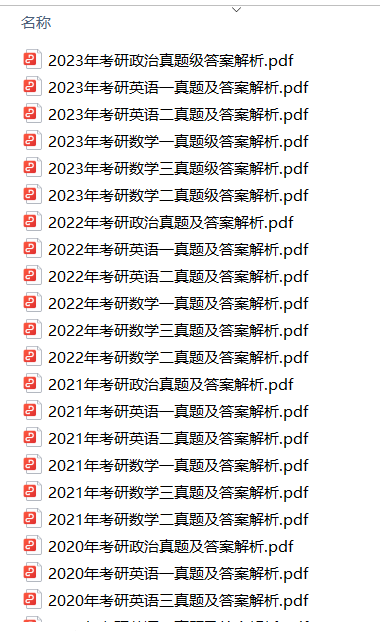
1.2013-2023年近10年政数英真题及解析PDF版(新东方)
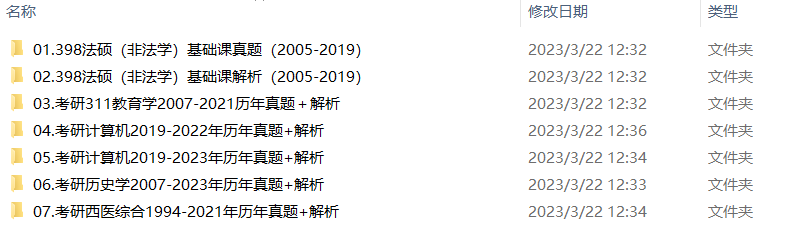
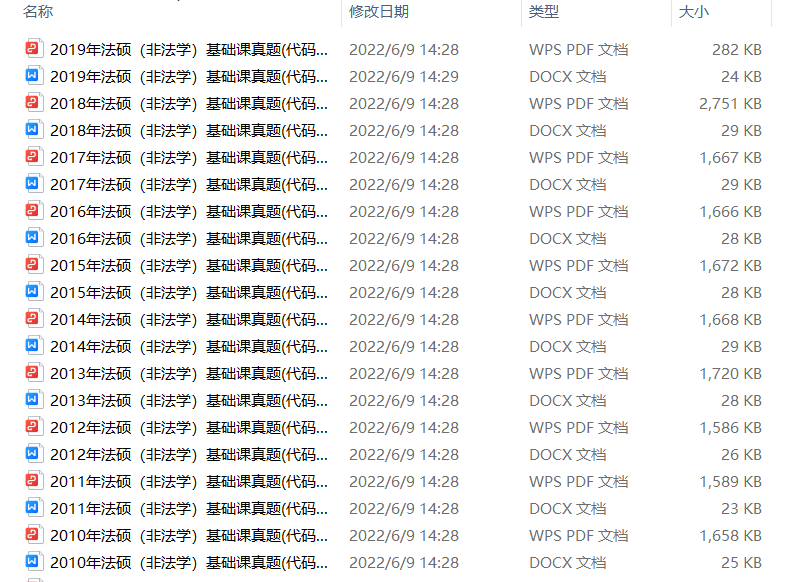
2.2013-2023年专业课考试历年真题及解析PDF版
3.24考研复习备考资料大合集:大纲+备考资料+词汇书+考前押题+自命题
资料介绍:
1.2013-2023年近10年政数英真题及解析PDF版(新东方)
 、
、
2.2013-2023年专业课考试历年真题及解析PDF版
3.24考研复习备考资料大合集
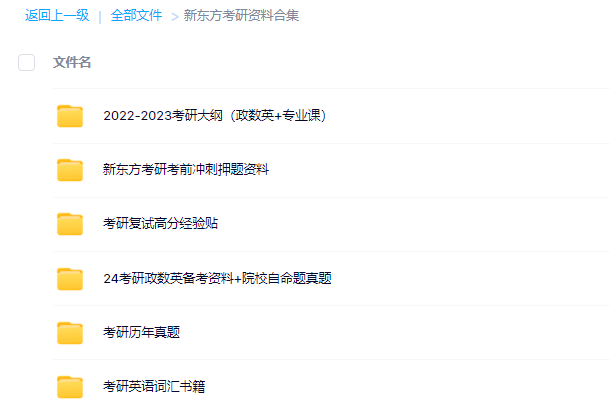
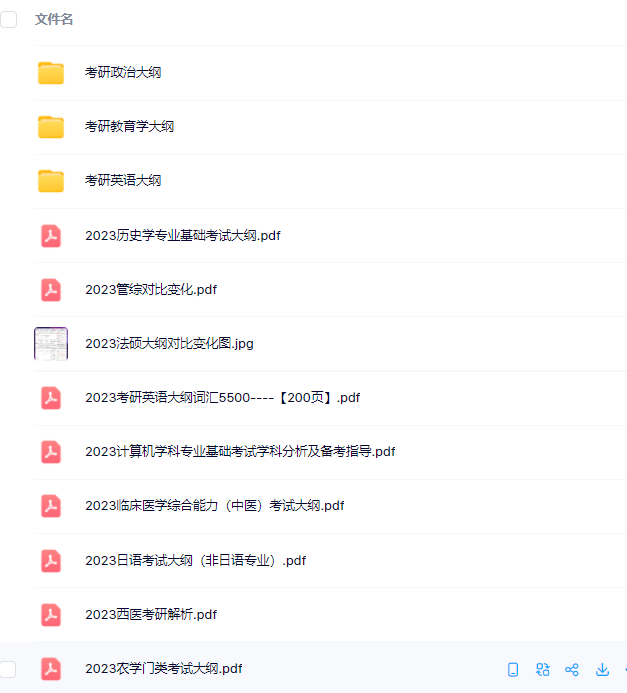
3.24考研复习备考资料:考研大纲
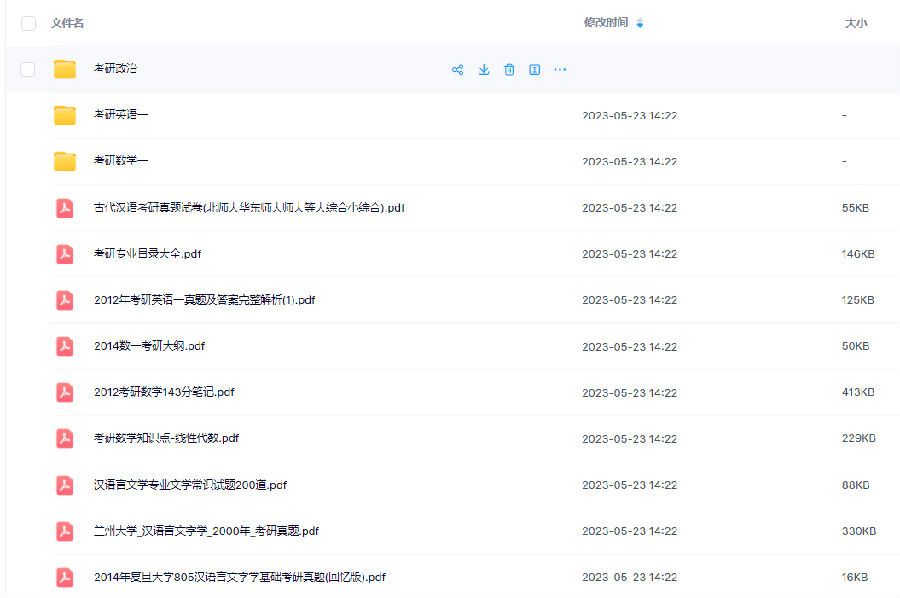
3.24考研复习备考资料:政数英备考资料+自命题真题
------------------
考研备考过程中,尤其是专业课部分,参考往年的考试真题,对于我们的复习有更好的帮助。北京大学考研真题资料都有哪些?小编为大家进行了汇总。

北京大学考研真题资料-公共课
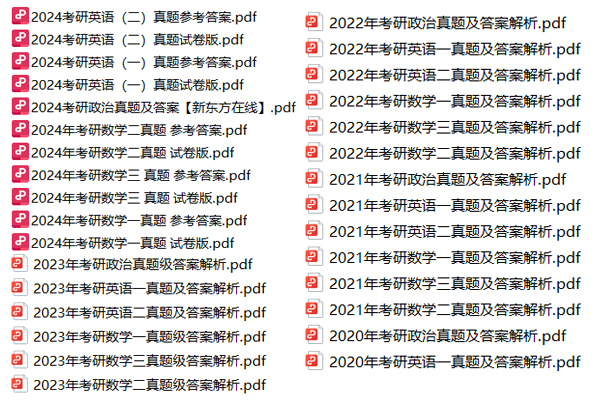
北京大学考研真题资料-专业课
以上就是关于“北京大学考研真题资料下载(历年汇总)”的整理,更多考研资料下载,请关注微信获取下载地址。
2024考研公共课必背知识点汇总
发布时间:2023-01-03扫码添加【考研班主任】
即可领取资料包
2013-2023考研历年真题汇总
发布时间:2023-01-03扫码添加【考研班主任】
即可领取资料包
考研英语大纲词汇(PDF可打印)
发布时间:2023-01-03扫码添加【考研班主任】
即可领取资料包
2024考研专业课知识点总结
发布时间:2023-01-03扫码添加【考研班主任】
即可领取资料包
2023考研政治 内部押题 PDF
发布时间:2022-11-16扫码添加【考研班主任】
即可领取资料包
徐涛:23考研预测六套卷
发布时间:2022-11-16扫码添加【考研班主任】
即可领取资料包
考研政数英冲刺资料最新整理
发布时间:2022-11-16扫码添加【考研班主任】
即可领取资料包
23考研答题卡模板打印版
发布时间:2022-11-16扫码添加【考研班主任】
即可领取资料包
2023考研大纲词汇5500PDF电子版
发布时间:2022-07-28扫码添加【考研班主任】
即可领取资料包
考研历年真题(公共课+专业课)
发布时间:2022-07-28扫码添加【考研班主任】
即可领取资料包
考研英语阅读100篇附解析及答案
发布时间:2022-01-07扫码添加【考研班主任】
即可领取资料包
新东方考研学霸笔记整理(打印版)
发布时间:2022-01-07扫码添加【考研班主任】
即可领取资料包
2001-2021年考研英语真题答案(可打印版)
发布时间:2022-01-07扫码添加【考研班主任】
即可领取资料包
考研英语词汇5500(完整版下载)
发布时间:2022-01-07扫码添加【考研班主任】
即可领取资料包
2022考研政审表模板精选10套
发布时间:2022-01-07扫码添加【考研班主任】
即可领取资料包
历年考研真题及答案 下载
发布时间:2021-12-09扫码添加【考研班主任】
即可领取资料包
考研政审表模板汇总
发布时间:2020-06-17扫码添加【考研班主任】
即可领取资料包
近5年考研英语真题汇总
发布时间:2020-06-17扫码添加【考研班主任】
即可领取资料包
考研英语大纲词汇5500
发布时间:2020-06-17扫码添加【考研班主任】
即可领取资料包
2022考研12大学科专业排名汇总
发布时间:2019-11-21扫码添加【考研班主任】
即可领取资料包
2023考研政治复习备考资料【珍藏版】
发布时间:2019-11-21扫码添加【考研班主任】
即可领取资料包
考研英语万能模板+必备词汇+范文
发布时间:2019-11-21扫码添加【考研班主任】
即可领取资料包
考研数学一、二、三历年真题整理
发布时间:2019-11-21扫码添加【考研班主任】
即可领取资料包

添加班主任领资料
添加考研班主任
免费领取考研历年真题等复习干货资料

 推荐阅读
推荐阅读
为了让考研的同学更高效地复习考研英语,新东方在线考研频道整理了“考研英语1阅读错几个后的复习计划”,考研的同学可以了解一下,希望对大家有所帮助。
为了让考研的同学更高效地复习考研英语,新东方在线考研频道整理了“考研英语二阅读篇数及题型分析”,考研的同学可以了解一下,希望对大家有所帮助。
为了让考研的同学更高效地复习考研英语,新东方在线考研频道整理了“考研英语阅读理解的总结与反思”,考研的同学可以了解一下,希望对大家有所帮助。
来源 : 网络 2025-06-13 08:02:00 关键字 : 考研英语阅读理解
为了让考研的同学更高效地复习考研英语,新东方在线考研频道整理了“提高考研英语一阅读理解的五大策略”,考研的同学可以了解一下,希望对大家有所帮助。
为了让考研的同学更高效地复习考研英语,新东方在线考研频道整理了“探索考研英语阅读文章的逻辑结构”,考研的同学可以了解一下,希望对大家有所帮助。
来源 : 网络 2025-06-12 08:03:00 关键字 : 考研英语阅读
资料下载
扫码添加【考研班主任】
即可领取资料包
扫码添加【考研班主任】
即可领取资料包
扫码添加【考研班主任】
即可领取资料包
扫码添加【考研班主任】
即可领取资料包
扫码添加【考研班主任】
即可领取资料包
扫码添加【考研班主任】
即可领取资料包
新东方在线考研资料合集
下载方式:微信扫码,获取网盘链接
目录:
1.2013-2023年近10年政数英真题及解析PDF版(新东方)
2.2013-2023年专业课考试历年真题及解析PDF版
3.24考研复习备考资料大合集:大纲+备考资料+词汇书+考前押题+自命题
资料介绍:
1.2013-2023年近10年政数英真题及解析PDF版(新东方)
、
2.2013-2023年专业课考试历年真题及解析PDF版
3.24考研复习备考资料大合集
3.24考研复习备考资料:考研大纲
3.24考研复习备考资料:政数英备考资料+自命题真题
------------------
考研备考过程中,尤其是专业课部分,参考往年的考试真题,对于我们的复习有更好的帮助。北京大学考研真题资料都有哪些?小编为大家进行了汇总。
北京大学考研真题资料-公共课
北京大学考研真题资料-专业课
以上就是关于“北京大学考研真题资料下载(历年汇总)”的整理,更多考研资料下载,请关注微信获取下载地址。
扫码添加【考研班主任】
即可领取资料包
扫码添加【考研班主任】
即可领取资料包
扫码添加【考研班主任】
即可领取资料包
扫码添加【考研班主任】
即可领取资料包
扫码添加【考研班主任】
即可领取资料包
扫码添加【考研班主任】
即可领取资料包
扫码添加【考研班主任】
即可领取资料包
扫码添加【考研班主任】
即可领取资料包
扫码添加【考研班主任】
即可领取资料包
扫码添加【考研班主任】
即可领取资料包
扫码添加【考研班主任】
即可领取资料包
扫码添加【考研班主任】
即可领取资料包
扫码添加【考研班主任】
即可领取资料包
扫码添加【考研班主任】
即可领取资料包
扫码添加【考研班主任】
即可领取资料包
扫码添加【考研班主任】
即可领取资料包
扫码添加【考研班主任】
即可领取资料包
扫码添加【考研班主任】
即可领取资料包
扫码添加【考研班主任】
即可领取资料包
扫码添加【考研班主任】
即可领取资料包
扫码添加【考研班主任】
即可领取资料包
扫码添加【考研班主任】
即可领取资料包
扫码添加【考研班主任】
即可领取资料包
 阅读排行榜
阅读排行榜
 相关内容
相关内容



 公开课
公开课 网友热搜
网友热搜