特惠-27考研
早鸟-28考研课
双证硕士:在线咨询
免联考-同等学力
在职研:1对1答疑
新东方考研Ai择校
考研英语水平测试
计算机考研:择校备考包
法硕:择校备考大礼包
保研-路线图
必备:考研招简大合集
考研备考:重点复习资料
27考研-新大纲对比
扫码加入训练营
牢记核心词
学习得礼盒
在“They have done their exercises.”这句中,动词由原形do 变成have done的形态,说明这个事情是发生在现在、并处于完成的状态,所以叫现在完成时;
在“They always do their exercises.”中,动词用原形do 的形态,说明这个事情是发生在现在、并且是一般情况下永远如此,所以叫一般现在时。
在这三句话中,动词do 虽然用了不同的形态,其意义没有变化,而是事情发生的时间和状态变了。其余类推。
(三)时态详解
16个时态中,常用的有12个:一般现在时、一般过去时、一般将来时、过去将来时、现在进行时、过去进行时、将来进行时、现在完成时、过去完成时、将来完成时、现在完成进行时和过去完成进行时。其他时态很少单独使用。
下面把各种时态的构成和用法做一个全面的介绍。
1、一般现在时
通常以动词原形表示。主语为第三人称单数时,用现单三形式。
动词be和have(表示“拥有”)各人称的单数形式为:
第一人称单数 | 第二人称单数 | 第三人称单数 | |
Have | Have | Have | Has |
Be | Am | Are | is |
一般现在时的否定式、疑问式和简单回答形式如下:
动词be 与 have(表示“拥有”):否定式直接把not放在动词之后,疑问式直接把动词放在主语之前,见下表:
否定式 | 疑问式 | ||
Be | Have | Be | Have |
I am not (I’m not)… | I have not (haven’t)… | Am i…? | Have i…? |
You are not (aren’t)… | You have not (haven’t)… | Are you…? | Have you…? |
He is not (isn’t)… | He has not (hasn’t)… | Is he …? | Has he …? |
动词be 的否定疑问式和简单回答:
否定疑问式 | 肯定回答 | 否定回答 |
Am I not (aren’t i)…? | Yes, you are. | No, you aren’t |
Are you not (aren’t you)…? | Yes, I am. | No, I’m not. |
Is he not (isn’t he)…? | Yes, he is. | No, he isn’t |
动词be 与 have(表示“拥有”):否定式直接把not放在动词之后,疑问式直接把动词放在主语之前,见下表:
否定式 | 疑问式 | ||
Be | Have | Be | Have |
I am not (I’m not)… | I have not (haven’t)… | Am i…? | Have I …? |
You are not (aren’t)… | You have not (haven’t)… | Are you …? | Have you…? |
He is not (isn’t)… | He has not (hasn’t)… | Is he …? | Has he …? |
动词have(表示“拥有”) 的否定疑问式和简单回答:
否定疑问式 | 肯定回答 | 否定回答 |
Have I not (haven’t i)…? | Yes, you have. | No, you haven’t. |
Have you not (haven’t you)…? | Yes, I have. | No, I haven’t. |
Has he not (hasn’t he)…? | Yes, he has. | No, he hasn’t. |
注意:have 作为行为动词则只能按照行为动词的规则变化。
行为动词(以study为例)一般现在时的否定式、疑问式和简单回答(注意要加助动词do/does)
否定式 | 疑问式 |
I do not (don’t) study | Do I study |
You do not (don’t) study | Do you study |
He does not (doesn’t) study | Does he study |
否定疑问句式 | 简单回答(肯定/否定) |
Do I not (Don’t I) study…? | Yes, I do. No, I don’t. |
Do you not (Don’t you) study…? | Yes, you do. No, you don’t. |
Does he not (Doesn’t he) study…? | Yes, he does. No, he doesn’t. |
2、现在进行时
由助动词be + 现在分词构成。其中be有人称和数的变化,有三种形式:第一人称单数用am, 第三人称单数用is, 其他用are。
现在进行时的否定式是:直接在助动词be后面加上not;疑问式是:把助动词be提到主语之前。以study 为例:
否定式 | 疑问式 |
I am not studying | Am I studying? |
You are not studying, | Are you studying? |
He is not studying. | Is he studying? |
5、一般过去时
一般过去时通常由动词过去式表示。一般过去时的否定式、疑问式和简单回答形式要用助动词do 的过去式did, 同时注意实义动词要用原形。以study 为例,其否定式、疑问式和简单回答形式如下:
否定式 | 疑问式 |
I did not (didn’t) study…. | Did I study…? |
You did not (didn’t) study…. | Did you study…? |
He did not (didn’t) study…. | Did he study…? |
否定疑问式 | 简单回答 (肯定/否定) |
Did I not (Didn’t I) study…? | Yes, you did. No, you didn’t. |
Di you not (Didn’t you) study…? | Yes, I did. No, I didn’t. |
Did he not (Didn’t he) study…? | Yes, he did. No, he didn’t. |
6、过去进行时
由助动词be 的过去式 + 现在分词构成。其中be有人称和数的变化,第一、第三人称单数用was,其他用were.
1)过去进行时动词主要表示在过去某一时刻或某一段时间内正在进行或持续进行的动作。过去进行时经常与过去时配合使用。例如:
This time yesterday, we were having an English lesson. 昨天这个时候,我们正在上英语课。
The teacher was giving us a lesson when Tom walked into the room. 老师在给我们上课时,汤姆走进教室。
While we were having supper, all the lights went out. 我们吃饭的时候,灯灭了。
He was reading while she was setting the table. 她摆桌子时,他在读书。
It was getting dark. The wind was rising. 天渐渐黑下来了。风势增强了。
2)过去进行时动词常用always, continually, frequently 等词连用,表示过去经常发生的行为。这种用法表明带有的感情色彩。例如:
The two brothers were frequently quarreling when they were young. 两兄弟小时候常吵架。
In Qing Dynasty, China was always making concessions to western powers. 清朝时,中国总是对西方列强妥协。
【英语语法资料】这里有↑↑↑
 资料下载
资料下载
2014年-2025年考研历年真题汇总
发布时间:2024-04-25扫码添加【考研班主任】
即可领取资料包
考研大纲PDF电子版下载-历年(附解析)
发布时间:2024-04-25扫码添加【考研班主任】
即可领取资料包
2026年考研政数英备考资料zip压缩包
发布时间:2024-04-25扫码添加【考研班主任】
即可领取资料包
考研英语大纲词汇5500打印版(基础必备)
发布时间:2024-04-25扫码添加【考研班主任】
即可领取资料包
新东方在线考试模拟题【12套】
发布时间:2024-04-25扫码添加【考研班主任】
即可领取资料包
2026年考研专业课知识点总结
发布时间:2024-04-25扫码添加【考研班主任】
即可领取资料包
新东方考研资料下载地址
发布时间:2023-05-17新东方在线考研资料合集
下载方式:微信扫码,获取网盘链接
目录:
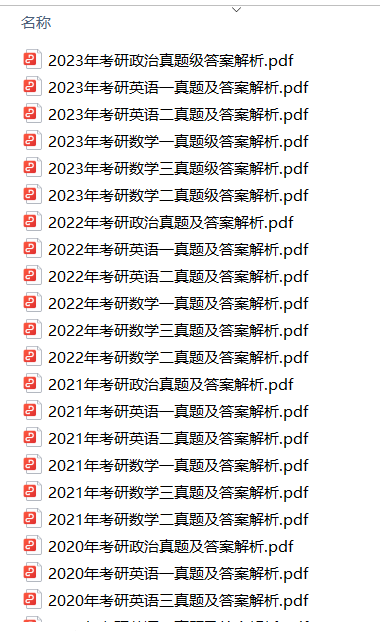
1.2013-2023年近10年政数英真题及解析PDF版(新东方)
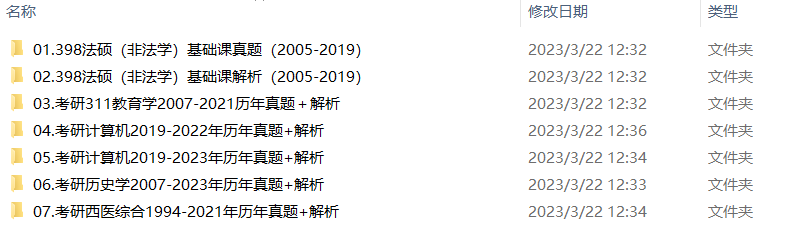
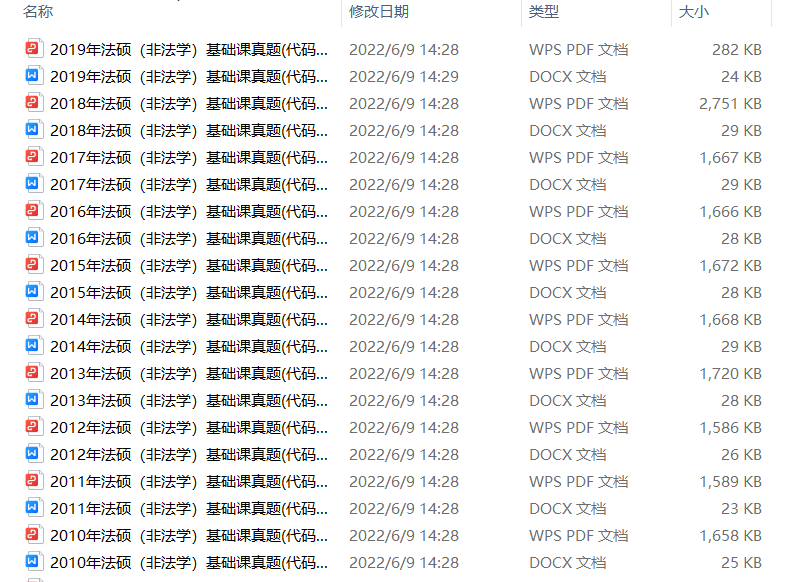
2.2013-2023年专业课考试历年真题及解析PDF版
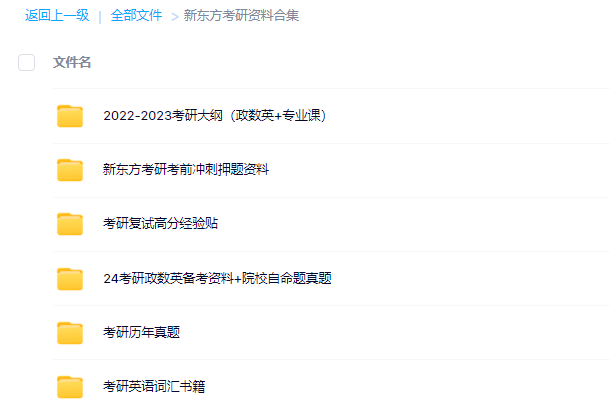
3.24考研复习备考资料大合集:大纲+备考资料+词汇书+考前押题+自命题
资料介绍:
1.2013-2023年近10年政数英真题及解析PDF版(新东方)
 、
、
2.2013-2023年专业课考试历年真题及解析PDF版
3.24考研复习备考资料大合集
3.24考研复习备考资料:考研大纲
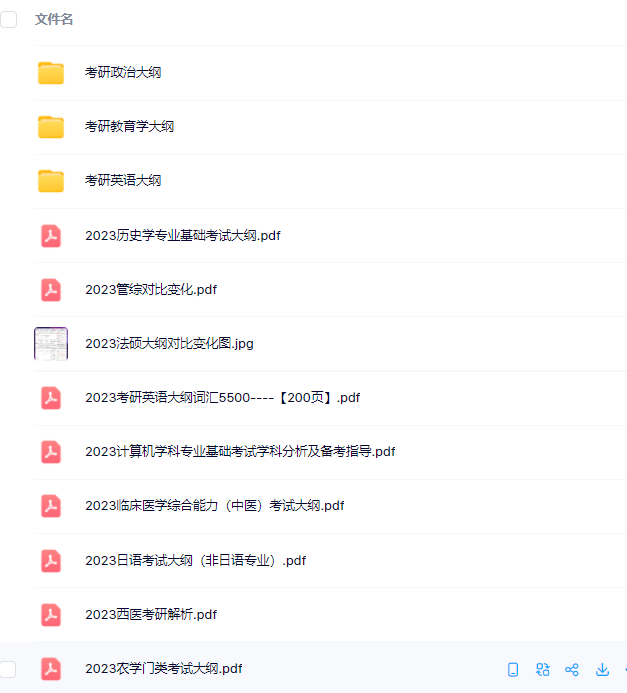
3.24考研复习备考资料:政数英备考资料+自命题真题
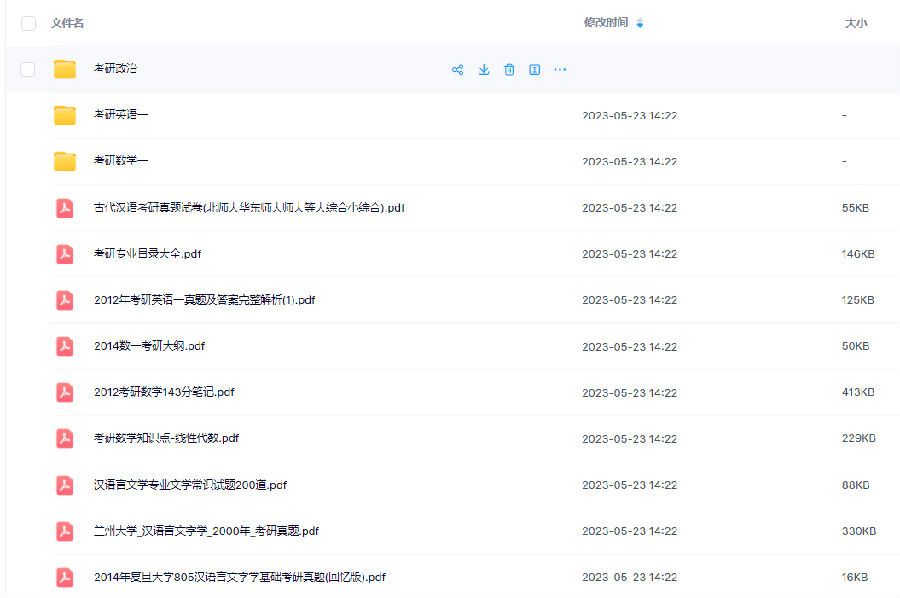
------------------
考研备考过程中,尤其是专业课部分,参考往年的考试真题,对于我们的复习有更好的帮助。北京大学考研真题资料都有哪些?小编为大家进行了汇总。
北京大学考研真题资料-公共课
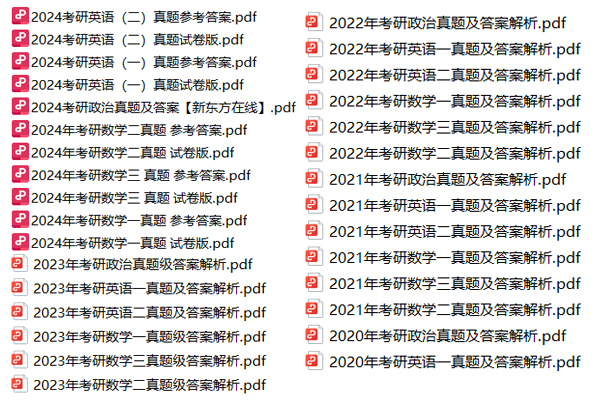
北京大学考研真题资料-专业课
以上就是关于“北京大学考研真题资料下载(历年汇总)”的整理,更多考研资料下载,请关注微信获取下载地址。
2024考研公共课必背知识点汇总
发布时间:2023-01-03扫码添加【考研班主任】
即可领取资料包
2013-2023考研历年真题汇总
发布时间:2023-01-03扫码添加【考研班主任】
即可领取资料包
考研英语大纲词汇(PDF可打印)
发布时间:2023-01-03扫码添加【考研班主任】
即可领取资料包
2024考研专业课知识点总结
发布时间:2023-01-03扫码添加【考研班主任】
即可领取资料包
2023考研政治 内部押题 PDF
发布时间:2022-11-16扫码添加【考研班主任】
即可领取资料包
徐涛:23考研预测六套卷
发布时间:2022-11-16扫码添加【考研班主任】
即可领取资料包
考研政数英冲刺资料最新整理
发布时间:2022-11-16扫码添加【考研班主任】
即可领取资料包
23考研答题卡模板打印版
发布时间:2022-11-16扫码添加【考研班主任】
即可领取资料包
2023考研大纲词汇5500PDF电子版
发布时间:2022-07-28扫码添加【考研班主任】
即可领取资料包
考研历年真题(公共课+专业课)
发布时间:2022-07-28扫码添加【考研班主任】
即可领取资料包
考研英语阅读100篇附解析及答案
发布时间:2022-01-07扫码添加【考研班主任】
即可领取资料包
新东方考研学霸笔记整理(打印版)
发布时间:2022-01-07扫码添加【考研班主任】
即可领取资料包
2001-2021年考研英语真题答案(可打印版)
发布时间:2022-01-07扫码添加【考研班主任】
即可领取资料包
考研英语词汇5500(完整版下载)
发布时间:2022-01-07扫码添加【考研班主任】
即可领取资料包
2022考研政审表模板精选10套
发布时间:2022-01-07扫码添加【考研班主任】
即可领取资料包
历年考研真题及答案 下载
发布时间:2021-12-09扫码添加【考研班主任】
即可领取资料包
考研政审表模板汇总
发布时间:2020-06-17扫码添加【考研班主任】
即可领取资料包
近5年考研英语真题汇总
发布时间:2020-06-17扫码添加【考研班主任】
即可领取资料包
考研英语大纲词汇5500
发布时间:2020-06-17扫码添加【考研班主任】
即可领取资料包
2022考研12大学科专业排名汇总
发布时间:2019-11-21扫码添加【考研班主任】
即可领取资料包
2023考研政治复习备考资料【珍藏版】
发布时间:2019-11-21扫码添加【考研班主任】
即可领取资料包
考研英语万能模板+必备词汇+范文
发布时间:2019-11-21扫码添加【考研班主任】
即可领取资料包
考研数学一、二、三历年真题整理
发布时间:2019-11-21扫码添加【考研班主任】
即可领取资料包

添加班主任领资料
添加考研班主任
免费领取考研历年真题等复习干货资料
 推荐阅读
推荐阅读
为了让考研的同学更高效地复习考研英语,新东方在线考研频道整理了2026考研英语语法复习:疑问代词,考研的同学可以了解一下,希望对大家有所帮助。
为了让考研的同学更高效地复习考研英语,新东方在线考研频道整理了2026考研英语语法复习:关系代词,考研的同学可以了解一下,希望对大家有所帮助。
为了让考研的同学更高效地复习考研英语,新东方在线考研频道整理了2026考研英语语法复习:人称代词,考研的同学可以了解一下,希望对大家有所帮助。
为了让考研的同学更高效地复习考研英语,新东方在线考研频道整理了2026考研英语语法复习:不定代词,考研的同学可以了解一下,希望对大家有所帮助。
为了让考研的同学更高效地复习考研英语,新东方在线考研频道整理了2026考研英语语法复习:物主代词,考研的同学可以了解一下,希望对大家有所帮助。
资料下载
扫码添加【考研班主任】
即可领取资料包
扫码添加【考研班主任】
即可领取资料包
扫码添加【考研班主任】
即可领取资料包
扫码添加【考研班主任】
即可领取资料包
扫码添加【考研班主任】
即可领取资料包
扫码添加【考研班主任】
即可领取资料包
新东方在线考研资料合集
下载方式:微信扫码,获取网盘链接
目录:
1.2013-2023年近10年政数英真题及解析PDF版(新东方)
2.2013-2023年专业课考试历年真题及解析PDF版
3.24考研复习备考资料大合集:大纲+备考资料+词汇书+考前押题+自命题
资料介绍:
1.2013-2023年近10年政数英真题及解析PDF版(新东方)
、
2.2013-2023年专业课考试历年真题及解析PDF版
3.24考研复习备考资料大合集
3.24考研复习备考资料:考研大纲
3.24考研复习备考资料:政数英备考资料+自命题真题
------------------
考研备考过程中,尤其是专业课部分,参考往年的考试真题,对于我们的复习有更好的帮助。北京大学考研真题资料都有哪些?小编为大家进行了汇总。
北京大学考研真题资料-公共课
北京大学考研真题资料-专业课
以上就是关于“北京大学考研真题资料下载(历年汇总)”的整理,更多考研资料下载,请关注微信获取下载地址。
扫码添加【考研班主任】
即可领取资料包
扫码添加【考研班主任】
即可领取资料包
扫码添加【考研班主任】
即可领取资料包
扫码添加【考研班主任】
即可领取资料包
扫码添加【考研班主任】
即可领取资料包
扫码添加【考研班主任】
即可领取资料包
扫码添加【考研班主任】
即可领取资料包
扫码添加【考研班主任】
即可领取资料包
扫码添加【考研班主任】
即可领取资料包
扫码添加【考研班主任】
即可领取资料包
扫码添加【考研班主任】
即可领取资料包
扫码添加【考研班主任】
即可领取资料包
扫码添加【考研班主任】
即可领取资料包
扫码添加【考研班主任】
即可领取资料包
扫码添加【考研班主任】
即可领取资料包
扫码添加【考研班主任】
即可领取资料包
扫码添加【考研班主任】
即可领取资料包
扫码添加【考研班主任】
即可领取资料包
扫码添加【考研班主任】
即可领取资料包
扫码添加【考研班主任】
即可领取资料包
扫码添加【考研班主任】
即可领取资料包
扫码添加【考研班主任】
即可领取资料包
扫码添加【考研班主任】
即可领取资料包
 阅读排行榜
阅读排行榜
 相关内容
相关内容


 公开课
公开课 网友热搜
网友热搜