特惠-27考研
早鸟-28考研课
双证硕士:在线咨询
免联考-同等学力
在职研:1对1答疑
新东方考研Ai择校
考研英语水平测试
计算机考研:择校备考包
法硕:择校备考大礼包
保研-路线图
必备:考研招简大合集
考研备考:重点复习资料
27考研-新大纲对比

扫码加入训练营
牢记核心词
学习得礼盒
2016考研初试临近,最后阶段同学们要开启模拟冲刺阶段,所谓模拟冲刺,目的在于让大家提前进入到模考状态。
做考研模拟题必须要定时,整套整套的做题。真正的模拟考场的感觉和气氛,同学们可以通过做整套题这样的训练方式来找找考场的感觉,而且通过反复的做整套题,不仅能使大家学习状态稳步提升和学习效率的提高,而且能看清自己的学习潜能,来适应连续4科的考研考试。新东方在线考研分享2016考研英语模拟试题:阅读篇,赶快来练练手吧!
2016考研英语模拟试题及答案:阅读篇(2)
It has long been known that the rate of oxidative metabolism (the process
that uses oxygen to convert food into energy) in any animal has a profound
effect on its living patterns. The high metabolic rate of small animals, for
example, gives them sustained power and activity per unit of weight, but at the
cost of requiring constant consumption of food and water. Very large animals,
with their relatively low metabolic rates, can survive well on a sporadic food
supply, but can gen- erate little metabolic energy per gram of body weight. If
only oxidative metabolic rate is considered, there- fore, one might assume that
smaller, more active, animals could prey on larger ones, at least if they
attacked in groups. Perhaps they could if it were not for anaerobic glycolysis,
the great equalizer.
Anaerobic glcolysis is a process in which energy is produced, without oxygen, through the breakdown of muscle glycogen into lactic acid and adenosine tri- phosphate (ATP), the energy provider. The amount of energy that can be produced anaerobically is a function of the amount of glycogen present-in all vertebrates about 0.5 percent of their muscles' wet weight. Thus the anaerobic energy reserves of a verte- brate are proportional to the size of the animal. If, for example, some predators had attacked a 100-ton dinosaur, normally torpid, the dinosaur would have been able to generate almost instantaneously, via anaerobic glycolysis, the energy of 3,000 humans at maximum oxidative metabolic energy production. This explains how many large species have managed to compete with their more active neighbors: the compensation for a low oxidative metabolic rate is glycolysis.
There are limitations, however, to this compensa- tion. The glycogen reserves of any animal are good, at most, for only about two minutes at maximum effort, after which only the normal oxidative metabolic source of energy remains. With the conclusion of a burst of activity, the lactic acid level is high in tthe body fluids, leaving the large animal vulnerable to attack until the acid is reconverted, via oxidative metabolism, by the liver into glucose, which is then sent (in part) back to the muscles for glycogen resyn- thesis. During this process the enormous energy debt that the animal has run up through anaerobic glycolysis must be repaid, a debt that is proportionally much greater for the larger vertebrates than for the smaller ones. Whereas the tiny shrew can replace in minutes the glycogen used for maximum effort, for example, the gigantic dinosaur would have required more than three weeks. It might seem that this inter- minably long recovery time in a large vertebrate would prove a grave disadvantage for survival. Fortunately, muscle glycogen is used only when needed and even then only in whatever quantity is necessary. Only in times of panic or during mortal combat would the entire reserves be consumed.
1. What is the text mainly about?。
[A] refute a misconception about anaerobic glycolysis.
[B] introduce a new hypothesis about anaerobic glycolysis.
[C] describe the limitations of anaerobic glycolysis.
[D] explain anaerobic glycolysis and its effects on animal survival.
2. According to the author, glycogen is crucial to the process of anaerobic glyrolysis because glycogen
[A] increases the organism‘s need for ATP.
[B] reduces the amount of ATP in the tissues.
[C] is an inhibitor of the oxidative metabolic production of ATP.
[D] is the material form which ATP is derived.
3. It is implied that the total anaerobic energy reserves of a vertebrate are proportional to its size because
[A] larger vertebrate conserve more energy than smaller vertebrates.
[B] larger vertebrates use less oxygen per unit weight than smaller vertebrates.
[C] the ability of a vertebrate to consume food is a function of its size.
[D]the amount of muscle tissue in a vertebrate is directly related to its size,
4. According to the text, a major limitation of anaerobic glycolysis is that it can
[A] produce in large animals more lactic acid than the liver can safely reconvert.
[B] necessitate a dangerously long recovery period in large animals.
[C] reduce energy more slowly than it can be used by large animals.
[D]consume all of the available glycogen regardless of need.
5. Which of the following audiences is the author most probably addressing?
[A] College students in an introductory course on animal physiology.
[B] Historians of science investigating the discovery of anaerobic glycolysis.
[C] Graduate students with specialized training in comparative anatomy.
[D] Zoologists interested in prehistoric animals.

【考研英语】资料这里有↑↑↑

 资料下载
资料下载
2014年-2025年考研历年真题汇总
发布时间:2024-04-25扫码添加【考研班主任】
即可领取资料包
考研大纲PDF电子版下载-历年(附解析)
发布时间:2024-04-25扫码添加【考研班主任】
即可领取资料包
2026年考研政数英备考资料zip压缩包
发布时间:2024-04-25扫码添加【考研班主任】
即可领取资料包
考研英语大纲词汇5500打印版(基础必备)
发布时间:2024-04-25扫码添加【考研班主任】
即可领取资料包
新东方在线考试模拟题【12套】
发布时间:2024-04-25扫码添加【考研班主任】
即可领取资料包
2026年考研专业课知识点总结
发布时间:2024-04-25扫码添加【考研班主任】
即可领取资料包
新东方考研资料下载地址
发布时间:2023-05-17新东方在线考研资料合集
下载方式:微信扫码,获取网盘链接

目录:
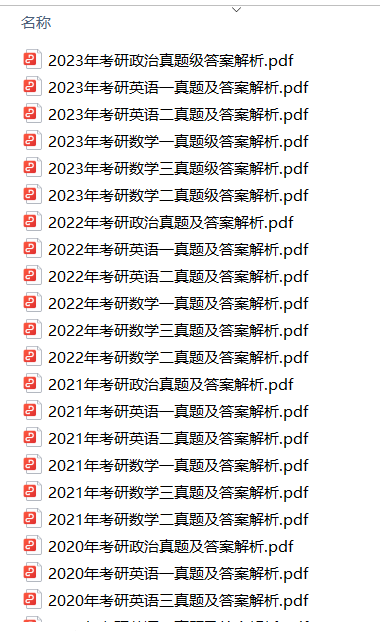
1.2013-2023年近10年政数英真题及解析PDF版(新东方)
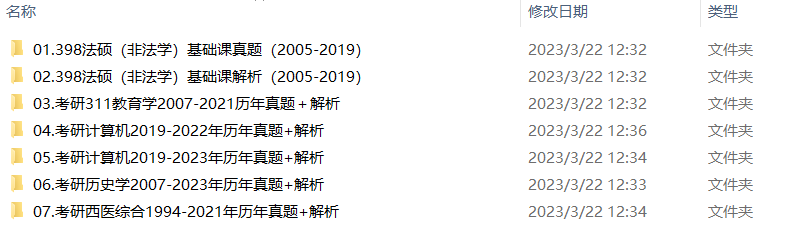
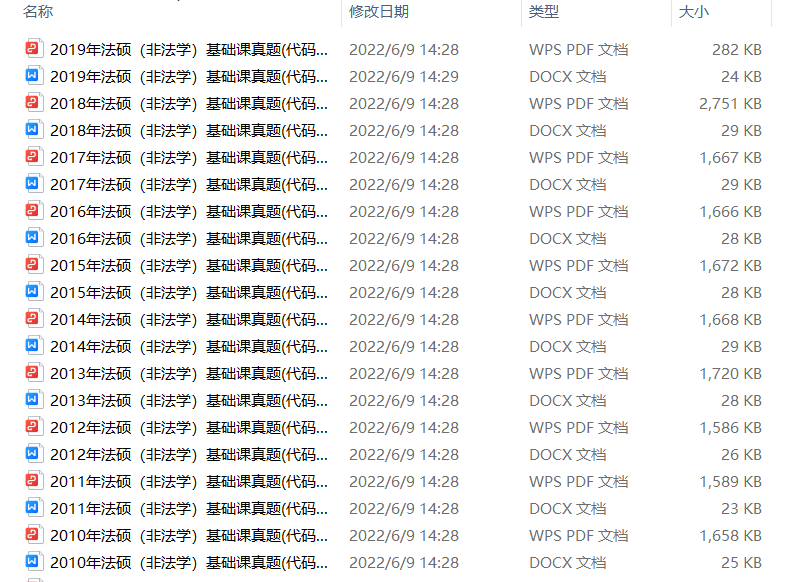
2.2013-2023年专业课考试历年真题及解析PDF版
3.24考研复习备考资料大合集:大纲+备考资料+词汇书+考前押题+自命题
资料介绍:
1.2013-2023年近10年政数英真题及解析PDF版(新东方)
 、
、
2.2013-2023年专业课考试历年真题及解析PDF版
3.24考研复习备考资料大合集

3.24考研复习备考资料:考研大纲
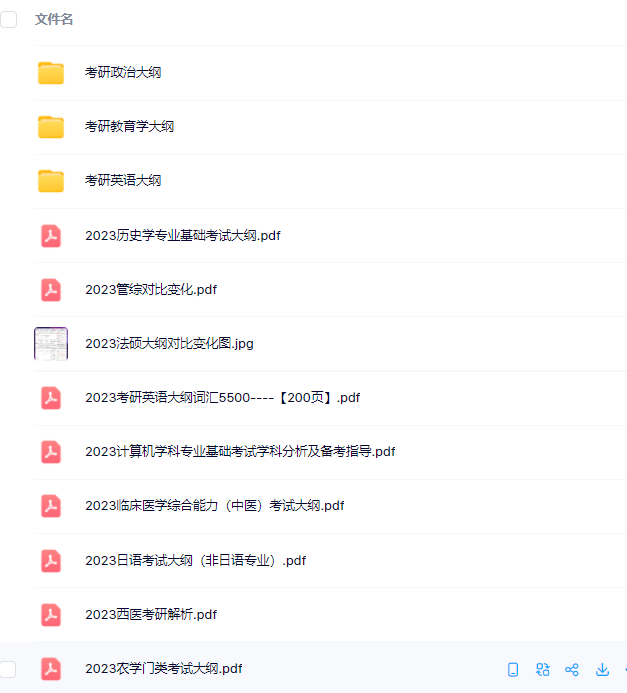
3.24考研复习备考资料:政数英备考资料+自命题真题
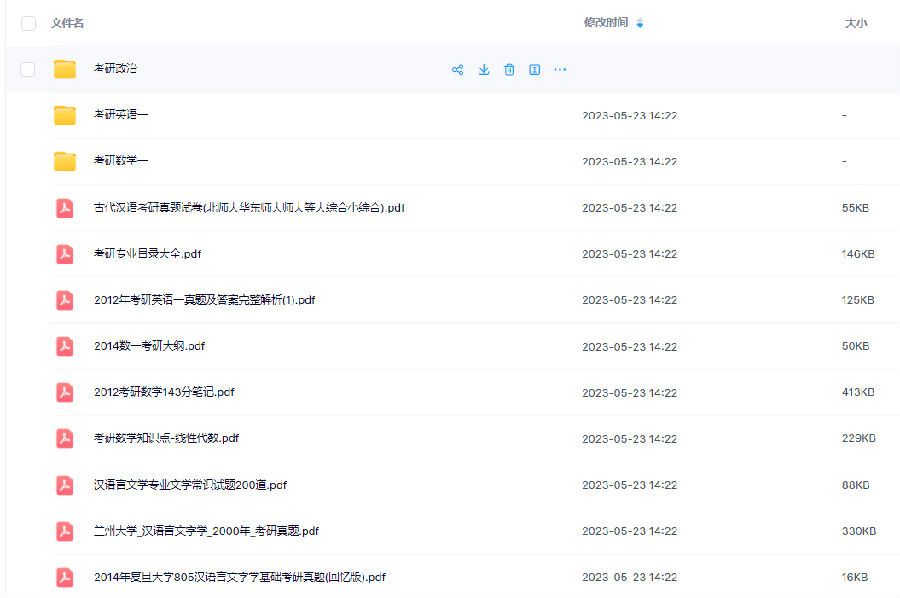
------------------
考研备考过程中,尤其是专业课部分,参考往年的考试真题,对于我们的复习有更好的帮助。北京大学考研真题资料都有哪些?小编为大家进行了汇总。

北京大学考研真题资料-公共课
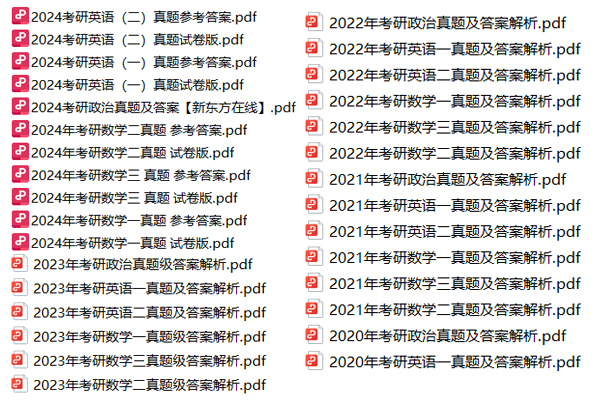
北京大学考研真题资料-专业课
以上就是关于“北京大学考研真题资料下载(历年汇总)”的整理,更多考研资料下载,请关注微信获取下载地址。
2024考研公共课必背知识点汇总
发布时间:2023-01-03扫码添加【考研班主任】
即可领取资料包
2013-2023考研历年真题汇总
发布时间:2023-01-03扫码添加【考研班主任】
即可领取资料包
考研英语大纲词汇(PDF可打印)
发布时间:2023-01-03扫码添加【考研班主任】
即可领取资料包
2024考研专业课知识点总结
发布时间:2023-01-03扫码添加【考研班主任】
即可领取资料包
2023考研政治 内部押题 PDF
发布时间:2022-11-16扫码添加【考研班主任】
即可领取资料包
徐涛:23考研预测六套卷
发布时间:2022-11-16扫码添加【考研班主任】
即可领取资料包
考研政数英冲刺资料最新整理
发布时间:2022-11-16扫码添加【考研班主任】
即可领取资料包
23考研答题卡模板打印版
发布时间:2022-11-16扫码添加【考研班主任】
即可领取资料包
2023考研大纲词汇5500PDF电子版
发布时间:2022-07-28扫码添加【考研班主任】
即可领取资料包
考研历年真题(公共课+专业课)
发布时间:2022-07-28扫码添加【考研班主任】
即可领取资料包
考研英语阅读100篇附解析及答案
发布时间:2022-01-07扫码添加【考研班主任】
即可领取资料包
新东方考研学霸笔记整理(打印版)
发布时间:2022-01-07扫码添加【考研班主任】
即可领取资料包
2001-2021年考研英语真题答案(可打印版)
发布时间:2022-01-07扫码添加【考研班主任】
即可领取资料包
考研英语词汇5500(完整版下载)
发布时间:2022-01-07扫码添加【考研班主任】
即可领取资料包
2022考研政审表模板精选10套
发布时间:2022-01-07扫码添加【考研班主任】
即可领取资料包
历年考研真题及答案 下载
发布时间:2021-12-09扫码添加【考研班主任】
即可领取资料包
考研政审表模板汇总
发布时间:2020-06-17扫码添加【考研班主任】
即可领取资料包
近5年考研英语真题汇总
发布时间:2020-06-17扫码添加【考研班主任】
即可领取资料包
考研英语大纲词汇5500
发布时间:2020-06-17扫码添加【考研班主任】
即可领取资料包
2022考研12大学科专业排名汇总
发布时间:2019-11-21扫码添加【考研班主任】
即可领取资料包
2023考研政治复习备考资料【珍藏版】
发布时间:2019-11-21扫码添加【考研班主任】
即可领取资料包
考研英语万能模板+必备词汇+范文
发布时间:2019-11-21扫码添加【考研班主任】
即可领取资料包
考研数学一、二、三历年真题整理
发布时间:2019-11-21扫码添加【考研班主任】
即可领取资料包

添加班主任领资料
添加考研班主任
免费领取考研历年真题等复习干货资料

 推荐阅读
推荐阅读
为了让考研的同学更高效地复习考研英语,新东方在线考研频道整理了2026年考研英语综合说明文的基本模式,考研的同学可以了解一下,希望对大家有所帮助。
为了让考研的同学更高效地复习考研英语,新东方在线考研频道整理了2026年考研英语综合英语写作复习技巧,考研的同学可以了解一下,希望对大家有所帮助。
为了让考研的同学更高效地复习考研英语,新东方在线考研频道整理了2026年考研英语综合阅读理解的做题技巧,考研的同学可以了解一下,希望对大家有所帮助。
为了让考研的同学更高效地复习考研英语,新东方在线考研频道整理了2026年考研英语综合词汇怎么复习,考研的同学可以了解一下,希望对大家有所帮助。
为了让考研的同学更高效地复习考研英语,新东方在线考研频道整理了2026年考研英语综合推理判断题型的标志,考研的同学可以了解一下,希望对大家有所帮助。
资料下载
扫码添加【考研班主任】
即可领取资料包
扫码添加【考研班主任】
即可领取资料包
扫码添加【考研班主任】
即可领取资料包
扫码添加【考研班主任】
即可领取资料包
扫码添加【考研班主任】
即可领取资料包
扫码添加【考研班主任】
即可领取资料包
新东方在线考研资料合集
下载方式:微信扫码,获取网盘链接
目录:
1.2013-2023年近10年政数英真题及解析PDF版(新东方)
2.2013-2023年专业课考试历年真题及解析PDF版
3.24考研复习备考资料大合集:大纲+备考资料+词汇书+考前押题+自命题
资料介绍:
1.2013-2023年近10年政数英真题及解析PDF版(新东方)
、
2.2013-2023年专业课考试历年真题及解析PDF版
3.24考研复习备考资料大合集
3.24考研复习备考资料:考研大纲
3.24考研复习备考资料:政数英备考资料+自命题真题
------------------
考研备考过程中,尤其是专业课部分,参考往年的考试真题,对于我们的复习有更好的帮助。北京大学考研真题资料都有哪些?小编为大家进行了汇总。
北京大学考研真题资料-公共课
北京大学考研真题资料-专业课
以上就是关于“北京大学考研真题资料下载(历年汇总)”的整理,更多考研资料下载,请关注微信获取下载地址。
扫码添加【考研班主任】
即可领取资料包
扫码添加【考研班主任】
即可领取资料包
扫码添加【考研班主任】
即可领取资料包
扫码添加【考研班主任】
即可领取资料包
扫码添加【考研班主任】
即可领取资料包
扫码添加【考研班主任】
即可领取资料包
扫码添加【考研班主任】
即可领取资料包
扫码添加【考研班主任】
即可领取资料包
扫码添加【考研班主任】
即可领取资料包
扫码添加【考研班主任】
即可领取资料包
扫码添加【考研班主任】
即可领取资料包
扫码添加【考研班主任】
即可领取资料包
扫码添加【考研班主任】
即可领取资料包
扫码添加【考研班主任】
即可领取资料包
扫码添加【考研班主任】
即可领取资料包
扫码添加【考研班主任】
即可领取资料包
扫码添加【考研班主任】
即可领取资料包
扫码添加【考研班主任】
即可领取资料包
扫码添加【考研班主任】
即可领取资料包
扫码添加【考研班主任】
即可领取资料包
扫码添加【考研班主任】
即可领取资料包
扫码添加【考研班主任】
即可领取资料包
扫码添加【考研班主任】
即可领取资料包
 阅读排行榜
阅读排行榜
 相关内容
相关内容



 公开课
公开课 网友热搜
网友热搜