特惠-27考研
早鸟-28考研课
双证硕士:在线咨询
免联考-同等学力
在职研:1对1答疑
新东方考研Ai择校
考研英语水平测试
计算机考研:择校备考包
法硕:择校备考大礼包
保研-路线图
必备:考研招简大合集
考研备考:重点复习资料
27考研-新大纲对比

扫码加入训练营
牢记核心词
学习得礼盒
Text 4
“The Heart of the Matter,” the just-released report by the American Academy of Arts and Sciences (AAAS), deserves praise for affirming the importance of the humanities and social sciences to the prosperity and security of liberal democracy in America. Regrettably, however, the report’s failure to address the true nature of the crisis facing liberal education may cause more harm than good.
In 2010, leading congressional Democrats and Republicans sent letters to the AAAS asking that it identify actions that could be taken by “federal, state and local governments, universities, foundations, educators, individual benefactors and others” to “maintain national excellence in humanities and social scientific scholarship and education.” In response, the American Academy formed the Commission on the Humanities and Social Sciences. Among the commission’s 51 members are top-tier-university presidents, scholars, lawyers, judges, and business executives, as well as prominent figures from diplomacy, filmmaking, music and journalism.
The goals identified in the report are generally admirable. Because representative government presupposes an informed citizenry, the report supports full literacy; stresses the study of history and government, particularly American history and American government; and encourages the use of new digital technologies. To encourage innovation and competition, the report calls for increased investment in research, the crafting of coherent curricula that improve students’ ability to solve problems and communicate effectively in the 21st century, increased funding for teachers and the encouragement of scholars to bring their learning to bear on the great challenges of the day. The report also advocates greater study of foreign languages, international affairs and the expansion of study abroad programs.
Unfortunately, despite 2½ years in the making, "The Heart of the Matter" never gets to the heart of the matter: the illiberal nature of liberal education at our leading colleges and universities. The commission ignores that for several decades America's colleges and universities have produced graduates who don’t know the content and character of liberal education and are thus deprived of its benefits. Sadly, the spirit of inquiry once at home on campus has been replaced by the use of the humanities and social sciences as vehicles for publicizing “progressive,” or left-liberal propaganda.
Today, professors routinely treat the progressive interpretation of history and progressive public policy as the proper subject of study while portraying conservative or classical liberal ideas—such as free markets and self-reliance—as falling outside the boundaries of routine, and sometimes legitimate, intellectual investigation.
The AAAS displays great enthusiasm for liberal education. Yet its report may well set back reform by obscuring the depth and breadth of the challenge that Congress asked it to illuminate.
36. According to Paragraph 1, what is the author’s attitude toward the AAAS’s report?
[A] Critical
[B] Appreciative
[C] Contemptuous
[D] Tolerant
37. Influential figures in the Congress required that the AAAS report on how to
[A] retain people’s interest in liberal education
[B] define the government’s role in education
[C] keep a leading position in liberal education
[D] safeguard individuals’ rights to education
38. According to Paragraph 3, the report suggests
[A] an exclusive study of American history
[B] a greater emphasis on theoretical subjects
[C] the application of emerging technologies
[D] funding for the study of foreign languages
39. The author implies in Paragraph 5 that professors are
[A] supportive of free markets
[B] cautious about intellectual investigation
[C] conservative about public policy
[D] biased against classical liberal ideas
40. Which of the following would be the best title for the text?
[A] Ways to Grasp “The Heart of the Matter”
[B] Illiberal Education and “The Heart of the Matter”
[C] The AAAS’s Contribution to Liberal Education
[D] Progressive Policy vs. Liberal Education
Part B
Directions:
The following paragraphs are given in a wrong order. For Questions 41-45, you are required to reorganize these paragraphs into a coherent text by choosing from the list A-G and filling them into the numbered boxes. Paragraphs A and E have been correctly placed Mark your answers on the ANSWER SHEET (10 points)
[A] Some archaeological sites have always been easily observable—for example, the Parthenon in Athens, Greece, the pyramids of Giza in Egypt; and the megaliths of Stonehenge in southern England. But these sites are exceptions to the norm. Most archaeological sites have been located by means of careful searching, while many others have been discovered by accident. Olduvai Gorge, an early hominid site in Tanzania, was found by a butterfly hunter who literally fell into its deep valley in 1911. Thousands of Aztec artifacts came to light during the digging of the Mexico City subway in the 1970s.
[B]In another case, American archaeologists Rene Million and George Cowgill spent years systematically mapping the entire city of Teotihuacan in the Valley of Mexico near what is now Mexico City. At its peak around AD 600, this city was one of the largest human settlements in the world. The researchers mapped not only the city’s vast and ornate ceremonial areas, but also hundreds of simpler apartment complexes where common people lived.
[C] How do archaeologists know where to find what they are looking for when there is nothing visible on the surface of the ground? Typically, they survey and sample (make test excavations on) large areas of terrain to determine where excavation will yield useful information. Surveys and test samples have also become important for understanding the larger landscapes that contain archaeological sites.
[D] Surveys can cover a single large settlement or entire landscapes. In one case, many researchers working around the ancient Maya city of Copan, Honduras, have located hundreds of small rural villages and individual dwellings by using aerial photographs and by making surveys on foot. The resulting settlement maps show how the distribution and density of the rural population around the city changed dramatically between AD 500 and 850, when Copan collapsed.
[E] To find their sites, archaeologists today rely heavily on systematic survey methods and a variety of high-technology tools and techniques. Airborne technologies, such as different types of radar and photographic equipment carried by airplanes or spacecraft, allow archaeologists to learn about what lies beneath the ground without digging. Aerial surveys locate general areas of interest or larger buried features, such as ancient buildings or fields.
[F] Most archaeological sites, however, are discovered by archaeologists who have set out to look for them. Such searches can take years. British archaeologist Howard Carter knew that the tomb of the Egyptian pharaoh Tutankhamun existed from information found in other sites. Carter sifted through rubble in the Valley of the Kings for seven years before he located the tomb in 1922. In the late 1800s British archaeologist Sir Arthur Evan combed antique dealers’ stores in Athens, Greece. He was searching for tiny engraved seals attributed to the ancient Mycenaean culture that dominated Greece from the 1400s to 1200s BC. Evans’s interpretations of these engravings eventually led him to find the Minoan palace at Knossos (Knossós) on the island of Crete, in 1900.
[G] Ground surveys allow archaeologists to pinpoint the places where digs will be successful. Most ground surveys involve a lot of walking, looking for surface clues such as small fragments of pottery. They often include a certain amount of digging to test for buried materials at selected points across a landscape. Archaeologists also may locate buried remains by using such technologies as ground radar, magnetic-field recording, and metal detectors. Archaeologists commonly use computers to map sites and the landscapes around sites. Two and three-dimensional maps are helpful tools in planning excavations, illustrating how sites look, and presenting the results of archaeological research.

【英语阅读资料】这里有↑↑↑
本文关键字: 考研英语阅读 考研英语阅读真题解析

 资料下载
资料下载
2014年-2025年考研历年真题汇总
发布时间:2024-04-25扫码添加【考研班主任】
即可领取资料包
考研大纲PDF电子版下载-历年(附解析)
发布时间:2024-04-25扫码添加【考研班主任】
即可领取资料包
2026年考研政数英备考资料zip压缩包
发布时间:2024-04-25扫码添加【考研班主任】
即可领取资料包
考研英语大纲词汇5500打印版(基础必备)
发布时间:2024-04-25扫码添加【考研班主任】
即可领取资料包
新东方在线考试模拟题【12套】
发布时间:2024-04-25扫码添加【考研班主任】
即可领取资料包
2026年考研专业课知识点总结
发布时间:2024-04-25扫码添加【考研班主任】
即可领取资料包
新东方考研资料下载地址
发布时间:2023-05-17新东方在线考研资料合集
下载方式:微信扫码,获取网盘链接

目录:
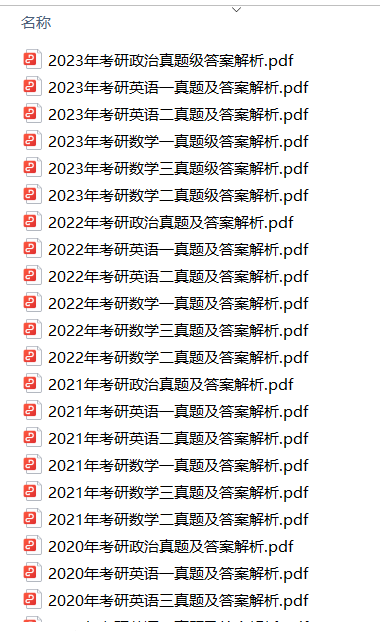
1.2013-2023年近10年政数英真题及解析PDF版(新东方)
2.2013-2023年专业课考试历年真题及解析PDF版
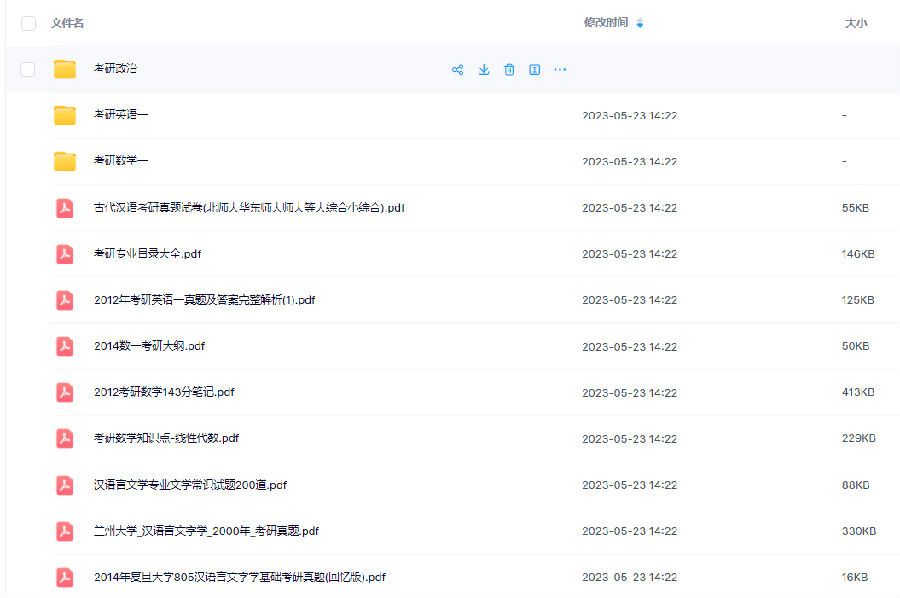
3.24考研复习备考资料大合集:大纲+备考资料+词汇书+考前押题+自命题
资料介绍:
1.2013-2023年近10年政数英真题及解析PDF版(新东方)
 、
、
2.2013-2023年专业课考试历年真题及解析PDF版


3.24考研复习备考资料大合集

3.24考研复习备考资料:考研大纲

3.24考研复习备考资料:政数英备考资料+自命题真题
------------------
考研备考过程中,尤其是专业课部分,参考往年的考试真题,对于我们的复习有更好的帮助。北京大学考研真题资料都有哪些?小编为大家进行了汇总。

北京大学考研真题资料-公共课
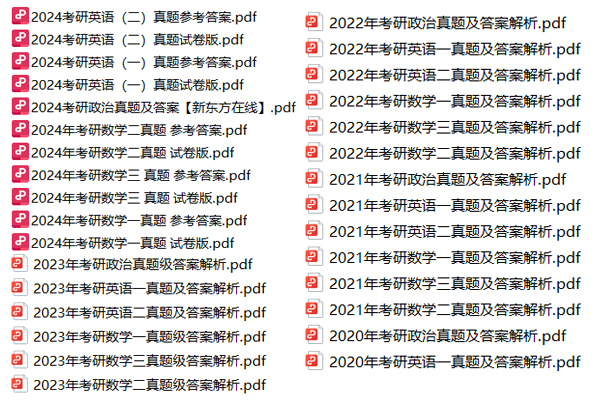
北京大学考研真题资料-专业课
以上就是关于“北京大学考研真题资料下载(历年汇总)”的整理,更多考研资料下载,请关注微信获取下载地址。
2024考研公共课必背知识点汇总
发布时间:2023-01-03扫码添加【考研班主任】
即可领取资料包
2013-2023考研历年真题汇总
发布时间:2023-01-03扫码添加【考研班主任】
即可领取资料包
考研英语大纲词汇(PDF可打印)
发布时间:2023-01-03扫码添加【考研班主任】
即可领取资料包
2024考研专业课知识点总结
发布时间:2023-01-03扫码添加【考研班主任】
即可领取资料包
2023考研政治 内部押题 PDF
发布时间:2022-11-16扫码添加【考研班主任】
即可领取资料包
徐涛:23考研预测六套卷
发布时间:2022-11-16扫码添加【考研班主任】
即可领取资料包
考研政数英冲刺资料最新整理
发布时间:2022-11-16扫码添加【考研班主任】
即可领取资料包
23考研答题卡模板打印版
发布时间:2022-11-16扫码添加【考研班主任】
即可领取资料包
2023考研大纲词汇5500PDF电子版
发布时间:2022-07-28扫码添加【考研班主任】
即可领取资料包
考研历年真题(公共课+专业课)
发布时间:2022-07-28扫码添加【考研班主任】
即可领取资料包
考研英语阅读100篇附解析及答案
发布时间:2022-01-07扫码添加【考研班主任】
即可领取资料包
新东方考研学霸笔记整理(打印版)
发布时间:2022-01-07扫码添加【考研班主任】
即可领取资料包
2001-2021年考研英语真题答案(可打印版)
发布时间:2022-01-07扫码添加【考研班主任】
即可领取资料包
考研英语词汇5500(完整版下载)
发布时间:2022-01-07扫码添加【考研班主任】
即可领取资料包
2022考研政审表模板精选10套
发布时间:2022-01-07扫码添加【考研班主任】
即可领取资料包
历年考研真题及答案 下载
发布时间:2021-12-09扫码添加【考研班主任】
即可领取资料包
考研政审表模板汇总
发布时间:2020-06-17扫码添加【考研班主任】
即可领取资料包
近5年考研英语真题汇总
发布时间:2020-06-17扫码添加【考研班主任】
即可领取资料包
考研英语大纲词汇5500
发布时间:2020-06-17扫码添加【考研班主任】
即可领取资料包
2022考研12大学科专业排名汇总
发布时间:2019-11-21扫码添加【考研班主任】
即可领取资料包
2023考研政治复习备考资料【珍藏版】
发布时间:2019-11-21扫码添加【考研班主任】
即可领取资料包
考研英语万能模板+必备词汇+范文
发布时间:2019-11-21扫码添加【考研班主任】
即可领取资料包
考研数学一、二、三历年真题整理
发布时间:2019-11-21扫码添加【考研班主任】
即可领取资料包

添加班主任领资料
添加考研班主任
免费领取考研历年真题等复习干货资料

 推荐阅读
推荐阅读
为了让考研的同学更高效地复习考研英语,新东方在线考研频道整理了“考研英语1阅读错几个后的复习计划”,考研的同学可以了解一下,希望对大家有所帮助。
为了让考研的同学更高效地复习考研英语,新东方在线考研频道整理了“考研英语二阅读篇数及题型分析”,考研的同学可以了解一下,希望对大家有所帮助。
为了让考研的同学更高效地复习考研英语,新东方在线考研频道整理了“考研英语阅读理解的总结与反思”,考研的同学可以了解一下,希望对大家有所帮助。
来源 : 网络 2025-06-13 08:02:00 关键字 : 考研英语阅读理解
为了让考研的同学更高效地复习考研英语,新东方在线考研频道整理了“提高考研英语一阅读理解的五大策略”,考研的同学可以了解一下,希望对大家有所帮助。
为了让考研的同学更高效地复习考研英语,新东方在线考研频道整理了“探索考研英语阅读文章的逻辑结构”,考研的同学可以了解一下,希望对大家有所帮助。
来源 : 网络 2025-06-12 08:03:00 关键字 : 考研英语阅读
资料下载
扫码添加【考研班主任】
即可领取资料包
扫码添加【考研班主任】
即可领取资料包
扫码添加【考研班主任】
即可领取资料包
扫码添加【考研班主任】
即可领取资料包
扫码添加【考研班主任】
即可领取资料包
扫码添加【考研班主任】
即可领取资料包
新东方在线考研资料合集
下载方式:微信扫码,获取网盘链接
目录:
1.2013-2023年近10年政数英真题及解析PDF版(新东方)
2.2013-2023年专业课考试历年真题及解析PDF版
3.24考研复习备考资料大合集:大纲+备考资料+词汇书+考前押题+自命题
资料介绍:
1.2013-2023年近10年政数英真题及解析PDF版(新东方)
、
2.2013-2023年专业课考试历年真题及解析PDF版
3.24考研复习备考资料大合集
3.24考研复习备考资料:考研大纲
3.24考研复习备考资料:政数英备考资料+自命题真题
------------------
考研备考过程中,尤其是专业课部分,参考往年的考试真题,对于我们的复习有更好的帮助。北京大学考研真题资料都有哪些?小编为大家进行了汇总。
北京大学考研真题资料-公共课
北京大学考研真题资料-专业课
以上就是关于“北京大学考研真题资料下载(历年汇总)”的整理,更多考研资料下载,请关注微信获取下载地址。
扫码添加【考研班主任】
即可领取资料包
扫码添加【考研班主任】
即可领取资料包
扫码添加【考研班主任】
即可领取资料包
扫码添加【考研班主任】
即可领取资料包
扫码添加【考研班主任】
即可领取资料包
扫码添加【考研班主任】
即可领取资料包
扫码添加【考研班主任】
即可领取资料包
扫码添加【考研班主任】
即可领取资料包
扫码添加【考研班主任】
即可领取资料包
扫码添加【考研班主任】
即可领取资料包
扫码添加【考研班主任】
即可领取资料包
扫码添加【考研班主任】
即可领取资料包
扫码添加【考研班主任】
即可领取资料包
扫码添加【考研班主任】
即可领取资料包
扫码添加【考研班主任】
即可领取资料包
扫码添加【考研班主任】
即可领取资料包
扫码添加【考研班主任】
即可领取资料包
扫码添加【考研班主任】
即可领取资料包
扫码添加【考研班主任】
即可领取资料包
扫码添加【考研班主任】
即可领取资料包
扫码添加【考研班主任】
即可领取资料包
扫码添加【考研班主任】
即可领取资料包
扫码添加【考研班主任】
即可领取资料包
 阅读排行榜
阅读排行榜
 相关内容
相关内容



 公开课
公开课 网友热搜
网友热搜