特惠-26考研冲刺
特惠-27考研课
双证-在职硕士
免联考-同等学力
复试分数线
26复试全面指导
模拟复试面试
26考研-全套真题
26考研估分
保研-路线图
27考研-智能择校
27考研-英语测评
27考研-新大纲对比
热门-计算机择校

扫码加入训练营
牢记核心词
学习得礼盒
plain English on the answer sheet. (10 points)
1. Endocentric construction
2. Syntax
3. Assimilation
4. Functional sentence perspective
5. Cohesion
6. Stream of Consciousness
7. Gothic fiction
8. Critical Realism
9. Protagonist
10. Harlem Renaissance
VI. Reading Comprehension (40 points)
Directions: Each of the passages below is followed by some questions. For each question there are four answers
marked[A], [B], [C]or [D]. Read the passages carefully and choose the best answer to each of the questions.
Be sure to write down your choice on the answer sheet.
Passage A
In the first age, we created gods. We carved them out of wood; there was still such a thing as wood,
then. We forged them from shining metals and painted them on temple walls. They were gods of many
kinds, and goddesses as well. Sometimes they were cruel and drank our blood, but also they gave us rain
and sunshine, favourable winds, good harvests, fertile animals, many children. A million birds flew over us
then, a million fish swam in our seas.
Our gods had horns on their heads, or moons, or sealy fins, or the beaks of eagles. We called them
All-Knowing, we called them Shining One. We knew we were not orphans. We smelled the earth and rolled
in it; its juices ran down our chins.
In the second age we created money. This money was also made of shining metals. It had two faces:
on one side was a severed head, that of a king or some other noteworthy person, on the other face was
something else, something that would give us comfort: a bird, a fish, a fur-bearing animal. This was all that
remained of our former gods. The money was small in size, and each of us would carry some of it with him
every day, as close to the skin as possible. We could not eat this money, wear it or burn it for warmth; but as
if by magic it could be changed into such things. The money was mysterious, and we were in awe of it. If
you had enough of it, it was said, you would be able to fly.
In the third age, money became a god. It was all-powerful, and out of control. It began to talk. It began
to create on its own. It created feasts and famines, songs of joy, lamentations. It created greed and hunger,
which were its two faces. Towers of glass rose at its name, were destroyed and rose again. It began to eat
things. It ate whole forests, croplands and the lives of children. It ate armies, ships and cities. No one could
stop it. To have it was a sign of grace.
In the fourth age we created deserts. Our deserts were of several kinds, but they had one thing in
common: nothing grew there. Some were made of cement, some were made of various poisons, some of
baked earth. We made these deserts from the desire for more money and from despair at the lack of it. Wars,
plagues and famines visited us, but we did not stop in our industrious creation of deserts. At last all wells
were poisoned, all rivers ran with filth, all seas were dead; there was no land left to grow food.
Some of our wise men turned to the contemplation of deserts. A stone in the sand in the setting sun
could be very beautiful, they said.
You who have come here from some distant world, to this dry lakeshore and this cairn, and to this
cylinder of brass, in which on the last day of all our recorded days I place our final words: Pray for us, who
once, too, thought we could fly.
1. According to the passage, money is “mysterious” because it ___.
A. can speak to human beings.
B. seems to be omnipotent.
C. is a symbol of wealth.
D. is a sign of grace.
2. In the passage, “age” refers to ____.
A. Different phases of civilization.
B. The recorded year in human history.
C. Different social systems in human history.
D. The scale of intelligence of human beings in history.
3. Which of the following statement about gods described in the passage is true?
A. Gods always bless human beings.
B. Gods are more often than not ferocious in the age of metals.
C. Gods are created, carved out of wood or metals.
D. Gods are symbols of human’s greed.
4. Which of the following statements about “deserts” is NOT true?
A. No life survives in the deserts.
B. Deserts are nothing but a process of desertification.
C. It is human being’s greed for money that leads to the prevalence of deserts.
D. Deserts result in wars, plagues and famines, which causes more deserts.
5. From this passage, we know that ____.
A. Human beings will go extinct by themselves one day.
B. Human beings are living in the fourth age.
C. The earth will become more and more inhabitable since there will never be enough money.
D. The author is pessimistic of the future of human beings.
Passage B
Safety is a concern of everyone who flies or contemplates it. I can provide you with volumes of
information about the attention to safety given by the airline industry. No other form of transportation is as
scrutinized, investigated and monitored as commercial aviation.
Yet if you decide to hold onto the belief that flying is dangerous, then these reassuring safety facts are lost
to you. Statistics and figures that prove airline transportation to be the safest way to travel relate to our logical,
reasoning, rational mind. Most passengers who have knowledge of the commercial airline industry believe that
flying is safe. But when something occurs that we don’t understand, any of us can become quickly frightened.
That’s why I encourage you to study as much as you need to reassure yourself about the industry and to take
some of the mystery out of commercial flight.
However, some small thing may occur on one of your flights that you haven’t studied. If you become
startled or frightened at that time, the statistics that I am about to present may come in handy. An airline
accident is so rare, when some unfamiliar noise or bump occurs, your response need not be, “Oh, no! What’s
wrong?!” Instead, it can be something like, “I’m not sure what that sound was, but there’s nothing to worry
about.” Feel free to press your overhead call button to page a flight attendant whenever you want to ask about
unfamiliar sights or sounds. But you needn’t jump to fearful conclusions.
Dr. Arnold Barnett, of the Massachusetts Institute of Technology, has done extensive research in the field
of commercial flight safety. He found that over the fifteen years between 1975 and 1994, the death risk per
flight was one in seven million. This statistic is the probability that someone who randomly selected one of the
airline’s flights over the 19-year study period would be killed in route. That means that any time you board a
flight on a major carrier in this country, your chance of being in a fatal accident is one in seven million. It
doesn’t matter whether you fly once every three years or every day of the year.
In fact, based on this incredible safety record, if you did fly every day of your life, probability indicates
【专业课】资料这里有↑↑↑
本文关键字: 考研真题 南京航空航天大学考研真题

 资料下载
资料下载
2014年-2025年考研历年真题汇总
发布时间:2024-04-25扫码添加【考研班主任】
即可领取资料包
考研大纲PDF电子版下载-历年(附解析)
发布时间:2024-04-25扫码添加【考研班主任】
即可领取资料包
2026年考研政数英备考资料zip压缩包
发布时间:2024-04-25扫码添加【考研班主任】
即可领取资料包
考研英语大纲词汇5500打印版(基础必备)
发布时间:2024-04-25扫码添加【考研班主任】
即可领取资料包
新东方在线考试模拟题【12套】
发布时间:2024-04-25扫码添加【考研班主任】
即可领取资料包
2026年考研专业课知识点总结
发布时间:2024-04-25扫码添加【考研班主任】
即可领取资料包
新东方考研资料下载地址
发布时间:2023-05-17新东方在线考研资料合集
下载方式:微信扫码,获取网盘链接

目录:
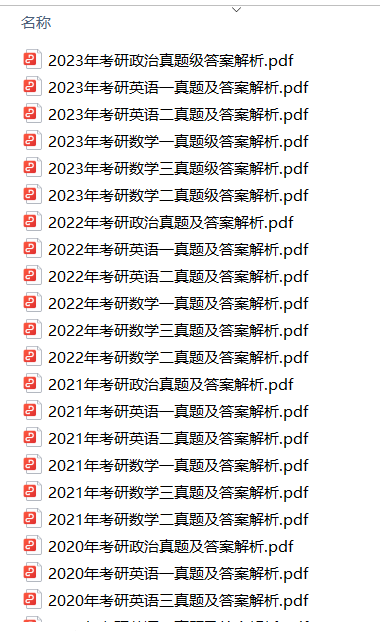
1.2013-2023年近10年政数英真题及解析PDF版(新东方)
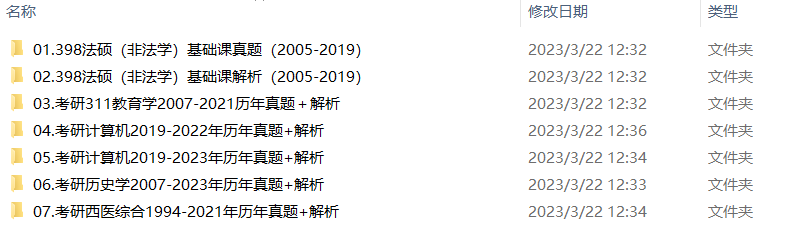
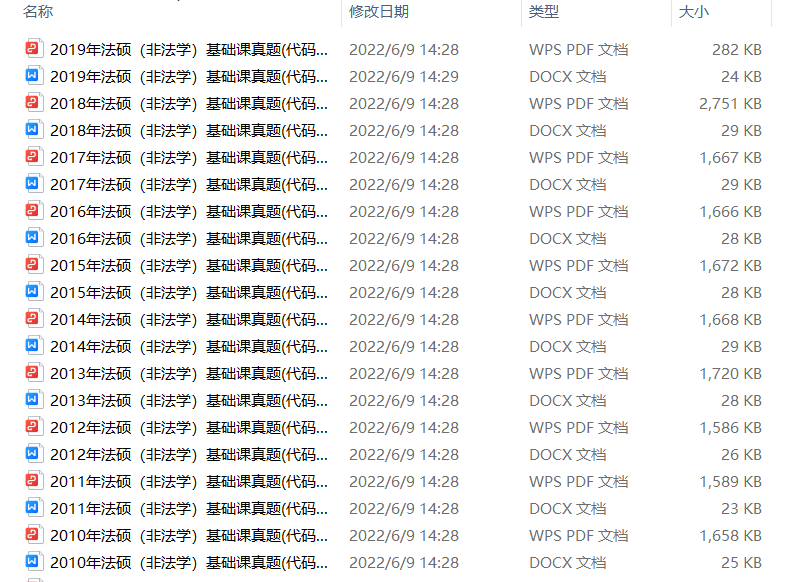
2.2013-2023年专业课考试历年真题及解析PDF版
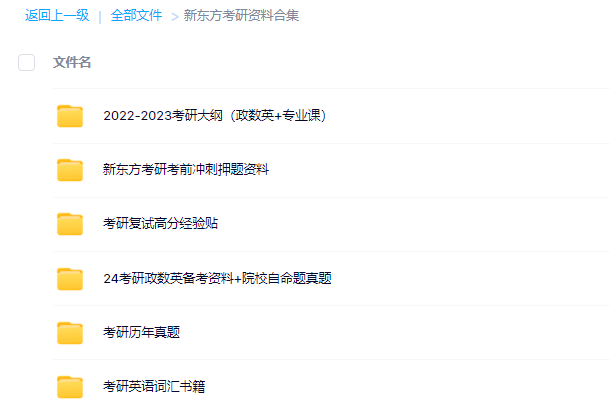
3.24考研复习备考资料大合集:大纲+备考资料+词汇书+考前押题+自命题
资料介绍:
1.2013-2023年近10年政数英真题及解析PDF版(新东方)
 、
、
2.2013-2023年专业课考试历年真题及解析PDF版
3.24考研复习备考资料大合集
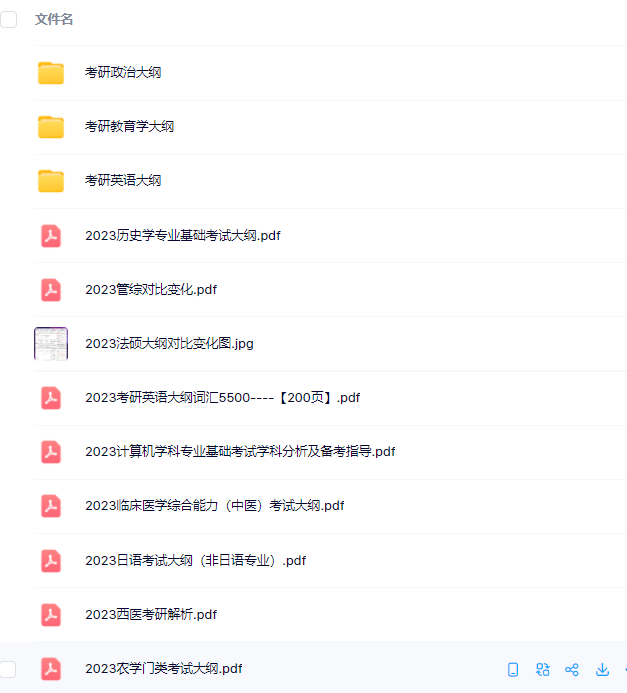
3.24考研复习备考资料:考研大纲
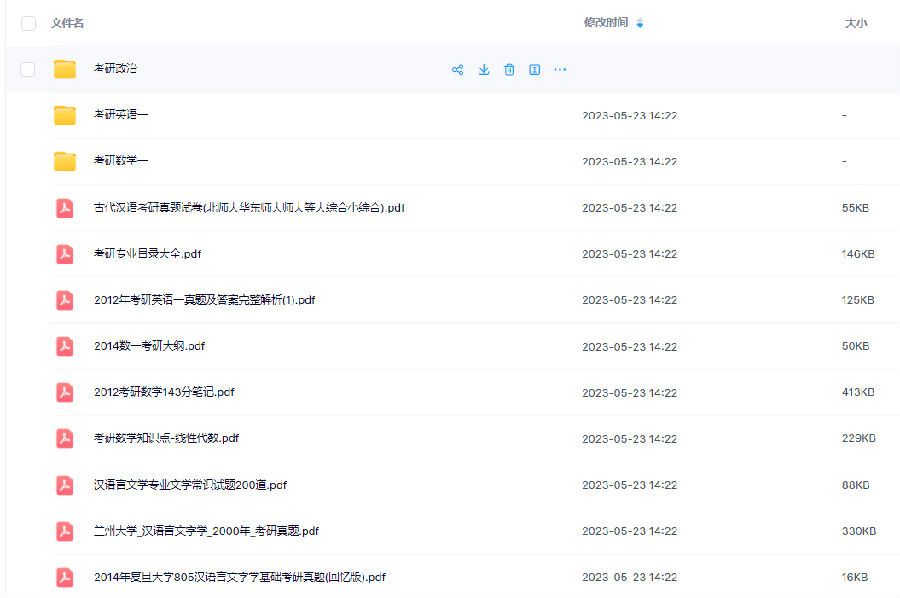
3.24考研复习备考资料:政数英备考资料+自命题真题
------------------
考研备考过程中,尤其是专业课部分,参考往年的考试真题,对于我们的复习有更好的帮助。北京大学考研真题资料都有哪些?小编为大家进行了汇总。
北京大学考研真题资料-公共课
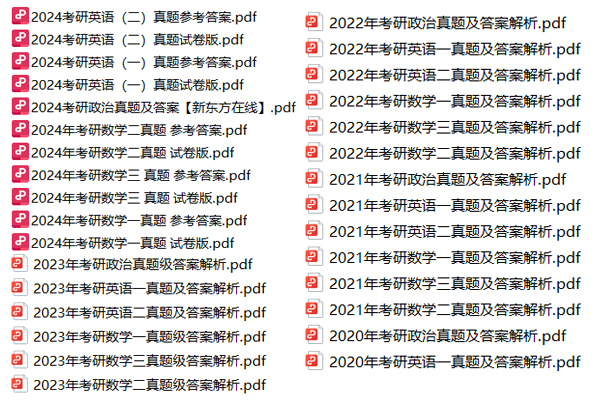
北京大学考研真题资料-专业课
以上就是关于“北京大学考研真题资料下载(历年汇总)”的整理,更多考研资料下载,请关注微信获取下载地址。
2024考研公共课必背知识点汇总
发布时间:2023-01-03扫码添加【考研班主任】
即可领取资料包
2013-2023考研历年真题汇总
发布时间:2023-01-03扫码添加【考研班主任】
即可领取资料包
考研英语大纲词汇(PDF可打印)
发布时间:2023-01-03扫码添加【考研班主任】
即可领取资料包
2024考研专业课知识点总结
发布时间:2023-01-03扫码添加【考研班主任】
即可领取资料包
2023考研政治 内部押题 PDF
发布时间:2022-11-16扫码添加【考研班主任】
即可领取资料包
徐涛:23考研预测六套卷
发布时间:2022-11-16扫码添加【考研班主任】
即可领取资料包
考研政数英冲刺资料最新整理
发布时间:2022-11-16扫码添加【考研班主任】
即可领取资料包
23考研答题卡模板打印版
发布时间:2022-11-16扫码添加【考研班主任】
即可领取资料包
2023考研大纲词汇5500PDF电子版
发布时间:2022-07-28扫码添加【考研班主任】
即可领取资料包
考研历年真题(公共课+专业课)
发布时间:2022-07-28扫码添加【考研班主任】
即可领取资料包
考研英语阅读100篇附解析及答案
发布时间:2022-01-07扫码添加【考研班主任】
即可领取资料包
新东方考研学霸笔记整理(打印版)
发布时间:2022-01-07扫码添加【考研班主任】
即可领取资料包
2001-2021年考研英语真题答案(可打印版)
发布时间:2022-01-07扫码添加【考研班主任】
即可领取资料包
考研英语词汇5500(完整版下载)
发布时间:2022-01-07扫码添加【考研班主任】
即可领取资料包
2022考研政审表模板精选10套
发布时间:2022-01-07扫码添加【考研班主任】
即可领取资料包
历年考研真题及答案 下载
发布时间:2021-12-09扫码添加【考研班主任】
即可领取资料包
考研政审表模板汇总
发布时间:2020-06-17扫码添加【考研班主任】
即可领取资料包
近5年考研英语真题汇总
发布时间:2020-06-17扫码添加【考研班主任】
即可领取资料包
考研英语大纲词汇5500
发布时间:2020-06-17扫码添加【考研班主任】
即可领取资料包
2022考研12大学科专业排名汇总
发布时间:2019-11-21扫码添加【考研班主任】
即可领取资料包
2023考研政治复习备考资料【珍藏版】
发布时间:2019-11-21扫码添加【考研班主任】
即可领取资料包
考研英语万能模板+必备词汇+范文
发布时间:2019-11-21扫码添加【考研班主任】
即可领取资料包
考研数学一、二、三历年真题整理
发布时间:2019-11-21扫码添加【考研班主任】
即可领取资料包

添加班主任领资料
添加考研班主任
免费领取考研历年真题等复习干货资料

 推荐阅读
推荐阅读
真题是非常重要的学习资料,它能更好地帮助我们巩固所学的知识,大家在备考时候要多做一些真题,这样对真题高频考点有所了解,更有目的
来源 : 网络 2025-04-28 07:35:00 关键字 : 考研真题
真题是非常重要的学习资料,它能更好地帮助我们巩固所学的知识,大家在备考时候要多做一些真题,这样对真题高频考点有所了解,更有目的
来源 : 网络 2025-04-28 07:35:00 关键字 : 考研真题
真题是非常重要的学习资料,它能更好地帮助我们巩固所学的知识,大家在备考时候要多做一些真题,这样对真题高频考点有所了解,更有目的
来源 : 网络 2025-04-28 07:35:00 关键字 : 考研真题
真题是非常重要的学习资料,它能更好地帮助我们巩固所学的知识,大家在备考时候要多做一些真题,这样对真题高频考点有所了解,更有目的
来源 : 网络 2025-04-27 07:35:00 关键字 : 考研真题
真题是非常重要的学习资料,它能更好地帮助我们巩固所学的知识,大家在备考时候要多做一些真题,这样对真题高频考点有所了解,更有目的
来源 : 网络 2025-04-27 07:35:00 关键字 : 考研真题
资料下载
扫码添加【考研班主任】
即可领取资料包
扫码添加【考研班主任】
即可领取资料包
扫码添加【考研班主任】
即可领取资料包
扫码添加【考研班主任】
即可领取资料包
扫码添加【考研班主任】
即可领取资料包
扫码添加【考研班主任】
即可领取资料包
新东方在线考研资料合集
下载方式:微信扫码,获取网盘链接
目录:
1.2013-2023年近10年政数英真题及解析PDF版(新东方)
2.2013-2023年专业课考试历年真题及解析PDF版
3.24考研复习备考资料大合集:大纲+备考资料+词汇书+考前押题+自命题
资料介绍:
1.2013-2023年近10年政数英真题及解析PDF版(新东方)
、
2.2013-2023年专业课考试历年真题及解析PDF版
3.24考研复习备考资料大合集
3.24考研复习备考资料:考研大纲
3.24考研复习备考资料:政数英备考资料+自命题真题
------------------
考研备考过程中,尤其是专业课部分,参考往年的考试真题,对于我们的复习有更好的帮助。北京大学考研真题资料都有哪些?小编为大家进行了汇总。
北京大学考研真题资料-公共课
北京大学考研真题资料-专业课
以上就是关于“北京大学考研真题资料下载(历年汇总)”的整理,更多考研资料下载,请关注微信获取下载地址。
扫码添加【考研班主任】
即可领取资料包
扫码添加【考研班主任】
即可领取资料包
扫码添加【考研班主任】
即可领取资料包
扫码添加【考研班主任】
即可领取资料包
扫码添加【考研班主任】
即可领取资料包
扫码添加【考研班主任】
即可领取资料包
扫码添加【考研班主任】
即可领取资料包
扫码添加【考研班主任】
即可领取资料包
扫码添加【考研班主任】
即可领取资料包
扫码添加【考研班主任】
即可领取资料包
扫码添加【考研班主任】
即可领取资料包
扫码添加【考研班主任】
即可领取资料包
扫码添加【考研班主任】
即可领取资料包
扫码添加【考研班主任】
即可领取资料包
扫码添加【考研班主任】
即可领取资料包
扫码添加【考研班主任】
即可领取资料包
扫码添加【考研班主任】
即可领取资料包
扫码添加【考研班主任】
即可领取资料包
扫码添加【考研班主任】
即可领取资料包
扫码添加【考研班主任】
即可领取资料包
扫码添加【考研班主任】
即可领取资料包
扫码添加【考研班主任】
即可领取资料包
扫码添加【考研班主任】
即可领取资料包
 阅读排行榜
阅读排行榜
 相关内容
相关内容


 公开课
公开课 网友热搜
网友热搜