特惠-26考研冲刺
特惠-27考研课
双证-在职硕士
免联考-同等学力
复试分数线
26复试全面指导
模拟复试面试
26考研-全套真题
26考研估分
保研-路线图
27考研-智能择校
27考研-英语测评
27考研-新大纲对比
热门-计算机择校

扫码加入训练营
牢记核心词
学习得礼盒
14. New nature writing ____.
A. is a kind of literary critical approach
B. is regarded as a new type of writing
C. is not new at all since its relevance to nature writing
D. stems from people’s desire to recall the past
15. From the passage we know that ___.
A. nature is omnipotent.
B. nature is full of mysteries which makes it powerful.
C. nature can heal, both physically and psychologically.
D. nature has healing power and hospitals should be built within nature.
Passage D
Identity, as academics define it, falls into two broad categories: “achieved” identity derived from personal
effort, and “ascribed” identity based on innate characteristics.
Everyone has both, but people tend to be most attached to their “best” identity — the one that offers the
most social status or privileges. Successful professionals, for example, often define their identities primarily
through their careers. For generations, working-class whites were doubly blessed: They enjoyed privileged
status based on race, as well as the fruits of broad economic growth.
White people’s officially privileged status waned over the latter half of the 20th century with the demise of
discriminatory practices in, say, university admissions. But rising wages, an expanding social safety net and
new educational opportunities helped offset that. Most white adults were wealthier and more successful than
their parents, and confident that their children would do better still. That feeling of success may have provided a
sort of identity in itself.
But as Western manufacturing and industry have declined, taking many working-class towns with them,
parents and grandparents have found that the opportunities they once had are unavailable to the next generation.
That creates an identity vacuum to be filled.
Arlie Russell Hochschild describes a feeling of lost opportunity. Her subjects felt like they were waiting in
a long line to reach the top of a hill where the American dream was waiting for them. But the line’s uphill
progress had slowed, even stopped. And immigrants, black people and other “outsiders” seemed to be cutting
the line.
For many Western whites, opportunities for achieved identity — the top of the hill — seem unattainable.
So their ascribed identity — their whiteness — feels more important than ever.
The formal rejection of racial discrimination in those societies has, by extension, constructed a new,
broader national identity. The United States has a black president.
But that broadening can, to some, feel like a painful loss, articulated in the demand voiced over and over at
Trump rallies.
The loss of that comforting hum has accelerated a phenomenon that Robin DiAngelo, calls “white
fragility” — the stress white people feel when they confront the knowledge that they are neither special nor the
default; that whiteness is just a race like any other. Fragility leads to feelings of insecurity, defensiveness, even
threat. And it can trigger a backlash against those who are perceived as outsiders.
Even some conservative analysts who support a multiethnic “melting pot” national identity worry that
unassimilated immigrants could threaten core national values and cultural cohesion.
The struggle for white identity is not just a political problem; it is about the “deep story” of feeling stuck
while others move forward.
There will not likely be a return to the whiteness of social dominance and exclusive national identity.
Immigration cannot be halted without damaging Western nations’ economies; immigrants who have already
arrived cannot be expelled en masse without causing social and moral damage. And the other groups who seem
to be “cutting in line” are in fact getting a chance at progress that was long denied them.
Western whites have a place within their nations’ new, broader national identities. But unless they accept
it, the crisis of whiteness seems likely to continue.
16. Which identity would most people prefer to accept in society?
A. “achieved” identity B. “ascribed” identity
C. “best” identity D. “feeling of success” identity
17. From the passage, we know that some white people in America ___.
A. are not as competitive and efficient as the black.
B. are highly hostile to the “outsiders” in American society.
C. have lost their privilege in multiple aspects in the past twenty years.
D. are struggling for their traditional “ascribed” identity.
18. What is NOT many Western whites’ understanding of American dream?
A. It loses its significance in the new age.
B. It is no longer available since they are topped down from the privileged status.
C. It is hard to realize since immigrants are cutting their way.
D. It means that whites should have the priority to lead a happy life.
19. What has led to the identity vacuum of the white people?
A. equal access to university admissions
B. the recession of industry and manufacture
C. the decline of white people’s officially privileged status
D. the process of globalization
20. Which of the following statement about American identity is NOT correct?
A. Obama’s victory as president indicates that American identity has become broader.
B. Trump’s victory as president signifies the crisis of whiteness.
C. Dismissing the immigrants is not a wise way to solve the present identity problem.
D. The core national values and cultural cohesion is threatened by the broader American identity.
以上就是为考研人分享的:南京航空航天大学2018年620基础英语初试考研真题,希望能为大家考研复习带来帮助,预祝大家考研成功。

【专业课】资料这里有↑↑↑
本文关键字: 考研真题 南京航空航天大学考研真题

 资料下载
资料下载
2014年-2025年考研历年真题汇总
发布时间:2024-04-25扫码添加【考研班主任】
即可领取资料包
考研大纲PDF电子版下载-历年(附解析)
发布时间:2024-04-25扫码添加【考研班主任】
即可领取资料包
2026年考研政数英备考资料zip压缩包
发布时间:2024-04-25扫码添加【考研班主任】
即可领取资料包
考研英语大纲词汇5500打印版(基础必备)
发布时间:2024-04-25扫码添加【考研班主任】
即可领取资料包
新东方在线考试模拟题【12套】
发布时间:2024-04-25扫码添加【考研班主任】
即可领取资料包
2026年考研专业课知识点总结
发布时间:2024-04-25扫码添加【考研班主任】
即可领取资料包
新东方考研资料下载地址
发布时间:2023-05-17新东方在线考研资料合集
下载方式:微信扫码,获取网盘链接

目录:
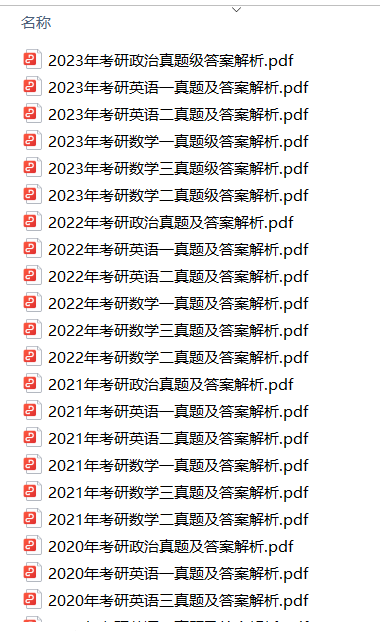
1.2013-2023年近10年政数英真题及解析PDF版(新东方)
2.2013-2023年专业课考试历年真题及解析PDF版
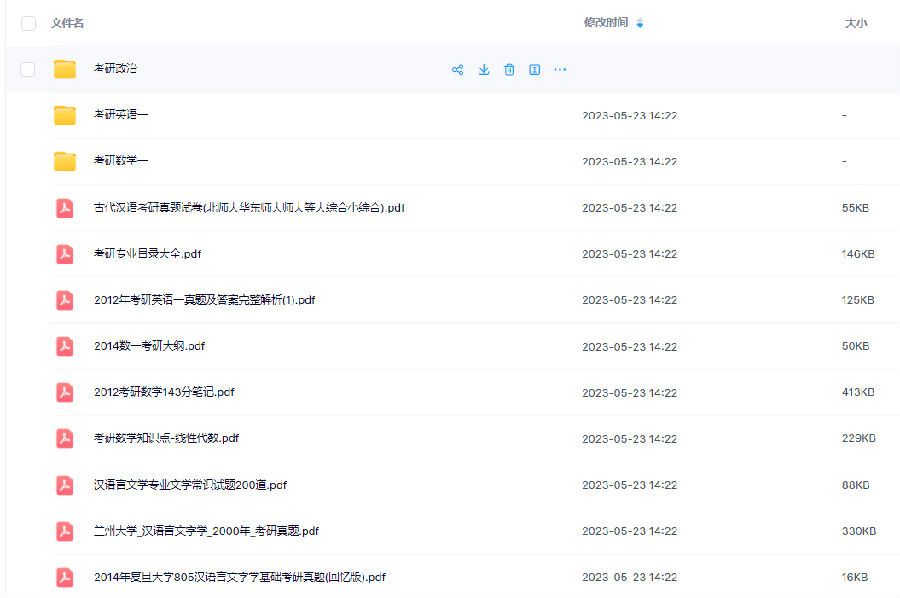
3.24考研复习备考资料大合集:大纲+备考资料+词汇书+考前押题+自命题
资料介绍:
1.2013-2023年近10年政数英真题及解析PDF版(新东方)
 、
、
2.2013-2023年专业课考试历年真题及解析PDF版


3.24考研复习备考资料大合集

3.24考研复习备考资料:考研大纲

3.24考研复习备考资料:政数英备考资料+自命题真题
------------------
考研备考过程中,尤其是专业课部分,参考往年的考试真题,对于我们的复习有更好的帮助。北京大学考研真题资料都有哪些?小编为大家进行了汇总。

北京大学考研真题资料-公共课
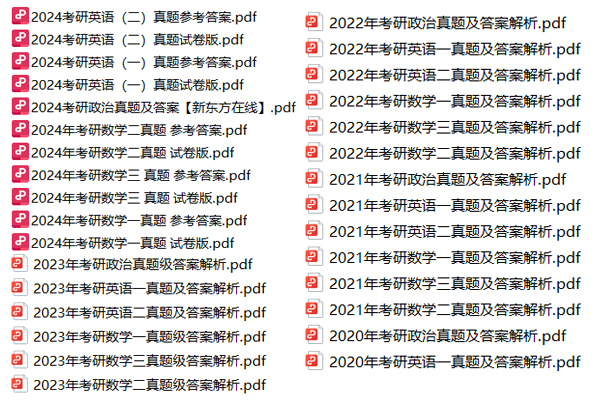
北京大学考研真题资料-专业课
以上就是关于“北京大学考研真题资料下载(历年汇总)”的整理,更多考研资料下载,请关注微信获取下载地址。
2024考研公共课必背知识点汇总
发布时间:2023-01-03扫码添加【考研班主任】
即可领取资料包
2013-2023考研历年真题汇总
发布时间:2023-01-03扫码添加【考研班主任】
即可领取资料包
考研英语大纲词汇(PDF可打印)
发布时间:2023-01-03扫码添加【考研班主任】
即可领取资料包
2024考研专业课知识点总结
发布时间:2023-01-03扫码添加【考研班主任】
即可领取资料包
2023考研政治 内部押题 PDF
发布时间:2022-11-16扫码添加【考研班主任】
即可领取资料包
徐涛:23考研预测六套卷
发布时间:2022-11-16扫码添加【考研班主任】
即可领取资料包
考研政数英冲刺资料最新整理
发布时间:2022-11-16扫码添加【考研班主任】
即可领取资料包
23考研答题卡模板打印版
发布时间:2022-11-16扫码添加【考研班主任】
即可领取资料包
2023考研大纲词汇5500PDF电子版
发布时间:2022-07-28扫码添加【考研班主任】
即可领取资料包
考研历年真题(公共课+专业课)
发布时间:2022-07-28扫码添加【考研班主任】
即可领取资料包
考研英语阅读100篇附解析及答案
发布时间:2022-01-07扫码添加【考研班主任】
即可领取资料包
新东方考研学霸笔记整理(打印版)
发布时间:2022-01-07扫码添加【考研班主任】
即可领取资料包
2001-2021年考研英语真题答案(可打印版)
发布时间:2022-01-07扫码添加【考研班主任】
即可领取资料包
考研英语词汇5500(完整版下载)
发布时间:2022-01-07扫码添加【考研班主任】
即可领取资料包
2022考研政审表模板精选10套
发布时间:2022-01-07扫码添加【考研班主任】
即可领取资料包
历年考研真题及答案 下载
发布时间:2021-12-09扫码添加【考研班主任】
即可领取资料包
考研政审表模板汇总
发布时间:2020-06-17扫码添加【考研班主任】
即可领取资料包
近5年考研英语真题汇总
发布时间:2020-06-17扫码添加【考研班主任】
即可领取资料包
考研英语大纲词汇5500
发布时间:2020-06-17扫码添加【考研班主任】
即可领取资料包
2022考研12大学科专业排名汇总
发布时间:2019-11-21扫码添加【考研班主任】
即可领取资料包
2023考研政治复习备考资料【珍藏版】
发布时间:2019-11-21扫码添加【考研班主任】
即可领取资料包
考研英语万能模板+必备词汇+范文
发布时间:2019-11-21扫码添加【考研班主任】
即可领取资料包
考研数学一、二、三历年真题整理
发布时间:2019-11-21扫码添加【考研班主任】
即可领取资料包

添加班主任领资料
添加考研班主任
免费领取考研历年真题等复习干货资料

 推荐阅读
推荐阅读
真题是非常重要的学习资料,它能更好地帮助我们巩固所学的知识,大家在备考时候要多做一些真题,这样对真题高频考点有所了解,更有目的
来源 : 网络 2025-04-28 07:35:00 关键字 : 考研真题
真题是非常重要的学习资料,它能更好地帮助我们巩固所学的知识,大家在备考时候要多做一些真题,这样对真题高频考点有所了解,更有目的
来源 : 网络 2025-04-28 07:35:00 关键字 : 考研真题
真题是非常重要的学习资料,它能更好地帮助我们巩固所学的知识,大家在备考时候要多做一些真题,这样对真题高频考点有所了解,更有目的
来源 : 网络 2025-04-28 07:35:00 关键字 : 考研真题
真题是非常重要的学习资料,它能更好地帮助我们巩固所学的知识,大家在备考时候要多做一些真题,这样对真题高频考点有所了解,更有目的
来源 : 网络 2025-04-27 07:35:00 关键字 : 考研真题
真题是非常重要的学习资料,它能更好地帮助我们巩固所学的知识,大家在备考时候要多做一些真题,这样对真题高频考点有所了解,更有目的
来源 : 网络 2025-04-27 07:35:00 关键字 : 考研真题
资料下载
扫码添加【考研班主任】
即可领取资料包
扫码添加【考研班主任】
即可领取资料包
扫码添加【考研班主任】
即可领取资料包
扫码添加【考研班主任】
即可领取资料包
扫码添加【考研班主任】
即可领取资料包
扫码添加【考研班主任】
即可领取资料包
新东方在线考研资料合集
下载方式:微信扫码,获取网盘链接
目录:
1.2013-2023年近10年政数英真题及解析PDF版(新东方)
2.2013-2023年专业课考试历年真题及解析PDF版
3.24考研复习备考资料大合集:大纲+备考资料+词汇书+考前押题+自命题
资料介绍:
1.2013-2023年近10年政数英真题及解析PDF版(新东方)
、
2.2013-2023年专业课考试历年真题及解析PDF版
3.24考研复习备考资料大合集
3.24考研复习备考资料:考研大纲
3.24考研复习备考资料:政数英备考资料+自命题真题
------------------
考研备考过程中,尤其是专业课部分,参考往年的考试真题,对于我们的复习有更好的帮助。北京大学考研真题资料都有哪些?小编为大家进行了汇总。
北京大学考研真题资料-公共课
北京大学考研真题资料-专业课
以上就是关于“北京大学考研真题资料下载(历年汇总)”的整理,更多考研资料下载,请关注微信获取下载地址。
扫码添加【考研班主任】
即可领取资料包
扫码添加【考研班主任】
即可领取资料包
扫码添加【考研班主任】
即可领取资料包
扫码添加【考研班主任】
即可领取资料包
扫码添加【考研班主任】
即可领取资料包
扫码添加【考研班主任】
即可领取资料包
扫码添加【考研班主任】
即可领取资料包
扫码添加【考研班主任】
即可领取资料包
扫码添加【考研班主任】
即可领取资料包
扫码添加【考研班主任】
即可领取资料包
扫码添加【考研班主任】
即可领取资料包
扫码添加【考研班主任】
即可领取资料包
扫码添加【考研班主任】
即可领取资料包
扫码添加【考研班主任】
即可领取资料包
扫码添加【考研班主任】
即可领取资料包
扫码添加【考研班主任】
即可领取资料包
扫码添加【考研班主任】
即可领取资料包
扫码添加【考研班主任】
即可领取资料包
扫码添加【考研班主任】
即可领取资料包
扫码添加【考研班主任】
即可领取资料包
扫码添加【考研班主任】
即可领取资料包
扫码添加【考研班主任】
即可领取资料包
扫码添加【考研班主任】
即可领取资料包
 阅读排行榜
阅读排行榜
 相关内容
相关内容



 公开课
公开课 网友热搜
网友热搜